
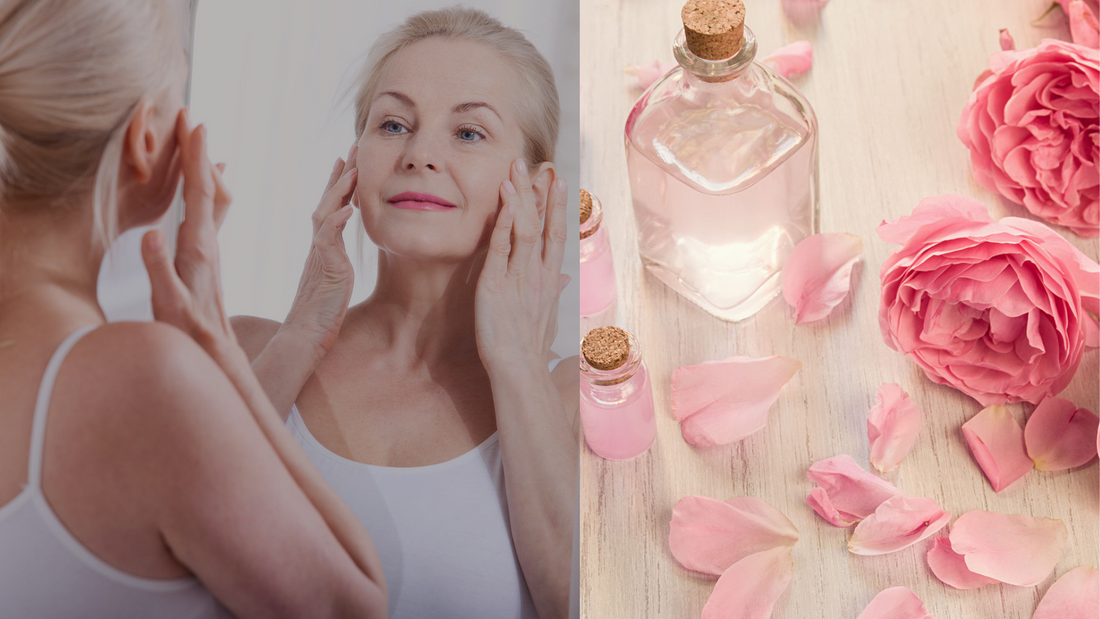
Discover Rose Water Benefits For Skin: 6 Daily Uses!
Perhaps you've heard of rose water before, but you might not know exactly how you could use it in your day-to-day life. It sounds strange, but this unique product has a ton of benefits for your skin. Rose water is mostly used in beauty products to add fragrance and reduce redness from acne or other skin irritations. But what does it do for your skin, exactly? Let's find out!
What is Rose Water?
Rose water is a toner or a type of water distillate made from fresh rose petals. It is one of the most common ingredients in face and body care products. It is also used to flavour foods and beverages.
Although rose water is primarily made from roses, it doesn't actually contain much essential oil. In fact, rose water contains very little oil, with only a small amount of vitamin C, minerals, and antioxidants. Many people confuse rose water with rose oil. While both are derived from roses, the difference between the two is that the rose oil is a highly concentrated product that has many more benefits and uses than rose water.
How Does it Benefit Skin?
There are many reasons why using rose water is beneficial for your skin.
Let's take a look at a few of them!
- It has anti-aging properties that can help to reduce the appearance of wrinkles and fine lines.
- It has antimicrobial properties that can kill bacteria on the surface of the skin.
- It has anti-inflammatory properties that can help to soothe the skin from any irritation or redness.
- It has anti-oxidant properties that can help to protect the skin from harmful UV rays. Additionally, rose water is great for all skin types and can be used on both the face and the body. It is safe for both men and women, and it can be used by all ages.

How to Use Rose Water for Skin Care
As we mentioned above, rose water can be used on the body and on the face. It's best to use it as an after-shower toner. Simply spritz rose water onto your face after you've showered and while your face is still wet.
This will help to lock in the moisture from your shower, while also giving your skin a slight lift. You can also use rose water as a nightly moisturizer. We put it in our Gemma Crema and Very Toney Anti-Aging serums. They are vegan-friendly, cruelty-free and made in the USA. Our blissani anti-aging serums combine 14 botanical extracts including Rose Water to reduce fine lines and wrinkles.
Just before you go to bed, you can apply a small amount of rose water or blissani Naturals serum to your face, neck, and hands to lock in all of the moisture your skin has received throughout the day. You can also use rose water to soothe irritated skin. If you have razor burn or any other type of irritation from shaving, you can apply rose water to calm the irritated skin.
Why You Should Use Rose Water for Skin Care
There are many benefits of using rose water for your skin care routine. We've mentioned a few of them above. For something that is so inexpensive, it has many great benefits for your skin. You can also use rose water to make your own natural fragrance. Simply add a few drops of rose water to a diffuser or to a small bowl of water and let it marinate throughout the day.
Where to Buy Rose Water?
You can purchase rose water in any drugstore or beauty supply store. It is also available online if you prefer to order it. You can find it in a variety of different sizes and scents, allowing you to choose the one that is best for you and your skin care needs.
You can find rose water in many different brands, so you're sure to find one that works for you and your budget. And when you use rose water in your daily skin care routine, you'll discover how amazing it is for your skin.
Final Words
Don't let the name fool you. Rose water isn't just for roses! In fact, it's a great way to add a natural scent to your home and can even be used to make your own beauty products. It can also be used to clean and care for your skin.
So, the next time you see rose water in the grocery store or at the beauty store, don't pass it up. Pick up a bottle and add this natural ingredient to your daily routine! Now that you know what rose water is and how it can benefit your skin, you'll want to add this to your daily skin care routine. This will help your skin stay hydrated, reduce the signs of aging, and keep your skin looking healthy and youthful!

Frequently Asked Questions
Common questions about this topic
Is rose water the same thing as rose oil, and can I use them interchangeably?
No, they're different products. Rose oil is highly concentrated with many more benefits and uses, while rose water is a water distillate made from rose petals that contains very little oil. They shouldn't be used interchangeably since rose oil is much more potent.
If rose water contains so little oil and minimal vitamin C, how does it actually benefit my skin?
While rose water is low in oil content, it still contains minerals and antioxidants that provide benefits like anti-aging properties and reducing redness from acne and skin irritations. The article explores six specific daily uses that demonstrate these benefits in action.
Can I use rose water if I have oily or acne-prone skin, or will it make things worse?
Rose water is actually beneficial for acne-prone skin since one of its primary uses is to reduce redness from acne and other skin irritations. Its low oil content makes it suitable for oily skin types as well.
Featured in This Article
Gemma Crema Anti-Aging Serum
Vegan · Cruelty-Free · Made in USA
Formulated with rose water — $32
Shop Now →Free shipping in the Continental USA · 30-day money-back guarantee
Rose Water as a Toner: What to Look For in a Formula
One of the most practical ways to work rose water into your daily routine is as a facial toner. A toner is applied after cleansing and before moisturizer, and its job is to prepare your skin to absorb everything that comes after it. Rose water fits this role naturally because of its mild pH-balancing properties and its ability to calm the skin without stripping it of natural oils.
When you're shopping for a rose water toner, it's worth paying attention to the ingredient list. The best formulas keep things simple — rose water should appear near the top of the list, ideally paired with other soothing botanicals rather than synthetic fragrances or harsh alcohols. Alcohol-based toners can dry out the skin over time, which is the opposite of what you want from a product designed to restore balance.
If you prefer a toner that does a little more heavy lifting, the blissani Naturals Clear Face Toner is worth considering. It's vegan, cruelty-free, and made in the USA, combining the gentle qualities of rose-based formulation with ingredients that target acne-prone and sensitive skin. It's a straightforward, no-fuss option that works well morning or evening after cleansing.
How Rose Water Compares to Other Natural Toning Ingredients
Rose water is not the only natural ingredient used in toners, and it's helpful to understand how it stacks up against a few common alternatives so you can make the best choice for your skin type.
Witch hazel is probably the most well-known natural toner ingredient. It has strong astringent properties, which makes it effective at tightening pores and controlling oil. However, witch hazel can be too drying for people with sensitive or dry skin, especially if the formula also contains alcohol. Rose water, by contrast, is much gentler and works for a wider range of skin types.
Apple cider vinegar is another popular option, often diluted with water and used as a DIY toner. It can help with uneven skin tone and has mild antimicrobial properties. That said, getting the dilution right matters — too strong, and it can irritate or even damage the skin barrier. Rose water requires no mixing and carries far less risk of irritation, making it a more beginner-friendly choice.
Green tea extract is a third alternative that offers antioxidant benefits similar to rose water. Both are good at fighting free radical damage, though green tea tends to have a slightly stronger antioxidant profile. Rose water, however, edges ahead when it comes to soothing redness and adding a subtle, pleasant scent without the need for synthetic fragrance.
The takeaway here is that rose water occupies a sweet spot — it's gentle enough for daily use, effective enough to make a real difference, and versatile enough to suit most skin types without requiring much guesswork.
Building a Simple Rose Water Routine from Morning to Night
If you're not sure where to fit rose water into an existing routine, a simple structure can help. In the morning, start with a gentle cleanser, then apply a rose water toner to refresh and balance your skin before layering on any serums or moisturizers. This sets a clean, calm base for the rest of your products and helps them absorb more evenly.
At night, the routine can look slightly different. After cleansing, apply your rose water toner, then follow with an anti-aging serum like Gemma Crema or Very Toney to let the botanical ingredients — including rose water — work overnight when your skin is in repair mode. The anti-inflammatory properties of rose water can also help reduce any redness or irritation that built up during the day, so you wake up with calmer, more even-looking skin.
You don't need a complicated ten-step routine to see results. A consistent two-step approach — cleanse, then tone — repeated daily, is enough to notice a real difference in how your skin looks and feels over time. Adding a serum when your skin needs extra support makes the routine easy to adjust without starting from scratch.
Rose water is one of those rare ingredients that genuinely earns its place in a daily routine without asking much in return. Start with a clean face, apply a quality toner, and follow with a moisturizer or serum that lists rose water among its key ingredients. Stick with it for a few weeks and your skin will tell you the rest.