
Unlocking The Benefits Of Aloe Vera For Glowing Skin
Share
What Makes Aloe Vera So Good for Your Skin?
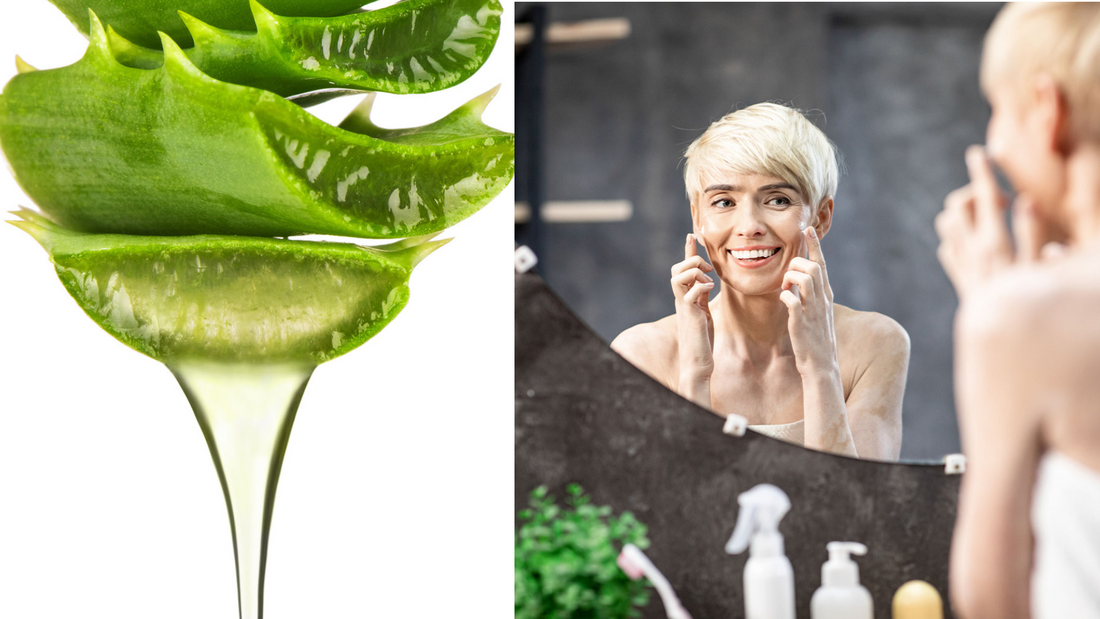
Aloe vera is a succulent — closely related to cacti — but unlike most succulents that thrive in dry desert conditions, it actually prefers humid, tropical climates. What makes it remarkable for skin care is what's inside its thick, fleshy leaves: a clear, gel-like substance packed with over 75 active compounds, including vitamins, minerals, enzymes, amino acids, and polysaccharides. People have been applying this gel topically for thousands of years, and modern dermatology has largely confirmed what ancient healers already knew. This isn't folk medicine — it's one of the most studied botanicals in skin care science.
The Active Compounds That Actually Do the Work
When you see aloe vera listed on a skin care label, the benefits come from a specific set of compounds working together. Here's what matters most:
Vitamins C and E are the headliners. Vitamin C is a direct precursor to collagen synthesis — your skin needs it to build and maintain the structural proteins that keep it firm. Vitamin E is a fat-soluble antioxidant that protects cell membranes from oxidative damage. Together, they help even skin tone, reduce the appearance of dark spots, and slow visible aging.
Gibberellins and auxins are plant hormones found in aloe that have been shown to accelerate wound healing and reduce inflammation. This is why aloe has long been a go-to remedy for sunburn — it's not just cooling, it's actively helping damaged skin repair itself.
Acemannan, a polysaccharide found in aloe gel, helps retain moisture in the skin by forming a breathable barrier on the surface. It also has documented anti-inflammatory properties, making it particularly useful for sensitive or acne-prone skin.
Zinc is another standout mineral in aloe. Zinc regulates sebum production, supports skin barrier function, and has mild antibacterial properties — all of which are relevant if you're dealing with breakouts or oily skin.
B vitamins, including B12 and folic acid, support cell turnover and help maintain a healthy, even complexion over time.
How Aloe Hydrates Without Clogging Pores
Most heavy moisturizers work by trapping water in the skin using oils or waxes. Aloe takes a different approach. Its high water content — aloe gel is approximately 99% water by weight — combined with acemannan creates a lightweight, non-comedogenic layer on the skin. This means it adds moisture without blocking pores, which is a significant advantage for anyone with oily or combination skin.
The humectant properties of aloe also draw moisture from the air into the skin, keeping it hydrated throughout the day. This is different from an occlusive moisturizer, which simply seals in whatever moisture is already there. For people who find heavy creams too greasy or pore-clogging, aloe-based formulas tend to feel lighter and absorb quickly.
If you're building a simple, effective routine for oily or acne-prone skin, starting with a gentle cleanser that contains aloe makes a lot of sense. The blissani Clear Face Wash uses aloe vera as a key ingredient to cleanse without stripping the skin's natural moisture barrier — something harsh, sulfate-heavy cleansers often fail to do.
Aloe's Role in Fighting Free Radicals and Aging
Free radicals are unstable molecules that damage skin cells and break down collagen. They come from UV exposure, pollution, stress, and even normal metabolic processes. Over time, this oxidative stress is one of the primary drivers of visible aging — fine lines, loss of elasticity, uneven texture.
Aloe vera is rich in antioxidants, particularly vitamins C and E, beta-carotene, and various polyphenols. These compounds neutralize free radicals before they can cause damage to DNA and cell structures. A study published through the National Institutes of Health confirmed aloe's antioxidant capacity and its ability to support collagen production in the dermis when applied topically.
This doesn't mean aloe vera alone will erase wrinkles. But as part of a consistent skin care routine, it provides a meaningful layer of protection against the daily environmental stressors that accelerate aging. Think of it as maintenance — the kind that pays off over months and years, not overnight.
Is Aloe Vera Suitable for Sensitive Skin?
One of aloe's most practical qualities is its tolerance profile. Unlike many active ingredients — retinoids, alpha hydroxy acids, benzoyl peroxide — aloe is generally well-tolerated across skin types, including sensitive and reactive skin. Its anti-inflammatory compounds help calm redness, irritation, and the kind of low-grade inflammation that often underlies conditions like rosacea or eczema.
That said, a small percentage of people do react to aloe, particularly to a compound called aloin found in the outer leaf. High-quality skin care formulations use inner leaf aloe gel or processed extracts with aloin removed, which significantly reduces the risk of irritation. If you're trying aloe for the first time, a patch test on the inside of your wrist for 24 hours is always a smart move.
For most people, though, aloe is one of the safest botanical ingredients available — gentle enough for daily use, morning and night.
How to Get the Most Out of Aloe in Your Routine
Aloe works best when it's applied to clean skin, before heavier creams or oils. In a standard routine, that means after cleansing and toning, and before any serums or moisturizers. This allows the acemannan and vitamins to absorb directly into the skin rather than sitting on top of other products.
Consistency matters more than quantity here. Using an aloe-based product once in a while won't produce the hydration and antioxidant benefits the research supports. Daily use — even just twice a day as part of a wash-and-moisturize routine — is where you'll see a real difference in skin texture and tone over four to eight weeks.
If anti-aging is your primary concern, look for products that pair aloe with vitamin C or peptides, since these combinations address collagen production from multiple angles simultaneously.
The short version: Aloe vera earns its reputation. Its combination of deep hydration, antioxidant protection, anti-inflammatory compounds, and compatibility with sensitive skin makes it one of the most versatile and well-supported ingredients in natural skin care. Start with a solid aloe-based cleanser, stay consistent, and give your skin six to eight weeks to show you what it can do.
Frequently Asked Questions
Common questions about this topic
Can I use aloe vera gel straight from the plant on my face, or do I need to buy a processed product?
While fresh aloe vera gel from the plant is natural, it may contain compounds that can irritate sensitive skin. Most dermatologists recommend using aloe vera products that have been processed and tested for safety, as they've been purified to remove potentially irritating latex while preserving the beneficial active compounds like vitamins C and E.
How long does it typically take to see results from using aloe vera for glowing skin?
Since aloe vera works on collagen synthesis and cell protection through its vitamin C and E content, you should expect gradual results over 4-6 weeks of consistent use. This isn't an overnight fix — the active compounds need time to build structural proteins and reduce oxidative damage in your skin.
If aloe vera is so beneficial, why isn't it the main ingredient in more expensive skincare lines?
Aloe vera's 75+ active compounds work best as part of a formula rather than as a standalone solution, and the cost of stabilizing these compounds for long-term shelf life can be significant. High-end brands often combine aloe vera with complementary ingredients to enhance results, which is why you'll see it listed alongside other actives rather than as the star ingredient.