
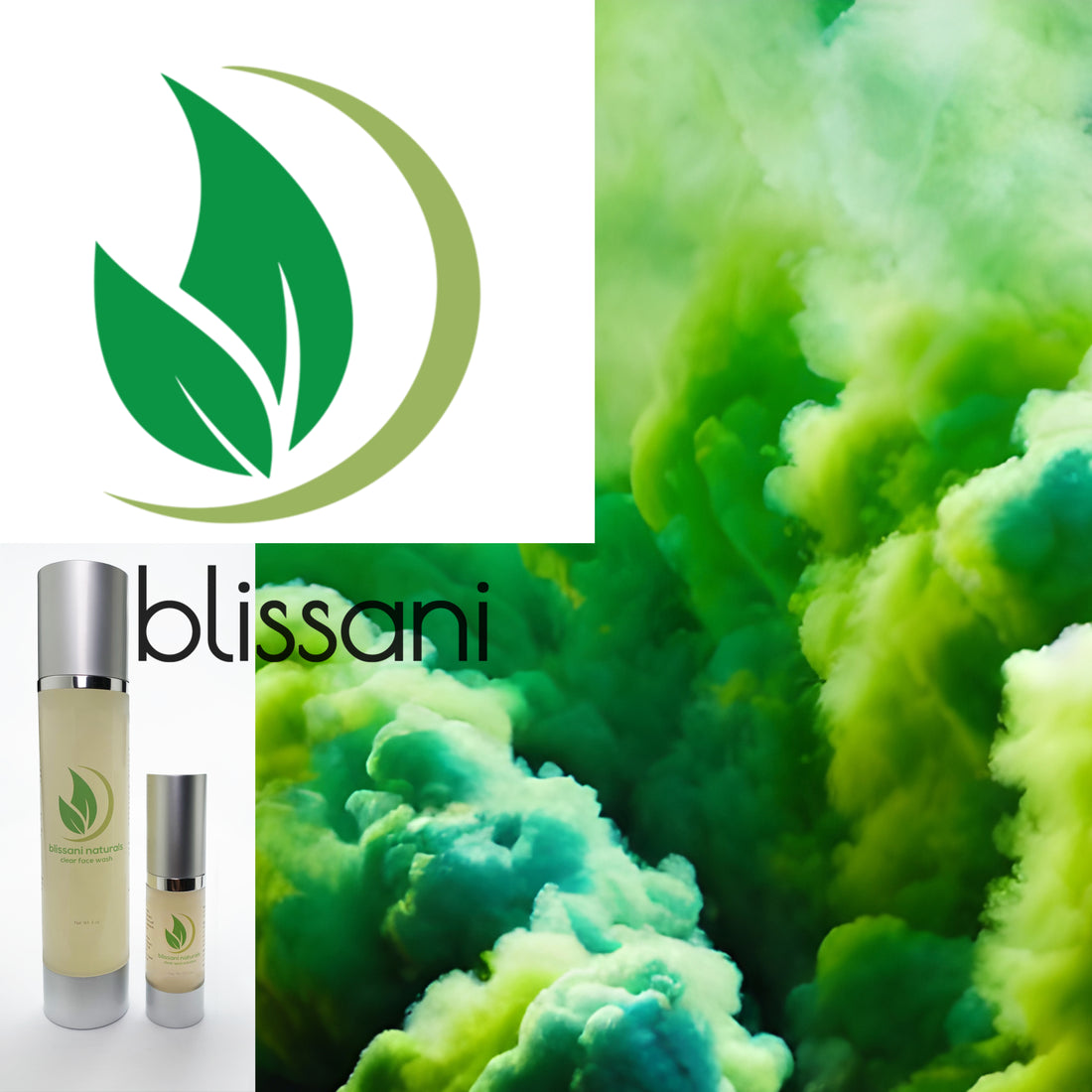
blissani and Non-Toxic Skin Care
Share
What "Non-Toxic Skincare" Actually Means
The term "non-toxic skincare" gets thrown around a lot, but it's worth being specific about what it means in practice. Conventional skincare products frequently contain parabens (like methylparaben and propylparaben), which are synthetic preservatives linked to endocrine disruption. They often include phthalates, used to help fragrance last longer, which have been associated with hormonal interference in multiple studies. Sulfates like sodium lauryl sulfate (SLS) strip the skin's natural lipid barrier, leading to dryness and irritation — especially problematic for people with sensitive or acne-prone skin.
Non-toxic skincare avoids these ingredients by design, not as an afterthought. At blissani, every formulation starts with that constraint: no harmful synthetics, no artificial fragrances, no questionable preservatives. The products are vegan, cruelty-free, and made in the US, which means the supply chain and manufacturing standards are held to a higher bar than many imported alternatives.
Why Synthetic Ingredients Can Cause Long-Term Skin Problems
Skin damage from synthetic ingredients isn't always immediate, which is part of what makes it tricky. Some synthetic retinoids, for example, increase photosensitivity — meaning regular use without rigorous sun protection can accelerate the exact aging you're trying to prevent. Artificial fragrance blends, which can contain dozens of undisclosed chemicals under a single "fragrance" label, are one of the leading causes of contact dermatitis and allergic reactions in skincare users.
Microplastics — used in some exfoliants and as film-forming agents — don't just raise environmental concerns. There's growing research into their absorption through skin and their persistence in tissue. None of this means every synthetic ingredient is dangerous, but it does mean that the default assumption that "it's approved, so it's fine" deserves some skepticism. Natural formulations that rely on plant-derived actives sidestep many of these risks entirely.
What Natural Ingredients Actually Do for Your Skin
Natural skincare works because plants have evolved complex chemistry — antioxidants, fatty acids, polyphenols — that happens to interact well with human skin biology. Here's how that plays out in real formulations:
Antioxidants like vitamin C (ascorbic acid) neutralize free radicals produced by UV exposure and pollution. Free radical damage is a primary driver of collagen breakdown and uneven pigmentation. Vitamin C also inhibits melanin synthesis, which helps brighten skin tone over time with consistent use.
Hyaluronic acid, while technically synthesized for skincare use, is a molecule naturally found in skin tissue. It holds up to 1,000 times its weight in water, making it one of the most effective humectants available. Products that include it help maintain skin hydration throughout the day rather than just providing a temporary surface-level effect.
Plant-based anti-inflammatory agents — like green tea extract (containing EGCG) and aloe vera — reduce redness and support the skin's repair processes without the side effects associated with synthetic anti-inflammatories.
blissani's product line, which you can browse at blissani.com/collections/all, is built around these kinds of active natural ingredients, targeting specific concerns like acne, aging, and dryness with formulas that don't rely on synthetic shortcuts.
Natural Skincare and Acne: A More Sensible Approach
Conventional acne treatments often take a scorched-earth approach — harsh sulfates, high-concentration benzoyl peroxide, or alcohol-heavy toners that strip everything from the skin's surface, including the good bacteria that help regulate it. The skin responds by overproducing sebum to compensate, which often makes acne worse over time.
Natural acne care works differently. The blissani Clear line — the Clear Face Wash ($18), Clear Face Toner ($15), and Clear Spot Solution ($16) — is formulated to target breakouts without compromising the skin barrier. Gentle cleansing preserves the acid mantle (the skin's natural pH defense), while targeted spot treatment addresses blemishes directly. The result is less irritation, fewer rebound flare-ups, and skin that's actually balanced rather than temporarily dried out.
Anti-Aging Without Harsh Synthetic Actives
Anti-aging is where the synthetic vs. natural debate gets most heated, because synthetic retinoids genuinely do produce results — but often at the cost of significant irritation, redness, and that increased sun sensitivity mentioned earlier. Natural alternatives have caught up considerably.
blissani's Gemma Crema anti-aging serum ($29) and Very Toney men's anti-aging serum ($29) are formulated to address fine lines, skin texture, and loss of firmness using plant-derived actives that work with the skin rather than forcing rapid cell turnover. Men's skin tends to be about 25% thicker than women's and produces more sebum, which is why a dedicated formulation like Very Toney makes practical sense — it's not just a marketing distinction.
Consistent use of antioxidant-rich, hydrating serums supports collagen by protecting existing collagen from oxidative breakdown, while ingredients like peptides (short-chain amino acids that signal the skin to produce more collagen) offer a gentler path to firmer skin than aggressive synthetic approaches.
The Environmental Case for Natural Skincare
What goes on your skin eventually goes down the drain. Synthetic fragrances, microplastics, and certain preservatives have been detected in waterways and marine life at measurable concentrations. Choosing natural, biodegradable ingredients reduces that downstream impact. blissani's US-made, cruelty-free formulations reflect a commitment to not externalizing harm — neither onto animals used in testing nor into the broader environment.
The practical takeaway: If you're switching to non-toxic skincare, start by reading ingredient labels for parabens, sulfates, and artificial fragrance — those are the highest-priority items to avoid. Then look for products with specific, named active ingredients rather than vague claims. blissani's full range is a solid starting point if you want formulations that are transparent about what's in them and why.
Frequently Asked Questions
Common questions about this topic
Are parabens and phthalates actually banned in skincare, or is blissani just choosing to avoid them?
These ingredients aren't banned in most countries—they're still legal and widely used in conventional skincare. However, they've been linked to endocrine disruption and hormonal interference in studies, which is why brands like blissani choose to exclude them entirely rather than relying on regulatory minimums.
If I've been using products with sulfates like SLS for years, have I permanently damaged my skin barrier?
Not necessarily permanently, but sulfates strip away your skin's natural lipid barrier, which can cause chronic dryness and irritation over time. Switching to non-toxic alternatives without SLS allows your barrier to gradually repair and regenerate.
Does "made in the US" actually matter for skincare quality, or is that just a marketing claim?
US manufacturing means your products are subject to stricter safety standards and supply chain oversight compared to many imported alternatives. This higher regulatory bar makes it easier to ensure consistent quality and ingredient integrity throughout production.