
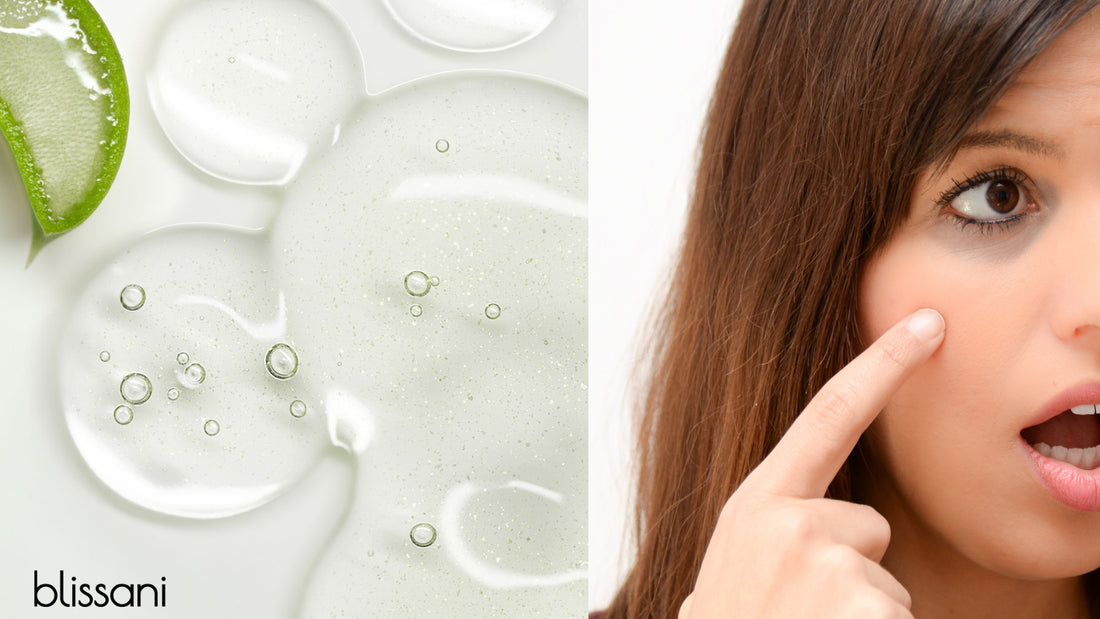
Effective Natural Remedies for Dark Under-Eye Circles
Share
Effective Natural Remedies for Dark Under-Eye Circles
Dark under-eye circles are one of the most common skin complaints — and one of the most misunderstood. They're not always about sleep deprivation. Genetics, thin skin, hyperpigmentation, and blood vessel visibility all play a role. The good news is that several natural remedies have real science behind them, and a few simple habits can make a visible difference over time.
Why Dark Circles Form in the First Place
The skin under your eyes is about 0.5mm thick — roughly 40% thinner than skin elsewhere on your face. That thinness means blood vessels show through more easily, giving the area a bluish or purplish tint. In people with deeper skin tones, post-inflammatory hyperpigmentation is often the bigger culprit, causing a brownish discoloration instead.
Other contributing factors include fluid retention (which causes puffiness that casts shadows), reduced collagen production as you age, and chronic sun exposure, which accelerates melanin buildup in the under-eye area. Knowing which type you're dealing with helps you pick the right remedy.
Cold Compresses and Green Tea Bags: The Vascular Approach
If your dark circles lean blue or purple, you're likely seeing dilated or prominent blood vessels. Cold temperatures cause vasoconstriction — vessels narrow, reducing the visible tint and any associated puffiness.
A simple cold compress works: wrap a few ice cubes in a clean cloth and hold it gently against closed eyes for 10–15 minutes. Do this in the morning when puffiness tends to peak.
Green tea bags take this a step further. Green tea contains caffeine, which constricts blood vessels, and epigallocatechin gallate (EGCG), a potent antioxidant that reduces inflammation. Steep two bags, let them cool in the refrigerator for 20–30 minutes, then rest them on your eyes for 10–15 minutes. The combination of cold and caffeine makes this one of the more effective at-home options for vascular dark circles.
Vitamin E, Almond Oil, and Hydration for Thin Skin
When skin is dry and thin, dark circles look more pronounced. Almond oil is a solid natural fix here — it's rich in vitamin E (alpha-tocopherol), which supports the skin barrier and has mild anti-inflammatory properties. A small 2010 study published in the Journal of Cosmetic Dermatology found that vitamin E combined with vitamin C showed measurable improvement in hyperpigmentation after four weeks of use.
To use almond oil, warm a few drops between your fingertips and gently tap — don't rub — onto the under-eye area before bed. The tapping motion avoids stretching already-thin skin. Leave it on overnight.
Consistent hydration from the inside matters too. Dehydration makes blood vessels more visible and reduces skin plumpness. Aim for at least 8 cups of water daily, and consider foods high in water content like cucumbers and watermelon.
Cucumber and Potato: The Brightening Classics
Cucumber has a high water content and contains ascorbic acid (vitamin C) and caffeic acid, both of which help reduce water retention and calm irritated skin. Chilled cucumber slices placed on closed eyes for 10–15 minutes deliver a mild anti-inflammatory effect along with that cooling relief. They won't dramatically lighten pigmentation, but they reduce puffiness and soothe the area consistently.
Potatoes are a less-hyped but genuinely useful option for hyperpigmentation-type dark circles. Raw potatoes contain catecholase, an enzyme that has mild skin-lightening properties. Grate a raw potato, strain the juice through a cheesecloth, soak cotton pads in the liquid, and refrigerate them for 20 minutes before applying to closed eyes for 10–15 minutes. You won't see overnight results, but with daily use over several weeks, some people notice a meaningful reduction in pigmentation.
Lifestyle Factors That Undercut Every Remedy
Natural remedies work better when you're not fighting against habits that worsen dark circles. A few worth addressing:
Sleep position: Sleeping on your side or stomach allows fluid to pool under the eyes. Sleeping on your back with your head slightly elevated reduces morning puffiness significantly.
Salt intake: High sodium causes fluid retention throughout the body, including under the eyes. Cutting back on processed foods noticeably reduces puffiness within a few days for most people.
Sun protection: UV exposure increases melanin production, which darkens under-eye pigmentation over time. A broad-spectrum SPF applied close to the eye area daily is one of the highest-impact habits you can build. This is especially true for people with Fitzpatrick skin types III–VI, where hyperpigmentation is the dominant cause of dark circles.
Screen time: Extended screen use causes eye strain and increased blinking, which can contribute to puffiness and visible fatigue around the eyes. The 20-20-20 rule (every 20 minutes, look at something 20 feet away for 20 seconds) helps.
When to Add a Skincare Product to Your Routine
Natural remedies cover a lot of ground, but if you're dealing with significant collagen loss or persistent hyperpigmentation, a targeted skincare product can fill the gap. Ingredients like vitamin C, niacinamide, and retinol have the strongest evidence for improving both pigmentation and skin firmness over time.
If you're looking for a clean, cruelty-free option to complement your routine, blissani's full product range is vegan, US-made, and formulated without harsh synthetics — worth exploring if you're trying to keep your skincare simple and intentional.
The under-eye area responds slowly to treatment no matter what you use. Give any remedy — natural or otherwise — at least four to six weeks of consistent use before deciding whether it's working. Consistency matters more than the specific remedy you choose.
Frequently Asked Questions
Common questions about this topic
How can I tell if my dark circles are from blood vessel visibility versus hyperpigmentation?
Blood vessel visibility typically appears as a blue or purplish tint under the eyes, while hyperpigmentation causes a brownish discoloration and is more common in deeper skin tones. The article explains that the under-eye skin is extremely thin (0.5mm), making blood vessels show through easily in some people, whereas others experience melanin buildup from sun exposure or post-inflammatory hyperpigmentation. Identifying which type you have is important because it determines which natural remedy will work best for you.
Will cold compresses and green tea bags actually work for blue-toned dark circles?
Yes, according to the article, cold compresses and green tea bags use a "vascular approach" that is specifically effective for blue or purplish-tinted dark circles caused by blood vessel visibility. The cold temperature helps constrict blood vessels, reducing their appearance, while green tea contains beneficial compounds that support this effect.
Is there hope for dark circles if they're genetic, or are they permanent?
Yes, there is hope even if dark circles run in your family. The article states that while genetics is a contributing factor, several natural remedies have real science behind them and simple habits can make a visible difference over time, meaning genetic predisposition doesn't mean you're stuck with them permanently.