
Hibiscus Benefits for Skin: Anti-Aging & Natural Skincare
Share
A Cup of Hibiscus and a Little Wisdom from the Garden
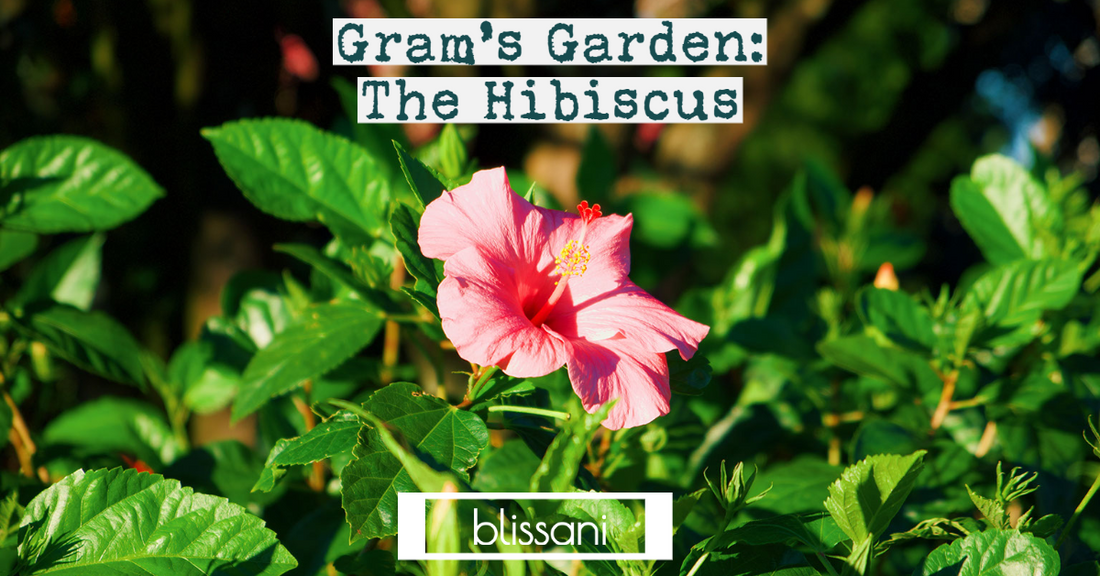
Every morning, before the rest of the house stirs, I walk out to the garden with a warm mug of hibiscus tea. The deep crimson color alone feels like a gift — like the flower is showing off just a little, reminding me that beauty and purpose so often grow side by side. I have been tending flowers and herbs for more years than I care to count, and hibiscus has never once let me down. It brightens my tea, it brightens my mornings, and as it turns out, it has quite a lot to say about brightening skin, too. Let me tell you what I have learned.
What Makes Hibiscus So Special for Skin
When I look at a hibiscus bloom — those wide, dramatic petals in shades of red, pink, and coral — I see a plant that has packed a remarkable amount of goodness into a very elegant package. Skincare researchers have come to the same conclusion, and the science behind hibiscus is genuinely exciting.
Hibiscus is rich in antioxidants, particularly anthocyanins, which are the pigments responsible for that beautiful deep red color. Antioxidants help protect skin cells from the kind of daily environmental stress — sun, pollution, the general wear of living — that can accelerate visible aging over time. Think of them as a quiet, steady shield working on your behalf.
The flower also contains a meaningful amount of vitamin C, a nutrient that plays a central role in how the skin maintains its tone and resilience. Vitamin C supports the skin's natural collagen production and helps fade the kind of uneven pigmentation that creeps in as the years pass. It is one of those ingredients that earns its reputation honestly.
And then there are the natural alpha hydroxy acids, or AHAs — citric acid and malic acid among them — which hibiscus contains in gentle, naturally occurring amounts. These acids work at the surface of the skin to encourage cell turnover, helping the complexion look fresher and feel smoother without the harshness of synthetic chemical peels. Nature's version of exfoliation, delivered with a little more grace.
Hibiscus and Anti-Aging: What the Garden Teaches Us
I have never been one to fight aging. Time is a gift, and I believe in aging honestly. But I do believe in caring for the skin you are in — keeping it healthy, hydrated, and as luminous as it can be at every stage of life. That is where hibiscus earns its place in the anti-aging conversation.
Because hibiscus supports the skin's natural collagen production through its vitamin C content and antioxidant activity, regular use can help maintain the skin's structural integrity. Collagen is what keeps skin firm and full. As we age, the body produces less of it, and that is when fine lines begin to settle in. Hibiscus does not erase the years — nothing does, nor should it — but it helps the skin hold on to its natural resilience a little longer.
The anthocyanins in hibiscus have also been studied for their ability to inhibit certain enzymes that break down elastin, the protein that gives skin its snap and spring. Preserving elasticity is one of the gentler, quieter ways to support skin that looks healthy and well-cared-for over time. A garden that is tended well does not age the same way as one that is left on its own. Skin is not so different.
Brightening and Evening Skin Tone Naturally
Uneven skin tone — the small dark spots, the patches of dullness, the remnants of old blemishes — is one of the most common things I hear people mention when they talk about what bothers them about their complexion. Hibiscus has something real to offer here.
The combination of vitamin C and natural acids in hibiscus gently discourages excess melanin production and helps to fade hyperpigmentation over time. It works gradually and naturally, which is exactly how I prefer things. Patience is a virtue I learned in the garden. You do not rush a bloom, and you do not rush good skincare either.
With consistent use, hibiscus-infused products can help the complexion look more even, more radiant, and more refreshed. Not different — just more fully itself, which is the best kind of beautiful.
Hibiscus as a Natural Exfoliant
One of the things I find most remarkable about hibiscus is that it carries its own gentle exfoliating ability. The naturally occurring AHAs — citric acid and malic acid in particular — work by loosening the bonds between old, dull surface skin cells, allowing them to shed more easily so that fresher skin can show through.
This is sometimes called chemical exfoliation, though I prefer to think of it as the flower doing what it does naturally. Unlike scrubs with abrasive particles that can irritate or micro-tear the skin, AHAs work at a cellular level with considerably more refinement. For sensitive skin especially, this kind of gentle, plant-sourced exfoliation is far kinder than anything harsh.
Citric acid also has mild astringent properties, which can help minimize the appearance of pores and keep skin looking clean and clear. Malic acid brings a hydrating quality alongside its exfoliating work, which means hibiscus gives without taking too much. That is the kind of balance I admire in a plant.
How blissani Thinks About Plants: Marigold, Hibiscus, and the Same Philosophy
The reason I love blissani is that the team thinks about plants the way I do — with genuine respect for what they offer and a commitment to using them honestly. A wonderful example is the marigold in blissani's Clear Face Wash. Marigold, or calendula, is a flower I grow every season. It is soothing, anti-inflammatory, and gentle enough for even reactive skin. It calms while it cleanses, which is exactly what a good face wash ought to do.
Hibiscus fits right into that same plant-based philosophy. Both flowers bring more than aesthetics to the table — they bring function, history, and a kind of botanical intelligence that synthetic ingredients simply cannot replicate. When a brand commits to vegan, cruelty-free, naturally sourced ingredients made right here in the United States, it is making a promise about how it values both people and the natural world. That matters to me. I suspect it matters to you, too.
A Closing Thought from the Garden
Nature has been solving problems long before we thought to ask. The hibiscus did not develop its antioxidants, its acids, and its vitamins for our benefit — and yet here we are, the grateful recipients of something extraordinary. Every season I grow this plant, I am reminded that the most enduring wisdom is often the quietest kind. It does not shout. It just blooms, year after year, offering what it has.
I hope you find a little of that wisdom in your own skincare routine — in the plants you choose, in the patience you practice, and in the simple, steady act of caring for yourself well. That is all good skincare really is. That is all a good garden really is, too.
With love from the garden — Gram
Frequently Asked Questions
Common questions about this topic
Can I get the same skin benefits from drinking hibiscus tea as I would from using it in a topical skincare product?
While hibiscus tea provides antioxidants internally, topical hibiscus products may offer more concentrated and direct benefits to your skin since the active compounds reach your skin cells directly rather than being processed through digestion. That said, both methods can be complementary—drinking hibiscus tea supports overall skin health from within while topical products target specific concerns like fine lines and environmental damage on the surface.
How long does it typically take to see anti-aging results from using hibiscus in my skincare routine?
Most skincare ingredients, including hibiscus, require consistent use over 4-8 weeks before you'll notice visible improvements in fine lines and skin firmness. Since hibiscus works by protecting and strengthening skin cells over time through its antioxidant properties, patience and regular application are key to seeing the anti-aging benefits.
Is hibiscus safe to use if I have sensitive skin or are already using other anti-aging treatments like retinol?
Hibiscus is generally gentle and well-tolerated by sensitive skin types, but it's always wise to patch test first and introduce it gradually into your routine. If you're already using active ingredients like retinol, you can typically layer hibiscus products, though you may want to consult with a dermatologist to ensure the combination works for your specific skin needs.