
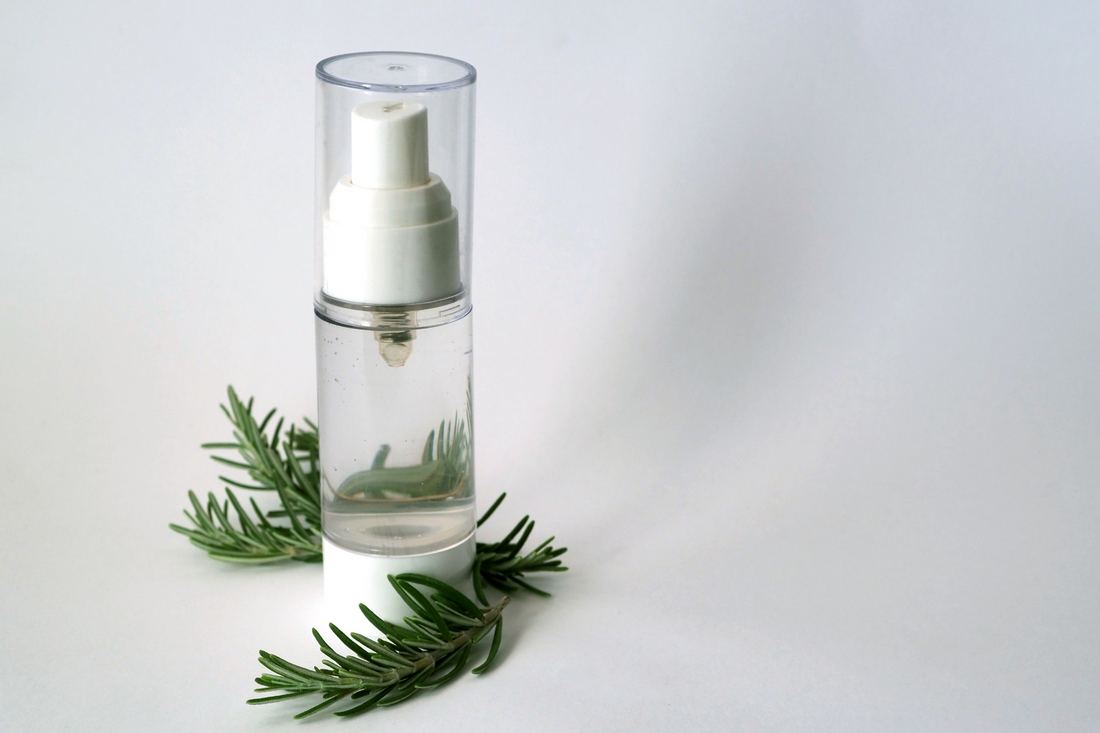
How to Make a Natural Acne Toner That Works!
Apple cider vinegar kills acne-causing bacteria by lowering the skin's pH — and when you dilute it correctly, it works as a toner without the irritation that trips most people up. The key word is correctly. Straight ACV on your face will burn and damage your skin barrier, which is why so many DIY recipes fail.
This toner uses a simple ACV-to-water ratio that's actually safe for daily use, plus a few optional add-ins depending on your skin type. You only need about five minutes and ingredients you likely already have. Here's how to make it properly.
Gather your ingredients
Let's start by gathering all the ingredients you'll need to make this homemade toner. You'll need: - Apple cider vinegar - 1 cup - Distilled water - 1 cup - A glass bottle - 1 - Essential oils - 3 drops
Mix the apple cider vinegar and water
The first thing you'll want to do is mix the apple cider vinegar and water. Start with 1 cup of vinegar and pour it into a measuring cup. Next, add 1 cup of water. Mix these ingredients together using a fork or spoon until they're thoroughly combined.
Add the essential oils
Next, add the essential oils. For best results, choose one or a combination of these oils: - Lemongrass oil - This oil is antibacterial and anti-inflammatory. It also smells amazing and is great for acne-prone skin! - Tea tree oil - Tea tree oil is a powerful antiseptic and antifungal oil. It's especially good for acne that's caused by bacteria. - Sandalwood oil - This oil is a great choice for sensitive skin because it's anti-inflammatory and anti-bacterial. It's also moisturizing and smells wonderful! - Peppermint oil - Peppermint oil is a natural astringent that reduces redness and irritation. It's also a good choice for acne-prone skin. - Rose oil - Rose oil is anti-aging and anti-inflammatory. It also smells amazing and is a good choice for acne-prone skin.

Pour the toner into a clean, dry bottle
Next, pour the vinegar-water mixture into a clean, dry bottle. Make sure the bottle is clean and dry to prevent bacteria from growing in your toner. The best bottle to use is a 16-ounce amber glass bottle. Make sure to clean and thoroughly dry the bottle before adding the toner.
Apply the toner to your face
Now you're ready to apply the toner to your face. You can use it as a toner after cleansing and before applying your moisturizer or as a daily face wash. For best results, apply the toner with a cotton pad. Simply pour a little of the toner into a cotton pad and gently rub it onto your face. You'll notice the cotton pad will start to turn a dark brown as it removes dirt and impurities from your skin. You can also pour a little toner into a clean bowl or container and use a facial sponge to apply it to your face. This is great for people with sensitive skin who prefer not to apply the toner directly to their face.
Store the toner in a cool, dark place
Once you've used up all the toner, you'll want to store it in a cool, dark place. Natural ingredients can sometimes react to heat and light, which is why it's important to store the toner in a cool, dark place. A cabinet or pantry is a good place to store the toner. Of course, we prefer our blissani Naturals vegan-friendly, cruelty-free acne fighting toner. It contains a powerful combination of licorice root, witch hazel and aloe extract to reduce inflammation and blemishes. Yet, we support DIY and vegan skincare in all its forms. So whether you choose to use the blissani Naturals acne toner or make your own...we just hope you stay safe and stay well.

Frequently Asked Questions
Common questions about this topic
Why is the 1:1 ratio of apple cider vinegar to water so important, and what happens if I use more vinegar to make it stronger?
The 1:1 ratio is specifically formulated to lower your skin's pH enough to kill acne bacteria while remaining safe for daily use. Using more vinegar will increase the risk of burning your skin barrier and causing irritation, which actually worsens acne rather than improving it.
Can I use regular tap water instead of distilled water, or does it really matter?
Distilled water is recommended because tap water contains minerals and impurities that can interfere with the toner's effectiveness and potentially cause irritation. If you don't have distilled water on hand, filtered water is your next best option.
How often should I use this ACV toner, and is it safe to use it alongside other acne treatments like benzoyl peroxide or salicylic acid?
The article indicates this ratio is safe for daily use, but you should start with 2-3 times per week to see how your skin responds. If you're already using other acne treatments, introduce this toner gradually or consult a dermatologist to avoid over-treating your skin.
Featured in This Article
blissani Clear Face Toner
Vegan · Cruelty-Free · Made in USA
Formulated with licorice root — $15
Shop Now →Free shipping in the Continental USA · 30-day money-back guarantee
How often should you use an acne toner?
One of the most common questions people have after making their own acne toner is how often to use it. The short answer is: it depends on your skin type. If you have oily or combination skin, using your toner twice a day — once in the morning and once at night after cleansing — is generally well-tolerated and effective. If your skin leans more toward dry or sensitive, once a day at night is a safer starting point.
Because this DIY toner contains apple cider vinegar, it's worth paying attention to how your skin responds during the first week. Apple cider vinegar is naturally acidic, and while diluting it with equal parts water brings it closer to skin-friendly pH levels, some people still find it mildly irritating at first. If you notice any redness or tightness that doesn't resolve quickly, try diluting your mixture further — a ratio of one part vinegar to two parts water is still effective for many skin types.
A good rule of thumb is to patch test any new toner, homemade or otherwise, on the inside of your wrist or behind your ear before applying it to your full face. This small step can save you a lot of frustration. And if you're looking for a pre-made option that's already pH-balanced and formulated for sensitive, acne-prone skin, the blissani Naturals Clear Face Toner is worth considering — it skips the guesswork entirely.
What to look for in a natural acne toner — DIY or store-bought
Whether you're making your own toner or shopping for one, there are a few ingredients and qualities worth looking for. On the ingredients side, you want something that addresses the root causes of acne — bacteria, excess oil, and inflammation — without disrupting your skin's natural moisture barrier. That's why the essential oils listed earlier in this article are such a good fit for a homemade formula. Each one targets at least one of those three concerns.
When it comes to store-bought natural toners, the ingredient list tells you a lot. Look for plant-based actives like witch hazel, which is a natural astringent that tightens pores without over-drying. Aloe vera is another strong indicator of a quality formula — it calms redness and supports healing. Licorice root extract is a standout ingredient for anyone dealing with post-acne dark spots or hyperpigmentation, as it gently brightens skin over time without harsh chemicals. The blissani Naturals Clear Face Toner combines all three of these — witch hazel, aloe extract, and licorice root — in a single cruelty-free, vegan formula made right here in the USA.
What you want to avoid is just as important. Steer clear of toners with synthetic fragrances, alcohol listed high on the ingredient label, or parabens. These can strip the skin, cause irritation, and in some cases make acne worse over time by triggering your sebaceous glands to produce more oil as compensation.
Building a simple natural skincare routine around your toner
A toner works best when it's part of a consistent routine rather than a standalone treatment. The basic sequence is straightforward: cleanse, tone, treat, moisturize. Your toner is the second step, and it prepares your skin to better absorb whatever comes after it — whether that's a spot treatment, a serum, or a lightweight moisturizer.
If you're dealing with active breakouts, consider adding a targeted spot treatment after your toner. A gentle, natural option will address individual blemishes without drying out the surrounding skin. If anti-aging is also a concern alongside acne, a lightweight serum applied after toning can address both issues at once — this is especially relevant for adults dealing with the frustrating combination of breakouts and fine lines at the same time.
Consistency matters more than perfection here. A simple two-step routine you actually do every day will outperform a complicated ten-step routine you skip half the time. Start with your toner, morning and night, and build from there as your skin adjusts and your needs become clearer.
Making your own natural acne toner is a practical, low-cost way to take control of what goes on your skin. If you find the DIY route isn't quite delivering the results you want, a clean, plant-based option like the blissani Naturals Clear Face Toner is an easy next step — same natural philosophy, with a fully tested and balanced formula. Either way, the most important thing is giving your skin something gentle, consistent, and free of unnecessary chemicals.