
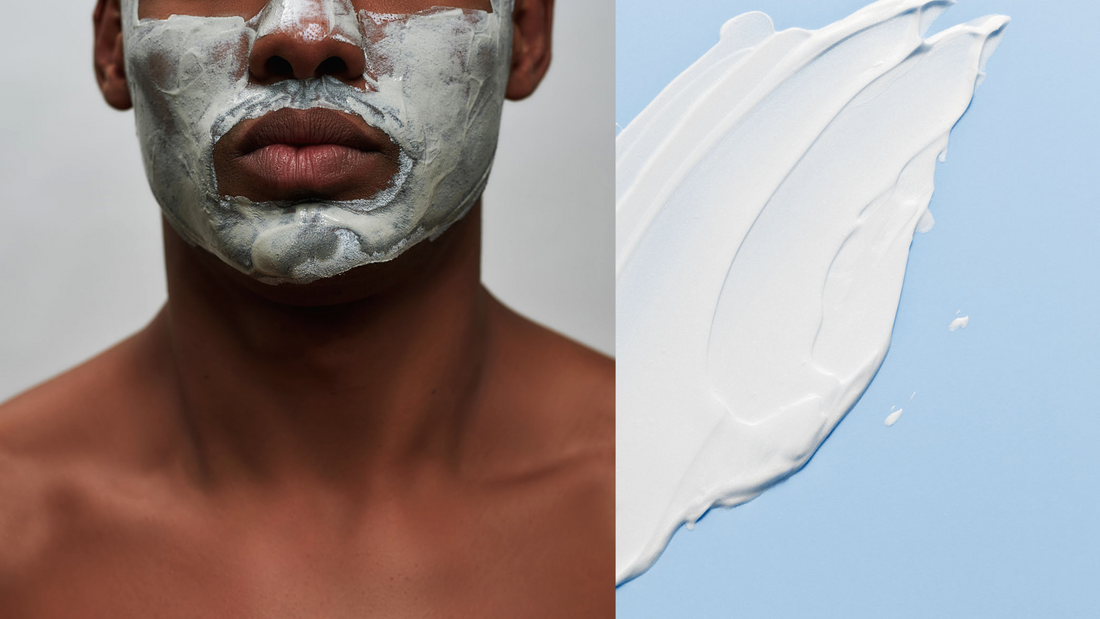
Essential Moisturizer For Men: Fall Skin Care Guide
Share
Fall doesn't ease up on your skin — it just trades one set of problems for another. The UV index drops, but so does humidity, and once indoor heating kicks on, you're dealing with dry air around the clock. That combination pulls moisture out of your skin faster than most men realize, which is why tightness and flaking tend to show up seemingly overnight.
The fix isn't complicated, but it does require swapping out what worked in summer. Your skin needs more from your moisturizer now — heavier emollients, better barrier support, and ideally something applied while your skin is still slightly damp. Here's where to start.
Why Fall Is the Hardest Season for Men's Skin
Summer gets all the attention when it comes to skin damage — sunburn, sweat, UV exposure. But fall is where a lot of men quietly lose ground. Temperatures drop, humidity falls, and indoor heating kicks on, pulling moisture out of the air and out of your skin. The result is tightness, flakiness, and accelerated fine lines if you're not adjusting your routine. The good news is that a few targeted changes go a long way.
Start the Morning Right: Cleanser and Toner Before Anything Else
A warm shower in the morning does open pores and improve circulation, but what you do immediately after matters more than most men realize. Skipping a proper face wash and going straight to moisturizer means you're sealing in overnight oil, dead skin cells, and any environmental residue from the day before.
Use a face wash specifically formulated for facial skin — not bar soap or hand soap, which can have a pH around 9 to 10 and strip your skin's natural acid mantle (which sits around pH 4.5 to 5.5). The blissani Clear Face Wash ($18) uses a blend of aloe, red clover oil, and rosehip to gently clear pores without over-drying. Red clover contains isoflavones that help regulate sebum production, which is useful when your skin starts overcompensating for dryness in cooler weather.
After washing, follow with a toner. The blissani Clear Face Toner ($15) combines licorice root extract and aloe vera to balance skin pH and even out skin tone. Licorice root contains glabridin, a compound shown to inhibit pigmentation and reduce redness — useful if shaving leaves your face looking irritated. Apply it with a cotton pad or clean hands before any other product.
Shaving in Fall: Protect the Skin Barrier
If you shave regularly, you already know it's rough on your skin — and it gets worse when the air is dry. Shaving physically removes a thin layer of skin cells each time, which is why irritation, redness, and sensitivity spike in fall and winter. A few practical adjustments help:
Always shave after washing your face or showering, when hair is softer and pores are open. Use a shave gel or cream designed for sensitive skin rather than a foam, which often contains propellants and alcohol that dry skin out. Rinse with cool water afterward to help close pores, and follow immediately with your toner to restore pH balance before applying anything else.
The Case for an Anti-Aging Serum — Not Just a Moisturizer
A lot of men grab a basic moisturizer and call it done. That's fine for hydration, but if you're in your 30s or beyond, a standard lotion isn't doing much for collagen support, fine lines, or uneven texture. Fall is a smart time to add a serum to your evening routine because your skin repairs itself overnight, and the cooler, drier conditions make a concentrated treatment more effective than in summer heat.
The blissani Very Toney Anti-Aging Serum ($29) is formulated specifically for men's skin, which tends to be thicker and oilier than women's due to higher testosterone levels — but still loses collagen at roughly 1% per year after age 25. Very Toney uses retinol, which increases cell turnover and stimulates collagen production, along with hyaluronic acid to retain moisture at the surface level. It's vegan, cruelty-free, and made in the US. Apply a small amount to your face and neck after cleansing and toning in the evening, and let it absorb before bed.
One thing to keep in mind with retinol: start with every other night if you have sensitive skin, and always apply sunscreen in the morning, since retinol increases photosensitivity. That's not a reason to avoid it — it's just how it works.
Dry Skin from the Neck Down: Body Lotion Matters Too
Face care gets most of the focus, but the skin on your body takes a hit in fall too — especially hands, elbows, and shins, which tend to dry out fastest. Look for a body lotion that's fragrance-free and contains humectants like glycerin or urea, which pull moisture into the skin rather than just sitting on top of it. Apply after a shower while your skin is still slightly damp to lock in hydration.
Avoid lotions with heavy fragrance or alcohol listed high on the ingredient list — both can worsen dryness over time even if they feel fine initially.
Your Practical Fall Skin Care Routine, Simplified
Here's what a straightforward fall routine actually looks like, without unnecessary steps:
Morning: Wash face with a pH-balanced cleanser → apply toner → apply SPF moisturizer (30 or higher, every day — UV rays don't stop in October).
After shaving (whenever you shave): Rinse with cool water → toner → lightweight moisturizer or serum.
Evening: Wash face → toner → anti-aging serum like Very Toney → let absorb, skip the extra moisturizer on top unless your skin is very dry.
Body: Fragrance-free body lotion post-shower, focused on hands, elbows, and any areas that feel tight.
The shift from summer to fall doesn't require a complete overhaul. Add a serum, keep your cleanser and toner consistent, and pay attention to how your skin feels as temperatures drop — then adjust from there. That's really all it takes to stay ahead of seasonal dryness before it becomes a problem.
How to Layer Products Without Overdoing It
One of the more common mistakes men make when adding new products to a routine is applying them in the wrong order, or layering too many things at once and then blaming the products when their skin reacts. The general rule is simple: go from thinnest to thickest consistency. Toner first, then serum, then moisturizer or SPF on top if needed. Applying a heavy moisturizer before a serum essentially blocks the serum's active ingredients from reaching the skin layers where they're actually useful.
With retinol-based serums like the blissani Very Toney Anti-Aging Serum, there's an additional consideration: don't layer it with other active ingredients like AHAs, BHAs, or vitamin C in the same application. That doesn't mean you can't use those ingredients — it means alternate them on different nights if you're using multiple actives. Retinol on Monday, Wednesday, Friday. Exfoliating acid or vitamin C on Tuesday, Thursday. Your skin gets the benefit of both without the irritation that comes from stacking them together.
If your skin feels tight after applying your serum in the evening, a thin layer of an unfragranced moisturizer on top is fine — but most men with normal to oily skin will find the serum alone is enough once the skin adjusts to the cooler season.
What "Natural" Actually Means on a Skin Care Label
The word "natural" shows up on a lot of product packaging, but it has no regulated definition in the US cosmetics industry. A product can call itself natural while still containing synthetic preservatives, artificial fragrance, or petroleum-derived ingredients. What actually tells you something useful is the ingredient list itself and whether a brand is transparent about its formulation standards.
For men who care about what they're putting on their skin — or who have sensitive skin that reacts to certain additives — it's worth looking for products that are vegan, cruelty-free, and ideally manufactured domestically where facility standards are easier to verify. blissani products are all three: vegan, cruelty-free, and made in the US. That's not a marketing angle — it's a formulation choice that affects what goes into the bottle and what doesn't. Synthetic fragrance, for instance, is one of the more common skin irritants in men's grooming products, and it's entirely unnecessary for a product to function well.
When you're reading an ingredient label, a few things to watch for: alcohol denat or SD alcohol listed in the first several ingredients (drying), fragrance or parfum without further specification (potential irritant), and mineral oil or petrolatum as the primary moisturizing ingredient (occlusive but not actively hydrating). None of these are necessarily dangerous, but they're worth knowing about when your skin is already dealing with seasonal stress.
Adjusting Your Routine as Fall Turns to Winter
Fall is really a transition period, and what works in October may need another small adjustment by December. As indoor heating runs longer and outdoor temperatures drop further, even men who rarely dealt with dry skin in the warmer months start to notice it. The cleanser and toner routine you've established stays the same — that foundation doesn't change. What shifts is how much moisture support your skin needs on top of it.
If you're using the Very Toney serum in the evening and your skin starts feeling tight in the morning, that's a signal to add a slightly richer moisturizer to your morning routine, or to apply your serum to slightly damp skin rather than completely dry skin — hyaluronic acid, one of its key ingredients, works better when there's some surface moisture present for it to bind to. Small adjustments like that are usually enough to carry you through without switching products entirely.
Pay attention to your skin in late November and December the same way you did in September. It'll tell you what it needs.
The core of a good fall and winter routine is consistency with the basics — a gentle cleanser, a balancing toner, and a targeted serum applied regularly — rather than rotating through new products every few weeks. Get those three things right, stay consistent with SPF in the morning, and most seasonal skin issues take care of themselves.
Frequently Asked Questions
Common questions about this topic
Should I switch to a different cleanser in fall, or is my summer cleanser still okay?
While you don't necessarily need a completely different cleanser, fall is when you should avoid anything too stripping or astringent. Look for gentler formulas that won't further compromise your skin barrier, which is already stressed by low humidity and indoor heating. If your summer cleanser felt refreshing but now leaves your skin feeling tight, it's time to make a change.
Why does the article emphasize applying moisturizer to damp skin instead of dry skin?
Applying moisturizer to slightly damp skin helps lock in that moisture and maximizes hydration penetration, which becomes critical when fall's dry air is constantly pulling water out of your skin. Waiting for your skin to completely dry means you're missing an opportunity to seal in hydration when your skin is most receptive to it.
If humidity drops in fall, why do I suddenly have flaking and tightness when summer was fine?
Summer humidity kept your skin naturally hydrated even if your routine wasn't perfect, but fall strips that away on two fronts — outdoor humidity drops AND indoor heating creates dry air 24/7. This one-two punch happens faster than most men expect, which is why the problem seems to appear overnight once the season changes.