
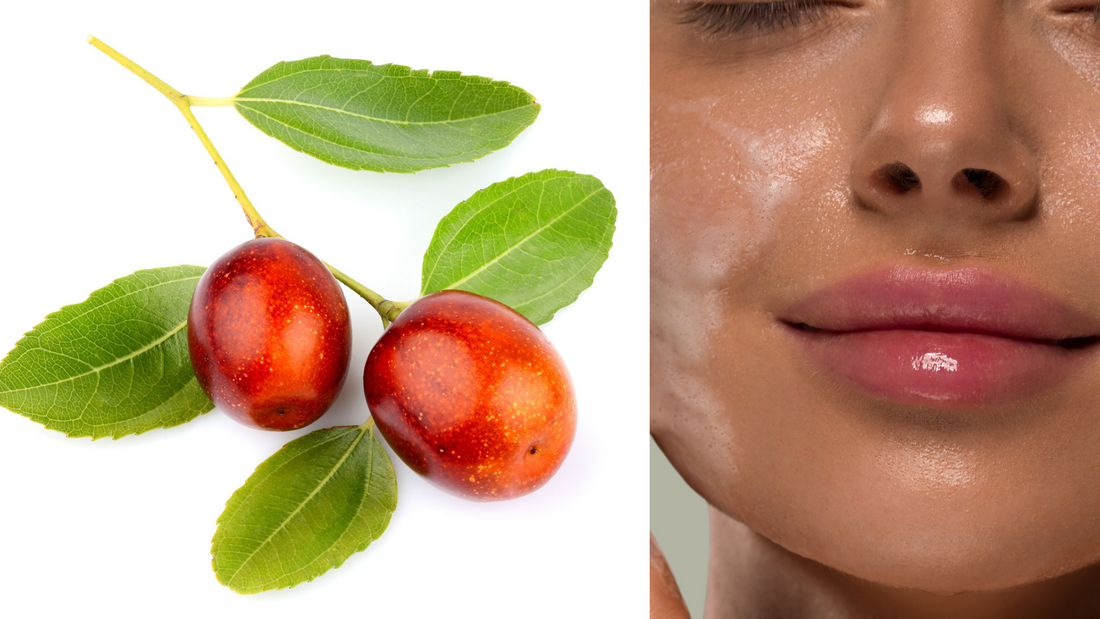
Protect Your Skin With Jojoba Oil: Benefits, Uses and Tips
Share
What Makes Jojoba Oil Different From Other Skin Oils?
Most plant oils are exactly that — oils. Jojoba is technically a liquid wax, which changes everything about how it behaves on your skin. Its molecular structure closely resembles human sebum, the natural oil your skin already produces. That similarity means your skin recognizes it, absorbs it readily, and doesn't respond with clogged pores or breakouts the way it might with heavier oils like coconut or olive.
Jojoba is cold-pressed from the seeds of Simmondsia chinensis, a desert shrub native to the American Southwest. The resulting oil is rich in eicosenoic acid (around 66–71%), a long-chain fatty acid that gives it exceptional stability and a long shelf life without preservatives. It also contains vitamin E, vitamin B-complex, zinc, and copper — all of which play real roles in skin repair and protection.
The Skin Benefits That Are Actually Backed Up
There's a lot of noise around natural oils, so it helps to be specific about what jojoba actually does and why.
Balances oil production. Because jojoba mimics sebum, applying it can signal your skin to produce less of its own oil. This makes it genuinely useful for oily and acne-prone skin — not just dry skin types.
Reduces inflammation. Jojoba contains myristic acid and behenic acid, both of which have demonstrated anti-inflammatory properties. If your skin tends toward redness or irritation, this is one reason jojoba is frequently included in calming formulas.
Supports the skin barrier. The wax esters in jojoba form a breathable, protective layer on the skin's surface. This slows transepidermal water loss (TEWL) — the process by which your skin loses moisture to the air — without blocking oxygen exchange the way petroleum-based products can.
Delivers antioxidant protection. Vitamin E (tocopherol) in jojoba helps neutralize free radicals from UV exposure and environmental pollution. It won't replace sunscreen, but as part of a daily skincare routine, it adds a meaningful layer of antioxidant defense.
Fights acne-causing bacteria. Some studies suggest jojoba has antimicrobial properties that may inhibit the growth of Cutibacterium acnes (formerly known as P. acnes), the bacteria most associated with breakouts.
How Jojoba Fits Into an Anti-Aging Routine
Wrinkles and fine lines form partly because the skin loses its ability to retain moisture and repair itself as we age. Collagen production slows, the skin barrier weakens, and oxidative damage accumulates. Jojoba addresses several of these issues at once — it hydrates, protects, and delivers vitamin E and B-complex vitamins that support cellular repair.
That's exactly why jojoba oil is one of the key ingredients in both blissani's Gemma Crema and Very Toney Vegan Anti-Aging Serums. Both formulas pair jojoba with retinol, hyaluronic acid, and 14 botanical extracts to target fine lines and acne at the same time — a combination that's hard to find in most mainstream products. Gemma Crema is designed for all skin types, while Very Toney is formulated specifically for men's skin, which tends to be thicker and oilier.
How to Use Jojoba Oil Correctly
The order you apply skincare products matters. Here's a straightforward routine that gets the most out of jojoba oil:
Step 1 — Cleanse first. Jojoba penetrates better when your pores aren't blocked by dirt, sunscreen, or excess oil. Use a gentle, sulfate-free face wash — blissani's Clear Face Wash ($18) is formulated without harsh detergents that strip your natural moisture barrier, which makes it a good match for a jojoba-based routine.
Step 2 — Tone. A good toner removes residual buildup after cleansing and preps the skin to absorb what comes next. blissani's Clear Face Toner ($15) uses natural botanical ingredients that balance skin pH without alcohol, which would counteract the moisturizing work jojoba does.
Step 3 — Apply jojoba (or a serum that contains it). A few drops of pure jojoba oil warmed between your fingers and pressed gently into the skin is all you need. If you're using an anti-aging serum that already contains jojoba — like Gemma Crema or Very Toney — you're getting the oil's benefits alongside retinol and hyaluronic acid in a single step.
Step 4 — Sunscreen in the morning. Jojoba's antioxidants help, but they don't block UV rays. Always layer SPF 30 or higher over your serum during the day.
Who Should Use Jojoba Oil?
Almost everyone. Jojoba is non-comedogenic, meaning it doesn't clog pores — which makes it safe for acne-prone and sensitive skin. Its sebum-mimicking structure also makes it effective for dry skin without leaving a greasy residue. It's one of the few oils that works across oily, dry, combination, and sensitive skin types without needing much adjustment.
If you have a nut allergy, check with your doctor first — jojoba is a seed, not a nut, but cross-reactivity is occasionally reported. For most people, patch testing on the inner arm for 24 hours before full use is a sensible step with any new ingredient.
Pure Jojoba vs. Jojoba in a Formula: Which Is Better?
Pure cold-pressed jojoba oil is excellent on its own and widely available. But when it's formulated alongside complementary ingredients — retinol to stimulate collagen, hyaluronic acid to draw moisture into the skin, peptides and plant extracts that address specific concerns — the results go further than jojoba alone. The right formula amplifies what jojoba already does rather than diluting it.
If you want to explore skincare that uses jojoba thoughtfully alongside other active ingredients, the full blissani collection is worth a look — all products are vegan, cruelty-free, and made in the US.
The short version: jojoba is one of the most versatile, well-tolerated ingredients in natural skincare. Cleanse, tone, then apply it — either pure or as part of a serum — and your skin gets hydration, barrier support, and antioxidant protection in one step. Simple routine, real results.
Frequently Asked Questions
Common questions about this topic
If jojoba oil tells my skin to produce less oil, won't my skin eventually become dependent on it and produce even more oil when I stop using it?
No—jojoba works by signaling your skin that it has enough oil, which gradually normalizes sebum production over time. Once your skin's oil production is balanced, you can reduce jojoba use without triggering a rebound effect, unlike some other skincare ingredients.
How is jojoba oil different from argan oil or rosehip oil, which are also popular for oily skin?
Jojoba is a liquid wax that structurally mimics human sebum, so your skin recognizes and absorbs it without clogging pores. Argan and rosehip are true plant oils with different molecular structures, making them heavier and more likely to cause congestion on acne-prone or very oily skin.
If jojoba is so stable and long-lasting, why do some bottles seem to go rancid quickly after opening?
While jojoba has excellent shelf life due to its eicosenoic acid content, exposure to light, heat, and air after opening can still degrade it over time. Store your bottle in a cool, dark place and always use a clean applicator to prevent contamination and extend its stability.