
Spring Skincare Routine: Natural Tips to Revitalize Your Skin
Share
Spring has a way of making everything feel possible — longer days, warmer air, and that irresistible urge to open the windows and let the world back in. Your skin feels it too. After months of dry heat, heavy moisturizers, and winter wind, your complexion is ready for a fresh start. Building a solid spring skincare routine doesn't have to be complicated. With the right natural ingredients and a little seasonal intention, you can shake off winter dullness and step into spring with genuinely glowing skin.
Here's your practical, step-by-step guide — think of it as advice from a friend who happens to know a lot about botanicals.
Why Your Skin Needs a Seasonal Reset in Spring
Your skin is remarkably responsive to its environment, which means what worked beautifully in January might not be serving you well in April. As temperatures climb and humidity levels shift, your skin's oil production picks up again. Those thick, occlusive products that kept winter dryness at bay can suddenly feel suffocating — even pore-clogging.
At the same time, spring doesn't mean you can completely abandon hydration. Transitional weather is notoriously unpredictable: warm afternoons, cool mornings, and fluctuating indoor air conditioning can leave skin confused and reactive. And then there's the lingering aftermath of winter itself — the dullness, uneven texture, and occasional breakouts that build up when skin has been bundled under heavy layers of product for months.
A seasonal reset means lightening your routine, switching to ingredients that work with your skin's changing needs, and giving it a chance to breathe. Let's walk through exactly how to do that.
Step 1: Gentle Cleansing — Switch From Heavy Winter Formulas
Winter cleansers tend to be rich and creamy — wonderful for combating tight, dry skin when the heat is blasting. But as spring arrives, those same formulas can leave a residue that clogs pores and contributes to breakouts. It's time to lighten up without stripping your skin bare.
Look for a gentle face wash that cleanses thoroughly while respecting your skin barrier. Ingredients like rosehip oil and marigold (calendula) are spring skincare MVPs. Rosehip is rich in vitamins A and C, which help with cell turnover and brightening — exactly what post-winter skin craves. Marigold brings anti-inflammatory, soothing properties that calm any redness or irritation lingering from harsh winter conditions. Together, they cleanse without aggression.
The blissani Clear Face Wash ($18) combines rosehip, marigold, and aloe vera in a gentle, vegan formula made in the US. Aloe adds a calming, hydrating touch that makes this wash feel refreshing rather than harsh — perfect for the transition season. Use it morning and night to start your spring routine on the right foot.
Step 2: Toning — Don't Skip This Step in Spring
If you've been skipping toner through the winter, spring is the season to bring it back — or start for the first time. Here's why: as temperatures rise and your skin produces more oil, maintaining a balanced pH becomes more important. A good toner preps your skin to absorb everything that comes after it, while also addressing the specific challenges of spring skin.
Witch hazel is a classic spring ingredient for good reason. It's a natural astringent that helps tighten pores and control excess oil without the harshness of alcohol-based toners. Pair that with licorice root, which is a powerhouse for brightening uneven skin tone and fading the post-winter dullness that so many of us experience this time of year, and you have a formula that genuinely works with the season.
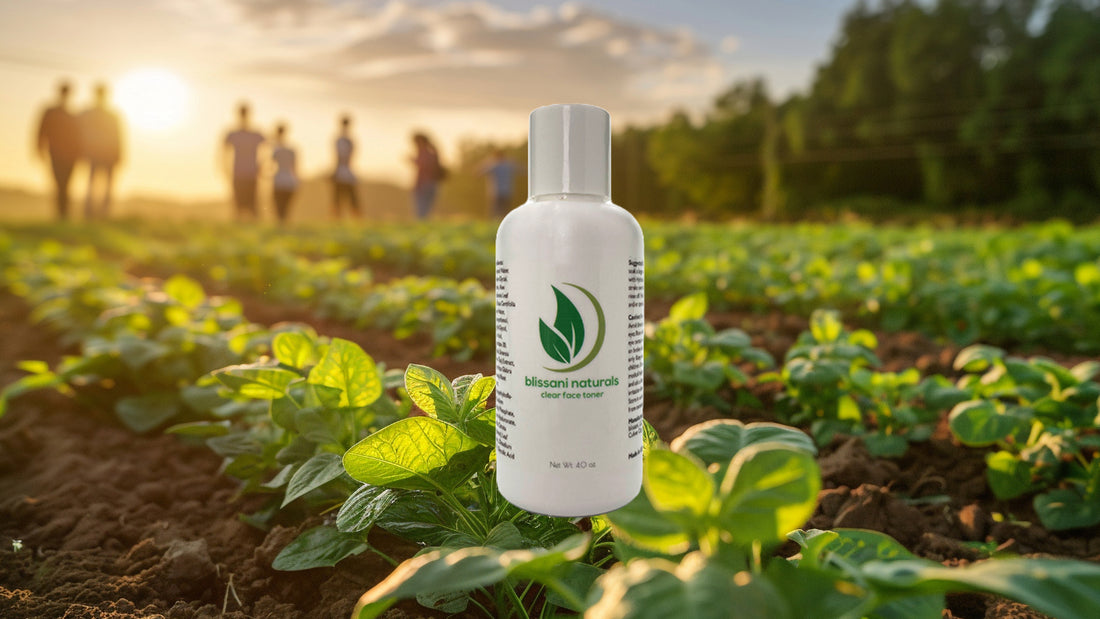
The blissani Clear Face Toner ($15) brings together witch hazel, licorice root, and green tea — another spring-friendly ingredient loaded with antioxidants that help protect skin from the increased environmental exposure that comes with spending more time outdoors. Apply it after cleansing with a cotton pad or clean hands, and let it work its balancing magic before you move on.
Step 3: Targeted Treatment — Tackle Winter Breakouts Head-On
Winter often leaves a parting gift: clogged pores, congestion, and stubborn breakouts that built up under layers of heavy product and dry indoor air. Spring is the perfect time to address those spots directly rather than covering them up or hoping they fade on their own.
Clove oil is a natural antimicrobial ingredient that targets blemish-causing bacteria without the harsh drying effect of conventional acne treatments. White willow bark is essentially nature's salicylic acid — it helps exfoliate inside the pore, reduce inflammation, and speed up healing. Together, they make a gentle but effective targeted treatment that supports clearer skin over time.
The blissani Clear Spot Solution ($16) uses both of these botanicals in a targeted formula you can apply directly to problem areas after toning. It's precise, cruelty-free, and designed to work with your skin rather than punish it.
Step 4: Lightweight Anti-Aging Hydration — Layer It Like a Pro
Spring is actually an ideal time to introduce or recommit to a good anti-aging serum. The lighter texture of a well-formulated serum layers beautifully in warmer weather — no heaviness, no greasiness, just effective actives delivered right where your skin needs them.
Vegan retinol (often derived from bakuchiol or other plant sources) works similarly to conventional retinol — stimulating collagen, improving texture, and addressing fine lines — but without the irritation that can come with synthetic retinoids. In spring, when your skin is already doing some natural renewal, this is a welcome boost.
The blissani Gemma Crema Anti-Aging Serum ($29) is formulated with 25 botanicals and vegan retinol, offering deep hydration and age-defying support in a silky, lightweight formula that absorbs quickly. For the men reading this — the Very Toney Anti-Aging Serum ($29) is specifically designed for men's skin, which tends to be thicker and oilier, but equally in need of antioxidant and anti-aging support come spring. Apply your serum after toning and spot treatment, pressing gently into the skin rather than rubbing.
Step 5: Don't Forget SPF
This one is non-negotiable. As you spend more time outdoors in spring — walking, brunching, gardening, existing joyfully in the world — your UV exposure increases significantly. Sun damage is cumulative, and it's one of the biggest contributors to premature aging and uneven skin tone.
After your serum has absorbed, finish your morning routine with a non-comedogenic SPF 30 or higher. Look for mineral sunscreens with zinc oxide if you have sensitive or breakout-prone skin — they tend to sit gently on the surface without clogging pores. Apply it as the final step before makeup (if you wear it), and reapply every two hours when you're outside.
blissani doesn't make an SPF product yet, but pairing their serums with your trusted sunscreen is a simple, smart combination for spring skin protection.
Quick Spring Skincare FAQs
How often should I change my skincare routine with the seasons?
A good rule of thumb is to reassess your routine at each major seasonal transition — roughly four times a year. You don't necessarily need entirely different products each time, but small swaps (like a lighter cleanser in spring and summer, or a richer moisturizer in fall and winter) can make a noticeable difference in how your skin looks and feels.
Is it okay to use a spot treatment and an anti-aging serum in the same routine?
Absolutely. Apply your spot treatment after toning and before your serum. Since the spot treatment is targeted to specific areas and the serum goes all over, they work at different levels without interfering with each other. Just give each step a moment to absorb before layering the next one.
My skin feels oily in spring but still gets dry patches. What should I do?
This is more common than you'd think, and it usually signals a compromised skin barrier or dehydration (not the same as dryness). Stick with gentle, non-stripping cleansers, don't over-exfoliate, and reach for a lightweight serum rather than skipping hydration altogether. Aloe-based products and antioxidant serums can help regulate oil while maintaining the moisture your skin actually needs.
A thoughtful spring skincare routine doesn't require a complete overhaul — just a few intentional swaps and additions that work with your skin's seasonal shifts. Clean up your cleansing step, tone for balance, treat what winter left behind, hydrate smartly with lightweight botanicals, and protect with SPF every single morning. Your skin did a lot of work to get through winter. Spring is its reward — and yours too.
Frequently Asked Questions
Common questions about this topic
Should I stop using my heavy winter moisturizer completely, or can I still use it sometimes in spring?
You don't need to abandon it entirely—think of it as seasonal flexibility. On cooler spring mornings or if you have particularly dry patches, your winter moisturizer can still be useful, but you'll likely find you need it less frequently as temperatures and humidity rise. The key is listening to your skin and switching to lighter formulations on warmer days.
How do I know if my skin is actually ready for a spring routine change, or if I'm just experiencing temporary spring weather fluctuations?
Give it about 2-3 weeks of consistently warmer weather and higher humidity before making major changes—spring is unpredictable, so one warm week doesn't mean summer has arrived. Watch for signs like increased oil production, congestion, or that suffocating feeling from your current products; these are reliable indicators your skin is genuinely shifting into spring mode.
If I'm switching to lighter products for spring, will my skin become dehydrated since I'm using less occlusive ingredients?
Not necessarily—spring's increased humidity actually helps your skin retain moisture naturally, so lighter hydrating products often work just as effectively as heavy ones. Focus on hydrating ingredients and don't confuse "lighter" with "less moisturizing"; a good spring serum or gel-cream can deliver hydration without the heaviness that clogs pores.