
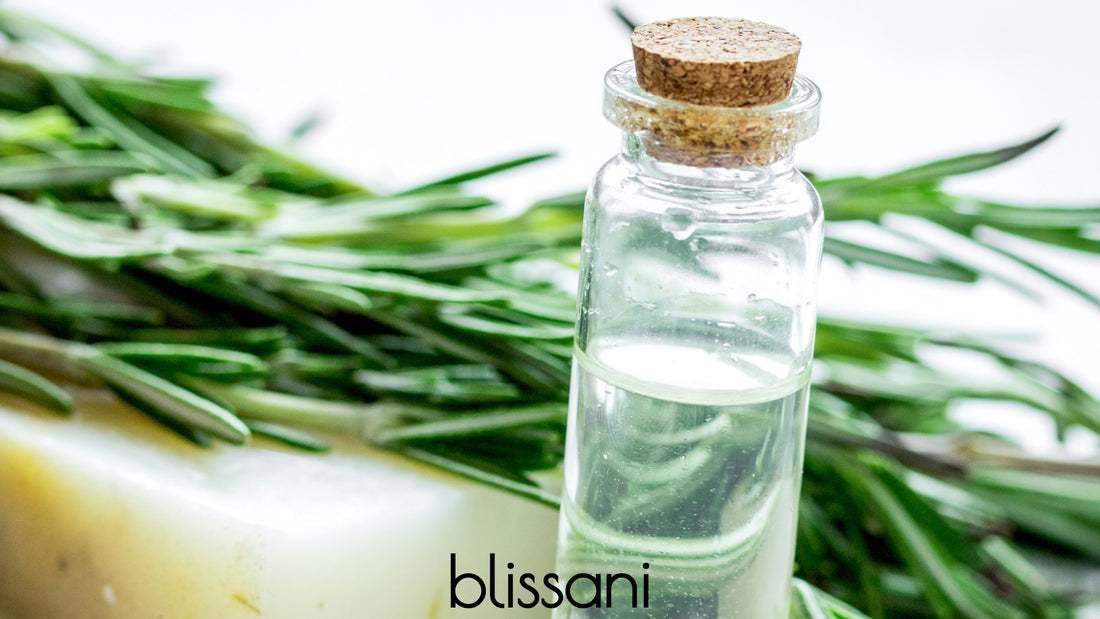
The Science Behind Rosemary Extract in Vegan Face Wash
Share
What Is Rosemary Extract and Why Does It Show Up in Vegan Face Washes?
Rosemary extract comes from the leaves of Rosmarinus officinalis, a Mediterranean herb with a well-documented history in both food preservation and traditional medicine. Its application in skincare isn't a trend — it's backed by decades of research into its chemical composition. The extract contains rosmarinic acid, carnosic acid, and carnosol, three compounds that give it antioxidant, antimicrobial, and anti-inflammatory properties that are genuinely useful in a daily face wash.
As more consumers move toward plant-based, cruelty-free routines, formulators have leaned on ingredients like rosemary extract precisely because the science holds up. It's not just a label claim — it does measurable work on your skin.
How Rosemary Extract Actually Protects Your Skin
The antioxidant activity in rosemary extract is primarily driven by rosmarinic acid and carnosic acid. These compounds neutralize free radicals — unstable molecules generated by UV exposure, air pollution, and even stress — before they can oxidize skin cells and break down collagen. Some studies have measured rosemary extract's antioxidant capacity as comparable to synthetic preservatives like BHA (butylated hydroxyanisole), but without the associated concerns around synthetic additives.
Carnosol, another active compound in rosemary extract, has shown meaningful anti-inflammatory activity in multiple studies by inhibiting the production of pro-inflammatory cytokines. In plain terms: it helps calm the skin response that leads to redness, swelling, and the kind of low-grade irritation that worsens acne or sensitive skin conditions over time.
Rosemary extract also has demonstrated antimicrobial properties against Staphylococcus epidermidis and Cutibacterium acnes (formerly known as Propionibacterium acnes), the bacteria most closely linked to acne breakouts. This makes it a functionally sound ingredient in a face wash targeting blemish-prone skin.
What This Means for Acne-Prone and Sensitive Skin
Acne has two main drivers: excess sebum production and bacterial colonization of the follicle. Rosemary extract addresses the bacterial side of that equation without stripping the skin's moisture barrier the way harsh surfactants or high-concentration benzoyl peroxide can. That matters especially if your skin sits in the difficult middle ground — breaking out, but also reactive and prone to dryness.
The anti-inflammatory compounds in rosemary extract help reduce the visible redness around active breakouts and may support faster resolution of post-inflammatory hyperpigmentation by limiting the initial inflammatory cascade. It won't replace a dedicated acne treatment for severe cases, but as a daily cleansing ingredient it creates a cleaner, calmer baseline for your skin.
The blissani Clear Face Wash pairs rosemary extract with other plant-based ingredients in a formulation that's vegan, cruelty-free, and made in the US — worth considering if you're looking for a gentle daily cleanser that doesn't compromise on active botanical ingredients.
Rosemary Extract vs. Synthetic Alternatives: What's the Real Difference?
Synthetic antioxidants like BHA and BHT are effective, but they've faced regulatory scrutiny in several countries over concerns about endocrine disruption and bioaccumulation. Rosemary extract offers a comparable antioxidant function — stabilizing formulas and protecting skin — with a cleaner safety profile and full biodegradability.
From a formulation standpoint, rosemary extract also acts as a natural preservative booster. It can extend the shelf life of plant-oil-based products by slowing oxidative rancidity, which means brands using it often need fewer synthetic stabilizers elsewhere in the formula. That's a practical benefit for clean beauty formulations, not just a marketing angle.
One honest trade-off: the concentration of active compounds in rosemary extract varies by extraction method and source quality. CO2 extraction tends to yield higher concentrations of carnosic acid and carnosol than steam distillation. When evaluating a product, it's worth looking at where rosemary extract falls on the ingredient list and whether the brand is transparent about sourcing — both are reasonable signals of formula quality.
How to Get the Most Out of a Rosemary-Based Face Wash
Face wash is a rinse-off product, which means the contact time with your skin is short — typically 30 to 60 seconds. To get real benefit from the active compounds in rosemary extract, don't rush the rinse. Massage the cleanser into damp skin for at least 30 seconds before washing off, which gives the antimicrobial and anti-inflammatory compounds time to interact with the skin surface and follicle openings.
Water temperature matters too. Hot water disrupts the skin's lipid barrier and can trigger more oil production as compensation. Use lukewarm water, which is warm enough to help the cleanser work without the barrier damage.
Pair your cleanser with a toner or treatment product if you're dealing with persistent breakouts. A cleanser sets the foundation — clear pores, reduced bacteria, calmer surface inflammation — but it won't do everything alone.
The Bottom Line on Rosemary Extract in Skincare
Rosemary extract earns its place in vegan face washes because of specific, well-researched compounds — rosmarinic acid, carnosic acid, and carnosol — that address real skin concerns: oxidative stress, bacterial overgrowth, and inflammation. It's not a miracle ingredient, but it's a reliable, plant-derived one that fits naturally into a clean, cruelty-free routine.
If you're rebuilding your skincare routine around ingredients you can actually verify, start with your cleanser. It's the step you repeat twice a day, every day — getting that formula right creates a foundation everything else builds on.
How Rosemary Extract Fits Into a Broader Vegan Skincare Routine
A face wash is rarely the only product touching your skin in a given morning or evening routine. Understanding how rosemary extract interacts with what comes after it matters if you want consistent results rather than a collection of products that cancel each other out.
After cleansing, a toner is typically the next step, and it's where you can reinforce what the face wash started. If your cleanser has done its job — reduced surface bacteria, calmed early inflammation, cleared the pore opening — a well-formulated toner can extend that work by rebalancing your skin's pH and delivering additional actives directly to a clean surface. Products with witch hazel, niacinamide, or additional plant-based antimicrobials work in the same direction as rosemary extract rather than against it.
Treatment products like spot solutions come after toner on a cleansed, balanced surface. If you're working through a routine with rosemary extract as the cleansing base, you're setting up those later steps to perform better. A calm, clean skin surface absorbs active ingredients more evenly than one that's irritated or coated in residual sebum and debris.
The practical note here: consistency across your routine matters more than any single ingredient. Rosemary extract in your face wash contributes a real but limited benefit on its own. That benefit compounds when the rest of your routine is equally deliberate — toner, treatment, and moisturizer each doing specific work rather than overlapping randomly.
What to Look for on the Label When Buying a Rosemary-Based Face Wash
Ingredient lists are regulated in the US, so every component in a face wash has to be disclosed — but they don't tell you everything. Here's what's actually worth checking when evaluating a rosemary-based cleanser.
First, ingredient order. Cosmetic ingredients are listed in descending order of concentration. If rosemary extract appears near the end of a long list, it's likely present at a low enough concentration that its functional benefits are minimal. That doesn't automatically disqualify a product, but it's worth noting. A formulation where rosemary extract appears in the first half of the ingredient list is more likely to deliver meaningful skin contact.
Second, the ingredient name itself. On compliant US labels, you'll typically see "Rosmarinus Officinalis (Rosemary) Leaf Extract" — the INCI (International Nomenclature of Cosmetic Ingredients) name. Vague language like "rosemary essence" or "botanical blend" without further specification is a reason to ask questions.
Third, what else is in the formula. Rosemary extract works best when it's not surrounded by ingredients that undermine it — high concentrations of alcohol can dry the skin to the point where the anti-inflammatory benefits are offset, and certain synthetic fragrances can trigger the same inflammation rosemary extract is trying to reduce. A cleanser built around genuinely complementary plant-based ingredients, like the blissani Clear Face Wash, gives rosemary extract room to function rather than fighting against the rest of the formula.
The Shelf Life Question: Why Rosemary Extract Matters Beyond Your Skin
There's an aspect of rosemary extract's role in skincare formulations that rarely gets discussed in product marketing but is worth understanding: its function as a natural antioxidant stabilizer for the formula itself, not just your skin.
Plant-oil-based face washes and serums are prone to oxidative degradation over time. When oils oxidize, they go rancid — and applying a rancid product to your skin introduces the very free radical damage you're trying to prevent. Synthetic preservatives like BHT and BHA have historically been used to slow this process, but rosemary extract can perform a similar stabilizing function without the regulatory concerns those synthetics carry.
This dual role — protecting your skin from oxidative stress while also protecting the product's integrity — makes rosemary extract particularly valuable in clean beauty formulations where the goal is to minimize synthetic additives without sacrificing stability. A face wash that degrades rapidly or requires heavy synthetic preservation to stay shelf-stable isn't a clean formulation in any meaningful sense, regardless of what the front label says.
For this reason, rosemary extract showing up in a vegan or clean-beauty face wash isn't just an active skin benefit — it's also a sign of thoughtful formulation. It suggests the brand is thinking about stability in a way that reduces the need for less desirable alternatives elsewhere in the product.
When choosing a daily face wash, prioritize formulas where the active botanicals are high enough on the ingredient list to be functional, and where the supporting cast of ingredients works in the same direction. A cleanser you use twice a day has more cumulative impact on your skin than almost any other product in your routine — that repetition is reason enough to be deliberate about what goes into it.
Frequently Asked Questions
Common questions about this topic
Does rosemary extract in face wash actually work, or is it just for marketing purposes?
It's not just marketing — the science is legitimate. The article explains that rosemary extract contains rosmarinic acid, carnosic acid, and carnosol, which have been studied for decades and have measurable antioxidant, antimicrobial, and anti-inflammatory effects that genuinely benefit your skin.
Will rosemary extract face wash help protect my skin from pollution and UV damage?
Yes, rosmarinic acid and carnosic acid in rosemary extract neutralize free radicals created by UV exposure and air pollution before they can break down collagen and damage skin cells. This antioxidant protection is one of the primary ways rosemary extract works in your daily routine.
Why do vegan skincare brands specifically choose rosemary extract over other plant-based alternatives?
Formulators have leaned on rosemary extract for vegan products because the scientific research actually backs it up, unlike many plant ingredients that are purely marketing claims. It delivers real, measurable results while fitting the plant-based, cruelty-free philosophy that vegan skincare brands promote.