
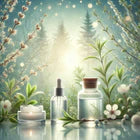
Natural Acne Treatment: The Power of Witch Hazel & Willow Bark
Witch hazel and willow bark have been used to treat inflamed, acne-prone skin for centuries — and modern dermatology has largely caught up with why they work. Both ingredients target the root causes of breakouts: excess oil, bacteria, and inflammation, without the harsh side effects that come with benzoyl peroxide or synthetic astringents.
blissani's Naturals Acne Treatment combines these two botanicals with other plant-based actives to give blemish-prone skin real, consistent results. If you've been cycling through products that either do nothing or wreck your skin barrier, it's worth understanding exactly what these ingredients do and why the combination matters.
White Willow Bark Extract: Nature's Salicylic Acid
White willow bark extract is another standout ingredient in Blissani Naturals Clear Spot Treatment. This extract is packed with salicin, a natural compound that converts into salicylic acid in the body. Salicylic acid is widely recognized for its ability to exfoliate the skin, unclog pores, and diminish acne. The natural origin of salicylic acid from white willow bark makes it a gentler alternative for those with sensitive skin. Explore how white willow bark compares to other acne treatments.

How These Ingredients Work Together
The synergy between witch hazel and white willow bark is the cornerstone of Blissani Naturals Clear Spot Treatment. Witch hazel's astringent properties tighten the skin and reduce excess oil, creating an environment less conducive to acne. Meanwhile, the exfoliating action of white willow bark works to clear clogged pores, reducing the severity and duration of breakouts. Together, these ingredients form a powerful duo in the battle against acne, helping to keep your skin clear and healthy.
The Role of Clove Oil and Other Botanicals
Blissani Naturals Clear Spot Treatment doesn't just rely on witch hazel and white willow bark. It also includes clove oil, which is known for its potent antibacterial properties, as well as a range of other botanical extracts that soothe the skin and promote healing. These ingredients work together to enhance the overall effectiveness of the treatment, ensuring that your skin is not only clear but also well-nourished and protected. Discover the benefits of clove oil in acne treatment.
Why Choose Vegan and Cruelty-Free Skincare?
Blissani Naturals is dedicated to providing skincare solutions that are both effective and ethical. All of their products are vegan, meaning they contain no animal-derived ingredients, and are certified cruelty-free, ensuring that no animals are harmed during the production process. By choosing products like the Blissani Naturals Clear Spot Treatment, you're supporting a brand that aligns with your values, offering skincare that's as kind to the planet as it is to your skin.
How to Incorporate Blissani Naturals Clear Spot Treatment into Your Routine
For optimal results, incorporate Blissani Naturals Clear Spot Treatment into your daily skincare regimen. After cleansing and toning, apply a small amount of the treatment directly to affected areas. Allow it to absorb fully before continuing with your moisturizer or sunscreen. This treatment can be used both morning and night to keep blemishes at bay and maintain clear, healthy skin.
Conclusion
Choosing Blissani Naturals Clear Spot Treatment means investing in a product that not only effectively targets acne but also aligns with your ethical values. With the combined power of witch hazel, white willow bark, clove oil, and other botanicals, you can achieve clear, healthy skin naturally and responsibly.

Frequently Asked Questions
Common questions about this topic
Is witch hazel and willow bark safe to use if I have sensitive skin?
Yes, both ingredients are gentler alternatives to harsh synthetics like benzoyl peroxide. White willow bark naturally converts into salicylic acid in your body, making it less irritating than synthetic versions, while witch hazel reduces inflammation without stripping your skin barrier.
How long does it typically take to see results from witch hazel and willow bark acne treatments?
The article doesn't specify an exact timeline, but it emphasizes that these ingredients provide "real, consistent results" by targeting root causes like excess oil, bacteria, and inflammation. Results vary by individual, but botanical actives generally require consistent use over several weeks to show noticeable improvement.
Can I use witch hazel and willow bark together, or should I alternate between them?
The article highlights that the combination of witch hazel and willow bark together is what matters most—Blissani's formula deliberately combines both ingredients because they work synergistically to address multiple acne causes simultaneously, making them more effective together than separately.
Featured in This Article
blissani Clear Spot Solution
Vegan · Cruelty-Free · Made in USA
Formulated powered by clove oil — $16
Shop Now →Free shipping in the Continental USA · 30-day money-back guarantee
Natural Acne Ingredients vs. Conventional Alternatives
One of the most common questions people ask when switching to natural skincare is whether plant-based ingredients actually hold their own against conventional acne treatments. The short answer is yes — and in many cases, they do so with fewer side effects.
Synthetic salicylic acid, the kind found in many drugstore acne products, is a lab-created version of the same compound that occurs naturally in white willow bark. The synthetic version works, but it can be harsh — leading to dryness, peeling, and redness, particularly for those with sensitive or combination skin. White willow bark delivers salicin in a slower-releasing form that the body converts gradually, which tends to be easier on the skin barrier while still clearing congested pores over time.
Benzoyl peroxide is another conventional go-to for acne, widely used to kill acne-causing bacteria. While effective, it is also well-documented for bleaching fabrics, causing significant dryness, and triggering irritation in a large portion of users. Clove oil, by contrast, carries natural antibacterial properties without the same level of collateral irritation. It works more gently while still creating an environment on the skin that is less hospitable to the bacteria responsible for breakouts.
Alcohol-based toners were once the default way to control oil and tighten pores, but dermatologists have largely moved away from recommending them because they strip the skin's moisture barrier. Witch hazel achieves similar results — reducing excess sebum and minimizing the appearance of pores — without the drying, destabilizing effect of high-alcohol formulations. This is part of why witch hazel has become a staple in modern natural skincare rather than a passing trend.
The broader point is that natural ingredients are not simply a softer substitute for conventional ones. In many formulations, they address the same underlying causes of acne — excess oil, clogged pores, bacterial overgrowth, and inflammation — through mechanisms that work with the skin rather than against it.
Building a Complete Natural Acne Routine
A spot treatment works best as part of a consistent, well-sequenced skincare routine rather than as a standalone fix. Targeting individual blemishes is important, but keeping the rest of the skin balanced and clean is what prevents new ones from forming in the first place.
Start with a gentle face wash formulated for acne-prone skin. The goal at the cleansing step is to remove excess oil, makeup, and environmental debris without over-stripping the skin. Over-cleansing is a surprisingly common mistake — when the skin is stripped too aggressively, it compensates by producing even more oil, which can actually worsen breakouts.
After cleansing, toning is the step that many people skip, but it makes a meaningful difference for blemish-prone skin. A good toner helps restore the skin's pH balance after washing, preps the skin to absorb what comes next, and — when formulated with the right ingredients — continues the work of controlling oil and inflammation. The blissani Clear Face Toner is built around witch hazel and botanical extracts, making it a natural complement to the Clear Spot Solution in a routine designed for acne-prone skin. Using both together means the skin is getting consistent exposure to witch hazel's pore-tightening and anti-inflammatory benefits at two different points in the routine.
After toning, apply the spot treatment directly to any active blemishes or areas of concern. Follow with a lightweight, non-comedogenic moisturizer to keep the skin barrier intact. Even oily and acne-prone skin needs hydration — skipping moisturizer often triggers more oil production as the skin tries to compensate for dryness.
In the morning, finish with a broad-spectrum SPF. Sun exposure can worsen post-acne dark spots and slow the skin's healing process, so sun protection is not optional when you're actively treating breakouts.
What to Look for on a Natural Acne Product Label
The natural skincare market is large and not uniformly regulated, which means that terms like "natural," "botanical," and even "clean" can appear on products that don't necessarily back them up with meaningful formulations. Knowing what to look for on an ingredient list helps you make better choices.
When evaluating an acne product that claims to use natural ingredients, look for witch hazel (listed as Hamamelis virginiana water or extract) and white willow bark extract (Salix alba) near the top of the ingredient list. Ingredients are listed in descending order of concentration, so placement matters. If these active botanicals appear toward the very bottom of a long ingredient list, their concentration may be too low to have a meaningful effect.
For antibacterial support, clove bud oil (Eugenia caryophyllus) is a strong signal that a formula is taking a thoughtful approach to acne-causing bacteria. Tea tree oil (Melaleuca alternifolia) is another well-researched natural antibacterial worth looking for.
Also pay attention to what is not in the product. Alcohol listed as one of the first ingredients can undermine an otherwise natural formula by stripping the skin barrier. Artificial fragrance, even in natural-leaning products, is a common irritant that can trigger breakouts in sensitive skin — look for products that use essential oils for scent instead, or no added fragrance at all.
Finally, certifications matter. Vegan and cruelty-free certifications from recognized third parties offer meaningful assurance that the product aligns with those values throughout its supply chain, not just in its marketing language. blissani products are both vegan and cruelty-free, and are made in the USA — a combination that reflects a consistent commitment to ethical, transparent formulation.
If you're starting with natural acne care, the most practical approach is to build a simple routine with a few well-formulated products rather than layering on multiple treatments at once. A cleanser, a witch hazel-based toner, and a targeted spot treatment cover the core needs of acne-prone skin — and give you a clear baseline to evaluate what's working before adding anything else.