
Unlocking Witch Hazel Toner Benefits For Glowing Skin
Share
What Is Witch Hazel and Why Does It Work as a Toner?
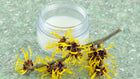
Witch hazel comes from the bark and leaves of Hamamelis virginiana, a shrub native to North America. The extract contains tannins — naturally occurring polyphenols that act as astringents by temporarily tightening skin tissue and reducing excess oil on the surface. It also contains gallic acid and flavonoids with documented anti-inflammatory and antioxidant activity. That combination is why witch hazel has been used in topical skincare for well over a century, and why it remains a genuinely useful toner ingredient rather than just a trend.
When applied after cleansing, a witch hazel toner removes residual cleanser, sebum, and environmental debris that a face wash can leave behind. It also restores skin's pH closer to its natural range of 4.5–5.5 after washing, which helps your moisturizer or serum absorb more effectively.
The Real Benefits — and the Limits
Witch hazel toner does several things well. Its tannins bind to proteins in the skin's surface layer, which visibly tightens large pores and reduces shine — especially useful for oily and combination skin types. The anti-inflammatory compounds help calm redness after breakouts, shaving irritation, or minor environmental exposure. And its mild antibacterial properties make it a reasonable first line of defense against acne-causing bacteria like Cutibacterium acnes.
One common misconception: witch hazel is drying. That's mostly true of formulas that combine high concentrations of witch hazel with alcohol (ethanol), which strips the skin barrier. A well-formulated witch hazel toner uses distilled witch hazel extract without high alcohol content, or pairs it with hydrating ingredients like aloe vera or glycerin to keep the barrier intact. If a toner leaves your skin feeling tight or flaky, the alcohol — not the witch hazel itself — is usually the problem.
Worth being clear about: witch hazel is not a replacement for SPF. Some sources claim it offers UV protection, but any shielding effect is negligible. Use a dedicated broad-spectrum sunscreen every morning, and let your toner do what it actually does well.
How to Use Witch Hazel Toner Correctly
The application step matters more than most people think. After cleansing with lukewarm water, pat your face almost dry — leaving it slightly damp helps the toner absorb evenly. Apply the toner to a cotton pad and swipe gently across your forehead, nose, chin, and cheeks, avoiding the eye area. Alternatively, you can press it in with clean hands if you want a more hydrating application and less product waste.
Use it once or twice daily depending on your skin type. Oily or acne-prone skin usually tolerates twice-daily use well. Dry or sensitive skin often does better with once-daily use in the morning or evening, not both. Follow immediately with a moisturizer or serum while skin is still slightly tacit — that layering sequence locks in hydration and keeps the barrier functioning properly.
If you want a ready-to-use option formulated for sensitive and acne-prone skin, the blissani Clear Face Toner combines witch hazel with soothing botanicals — it's vegan, cruelty-free, and made in the US, so you know exactly what's going into the formula and onto your skin.
Pairing Witch Hazel Toner With Other Actives
Witch hazel plays well with most skincare actives when you sequence them thoughtfully. Apply your toner first on clean skin, then layer from thinnest to thickest consistency: serums, then moisturizer, then any occlusive or SPF.
A few combinations worth knowing:
Niacinamide: A great pairing. Niacinamide regulates sebum production and strengthens the skin barrier, which complements witch hazel's pore-tightening effect without irritation.
Salicylic acid: Both target acne and oiliness, but using high concentrations of both at the same time can over-exfoliate. If your toner already contains salicylic acid, you don't need to add a separate BHA serum. Pick one or the other for daily use.
Retinol or retinoids: Apply witch hazel toner first, let it dry, then apply your retinol product. Don't combine them on the same cotton pad — retinoids are sensitive to oxidation and can degrade faster with unnecessary friction or mixing.
Vitamin C: Fine to use in the same routine, but apply vitamin C serum after the toner has fully dried, as an acidic environment can affect its stability.
Choosing a Witch Hazel Toner That's Actually Good for Your Skin
Not all witch hazel toners are created equal. Here's what to look for on the label:
Skip: Formulas that list SD alcohol, denatured alcohol, or isopropyl alcohol high on the ingredient list. These can disrupt the skin barrier and cause rebound oiliness over time.
Look for: Distilled witch hazel extract (sometimes listed as Hamamelis virginiana water or leaf extract), paired with hydrating ingredients like aloe barbadensis, hyaluronic acid, or glycerin. Added botanicals such as green tea extract, chamomile, or calendula provide additional anti-inflammatory support.
Consider your skin type: Oily or combination skin benefits most from straight witch hazel formulas. Dry or sensitive skin needs a formula that also includes barrier-supporting ingredients — or a lighter application frequency.
It's also worth knowing whether the product is made with clean, traceable ingredients. Vegan and cruelty-free formulations like the blissani Clear Face Toner skip unnecessary fillers and animal-derived ingredients, which keeps the formula simpler and better suited to reactive skin.
A Practical Takeaway
Witch hazel toner is one of the more straightforward, well-supported ingredients in natural skincare. It tightens pores, controls oil, reduces inflammation, and preps your skin for whatever comes next in your routine. The key is choosing a formula without high alcohol content, using it consistently rather than occasionally, and layering it correctly before your actives and moisturizer. Get those three things right, and a witch hazel toner earns its place in your daily routine.
Frequently Asked Questions
Common questions about this topic
Will witch hazel toner actually shrink my pores permanently, or is it just a temporary effect?
Witch hazel temporarily tightens pores through its tannin content binding to skin proteins, which reduces their appearance and shine — but it won't permanently shrink them since pore size is genetically determined. The tightening effect lasts only while the product is on your skin, so you'd need to use it regularly to maintain the visual benefit.
Can I use witch hazel toner if I have sensitive or dry skin, or is it only for oily skin?
While witch hazel is most beneficial for oily and combination skin due to its oil-reducing properties, the anti-inflammatory compounds can help calm redness for sensitive skin types too. However, the astringent tannins may be too drying for dry skin, so it's best to patch test first or use it only on oily zones if you have mixed skin.
Does witch hazel actually restore my skin's pH after cleansing, and why does that matter for my routine?
Yes — witch hazel brings your skin's pH closer to its natural 4.5–5.5 range after washing, which helps your follow-up moisturizer or serum absorb more effectively rather than sitting on the surface. This pH balancing is why applying toner before other products optimizes the performance of your entire skincare routine.