
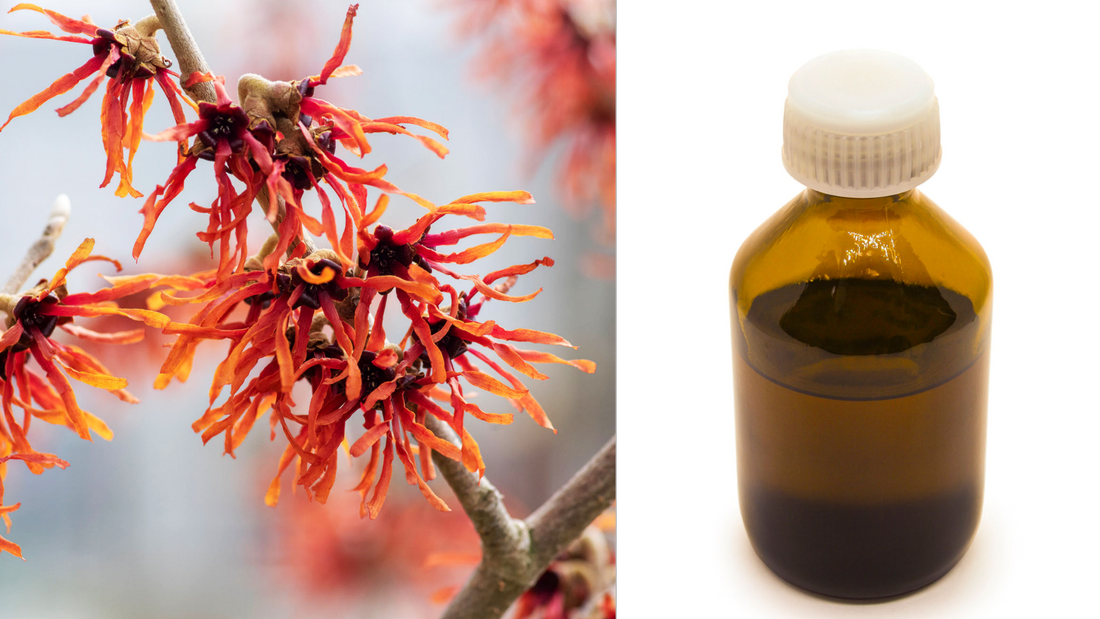
Witch Hazel Toner vs Alcohol-Based Toners
Share
Why Witch Hazel Toner Outperforms Alcohol-Based Toners
Alcohol-based toners have been a staple in skincare routines for decades, and they do produce results — at first. The problem is what happens over time. That tight, clean feeling you get right after applying an alcohol-based toner? It's often your skin being stripped of its natural oils, not actually being balanced or healed. Witch hazel toner works differently, and once you understand the chemistry behind both options, the choice becomes pretty straightforward.
What Alcohol Actually Does to Your Skin
Not all alcohols are created equal, and that distinction matters. The fatty alcohols and simple alcohols found in many moisturizers — like cetyl alcohol or stearyl alcohol — are generally safe and even beneficial. They help emulsify ingredients and deliver nutrients deeper into the skin without causing damage.
The problem with most alcohol-based toners is that they rely on aromatic alcohols like ethanol, isopropyl alcohol, or denatured alcohol. These work as solvents and astringents, cutting through oil and temporarily tightening pores. That sounds useful, but the mechanism is destructive. Aromatic alcohols dissolve the lipid barrier your skin depends on to retain moisture and stay balanced.
When that barrier breaks down, your skin's pH — which ideally sits between 4.5 and 5.5 — gets thrown off. Your skin overcompensates by producing more oil, which can lead to clogged pores, breakouts, and accelerated signs of aging. You end up using a product to fix acne that's quietly making your acne worse in the long run. That's a frustrating loop a lot of people don't realize they're stuck in.
How Witch Hazel Toner Actually Works
Witch hazel (Hamamelis virginiana) is a plant native to North America. Its leaves and bark contain tannins — naturally occurring polyphenols with real astringent properties. These tannins tighten pores and reduce inflammation without stripping your skin's lipid barrier the way aromatic alcohols do.
Witch hazel also contains gallic acid and various flavonoids that act as antioxidants, helping to neutralize free radicals that contribute to fine lines and uneven skin tone. Studies have shown that witch hazel extract can reduce skin inflammation by inhibiting certain enzymes that break down collagen. That makes it genuinely useful for both acne-prone skin and aging skin — two concerns that often overlap.
Because witch hazel works with your skin's natural pH rather than against it, it helps restore balance rather than disrupt it. After cleansing or shaving — when your pores are open and your skin is prepped — witch hazel can exfoliate dead skin cells and calm irritation without triggering that oil-overproduction cycle that alcohol-based toners often cause.
The Vegan Skincare Angle
For anyone committed to cruelty-free and vegan skincare, there's another layer to this conversation. Some alcohols used in cosmetics are derived from animal sources — lanolin-based alcohols, for example, come from sheep's wool. Even when the alcohol itself isn't animal-derived, many conventional toner formulas have been tested on animals at some point in their development.
Witch hazel is plant-derived and has a long, well-documented history of safe use. When it's sourced from a reputable supplier and formulated without animal byproducts, it fits cleanly into a vegan skincare routine. That's one reason it became a cornerstone ingredient in the blissani Naturals Clear Face Toner — a vegan, cruelty-free formula made in the US that pairs witch hazel with licorice root for dark spot reduction, green tea extract for antioxidant protection against wrinkles, and aloe vera to soothe and support skin healing.
Where Toner Fits in Your Skincare Routine
Toner is step two. That's it — it's not complicated. You cleanse first (step one), tone second, then moisturize or apply your treatment serum third. During the day, follow up with a moisturizer that has SPF. At night, that's when you'd use an anti-aging serum like retinol or a peptide-based formula.
To apply a witch hazel toner, pour a small amount onto a cotton round and swipe it across your face in one thin layer after cleansing or shaving. You don't need to rinse it off. If you want to go the DIY route and just use straight organic witch hazel from a natural supplier you trust, that works too — you'll get the core benefits without any additional ingredients.
The blissani Clear Face Toner takes that base further with the addition of targeted ingredients for acne and early signs of aging. If dark spots, redness, or fine lines are part of what you're dealing with, those added botanicals do meaningful work beyond what witch hazel alone provides.
Which One Should You Actually Use?
If you're currently using an alcohol-based toner and your skin feels tight, dry, or is breaking out more than you'd expect, the toner may be the culprit. Switching to a witch hazel-based formula for four to six weeks is a reasonable test. Most people notice less irritation, fewer breakouts, and better overall skin texture within that window.
Alcohol-based toners aren't universally harmful — if you have extremely oily skin and you're using one that contains a low concentration of ethanol alongside soothing ingredients, it may not be causing damage. But for most skin types, especially combination, dry, or sensitive skin, they're more aggressive than the situation calls for.
Witch hazel toner delivers the exfoliation and pore-tightening you want from a toner without the pH disruption and barrier damage that aromatic alcohols cause. It's a botanically sound option that fits well within a clean, vegan skincare routine — and the evidence behind it is solid enough that it's been used medicinally for centuries.
The short version: swap your alcohol-based toner for a quality witch hazel formula, apply it after cleansing on a cotton round, and give your skin a few weeks to recalibrate. That's really all it takes to get toner working for you instead of against you.
Frequently Asked Questions
Common questions about this topic
Is witch hazel toner safe for all skin types, or does it work better for certain conditions?
While the article doesn't specify, witch hazel toner is generally gentler than alcohol-based options and works well for most skin types because it doesn't strip the skin's natural oils like aromatic alcohols do. However, the effectiveness may vary depending on your specific skin concerns and sensitivity level—those with very dry or compromised skin barriers would likely benefit most from avoiding the harsh astringents in alcohol-based toners.
If alcohol-based toners strip your skin, why do they feel so clean and tight?
That tight, clean feeling is actually your skin being stripped of its protective natural oils, not your pores being balanced. Aromatic alcohols like ethanol and isopropyl alcohol work as solvents that dissolve oils and temporarily shrink pores, which creates the sensation of cleanliness—but this is a destructive mechanism that damages your skin over time rather than healing it.
Are the fatty alcohols mentioned (like cetyl alcohol) found in witch hazel toners too?
The article distinguishes between harmful aromatic alcohols in alcohol-based toners and beneficial fatty alcohols used in moisturizers, but doesn't specify the exact ingredients in witch hazel formulas. You should check your witch hazel toner's ingredient list to see if it contains any fatty alcohols, as these are safe and can actually help deliver nutrients into your skin.