
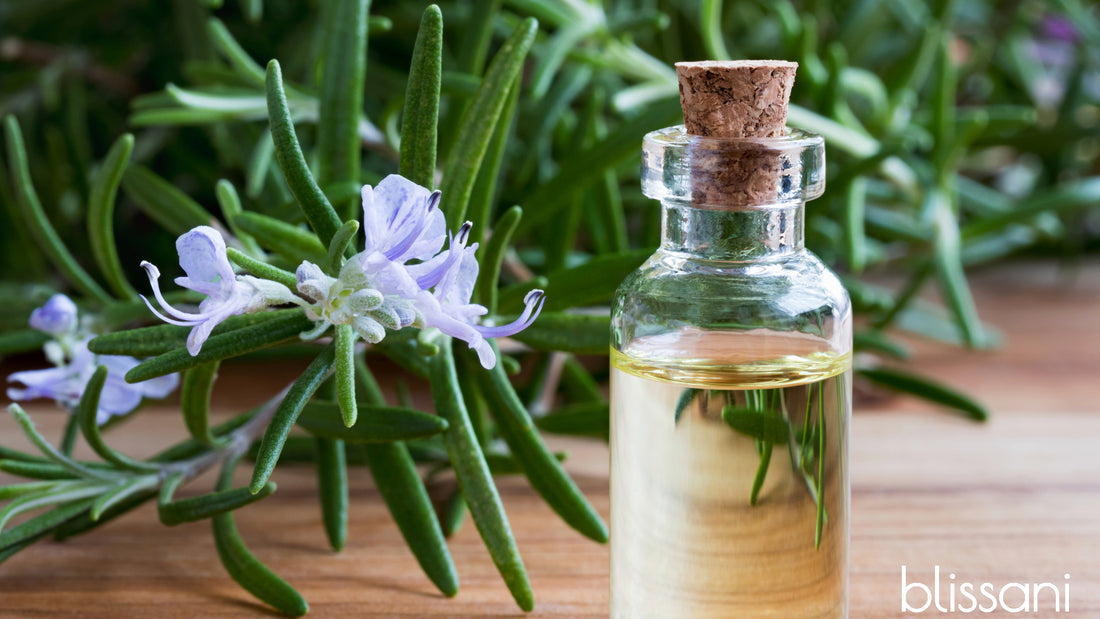
Unlocking Vegan Face Wash Benefits for Radiant Skin
Share
Vegan Face Wash Benefits: What Your Skin Actually Gets
More people are switching to vegan skincare — and not just for ethical reasons. Vegan face washes tend to be formulated with plant-based ingredients that work with your skin's natural chemistry rather than against it. If you've been curious about what the switch actually means for your skin (and your conscience), here's a straightforward breakdown.
What Makes a Face Wash "Vegan"?
A vegan face wash contains no animal-derived ingredients. That rules out common skincare additives like lanolin (from sheep's wool), stearic acid sourced from animal fat, collagen derived from livestock, and honey or beeswax. Instead, vegan formulas rely on plant oils, botanical extracts, and naturally derived cleansing agents.
Vegan also means cruelty-free in most reputable formulations — no animal testing at any stage of development. Blissani products, for example, are fully vegan and cruelty-free, and they're made in the US, which adds another layer of manufacturing accountability.
How Vegan Ingredients Actually Benefit Your Skin
The real case for vegan face wash isn't just ethical — it's biochemical. Plant-based ingredients tend to be rich in antioxidants, fatty acids, and vitamins that support skin health in measurable ways.
Take rosehip oil, a key ingredient in the blissani Naturals Clear Face Wash. Rosehip oil contains roughly 80% essential fatty acids — primarily linoleic acid (omega-6) and alpha-linolenic acid (omega-3). These fatty acids help reinforce the skin's lipid barrier, which reduces moisture loss and keeps skin from becoming tight or flaky after washing. Rosehip oil also contains trans-retinoic acid, a naturally occurring form of vitamin A that supports cell turnover without the harshness of synthetic retinoids.
Many vegan cleansers also use plant-derived surfactants — cleansing agents sourced from coconut or corn — rather than sulfates like sodium lauryl sulfate (SLS). SLS is effective at removing oil, but it can strip the skin's natural sebum and disrupt its pH, which normally sits between 4.5 and 5.5. Maintaining that slightly acidic environment is critical for keeping the skin's microbiome balanced and reducing sensitivity over time.
Is Vegan Face Wash Good for Acne-Prone Skin?
Yes, and there are specific reasons why. Acne-prone skin is often already inflamed and reactive, so aggressive cleansers that disrupt the skin barrier tend to make breakouts worse — not better. Vegan face washes formulated for acne typically take a gentler approach while still delivering active results.
Rosehip oil, again, is worth highlighting here. It has a comedogenic rating of 1 on a scale of 0–5, meaning it's highly unlikely to clog pores. Its anti-inflammatory properties — attributed to polyphenols and carotenoids — help calm the redness and swelling around active breakouts. Some research also points to linoleic acid deficiency as a contributing factor in acne development, since lower levels of this fatty acid in sebum are associated with more comedone formation.
Botanical extracts commonly found in vegan cleansers, such as green tea extract, willow bark, and aloe vera, also bring value. Willow bark is a natural source of salicin, which the skin converts into salicylic acid — a beta hydroxy acid known for clearing pores. Green tea extract provides EGCG (epigallocatechin gallate), one of the more potent antioxidants studied in dermatology for reducing sebum oxidation and bacterial growth linked to acne.
Sensitive Skin and the Case for Cleaner Formulas
Synthetic fragrances and dyes are among the most common triggers for contact dermatitis and skin sensitivity. These ingredients show up frequently in conventional face washes but are generally absent from quality vegan formulas. The European Scientific Committee on Consumer Safety has flagged over 80 fragrance ingredients as potential allergens — a good reason to pay attention to what's in your cleanser.
Vegan face washes designed for sensitive or reactive skin typically avoid artificial fragrance entirely, relying instead on the mild natural scent of their plant-based ingredients or leaving the product fragrance-free altogether. For people with eczema, rosacea, or general skin reactivity, this makes a real difference in day-to-day comfort.
Environmental Impact: Why the Ingredients List Matters Beyond Your Skin
When a face wash goes down the drain, its ingredients enter the water supply. Synthetic preservatives like parabens and certain UV filters have been detected in waterways and marine organisms. Plant-based formulas generally biodegrade more readily, reducing their environmental footprint at the end of their lifecycle.
Sustainably sourced plant oils and extracts also tend to support more responsible agricultural practices — especially when brands are transparent about sourcing. Choosing a product made in the US, like blissani's line, also means tighter regulatory oversight compared to products manufactured in regions with less stringent ingredient safety or labor standards.
How to Get the Most Out of a Vegan Face Wash
Even the best cleanser won't perform well if it's used incorrectly. A few practical notes:
- Water temperature matters. Use lukewarm water — hot water increases transepidermal water loss and can aggravate sensitivity.
- Don't over-cleanse. Twice a day is typically sufficient. Washing more frequently strips the skin's acid mantle and can trigger excess oil production as compensation.
- Give the formula time to work. Massage the cleanser in for at least 30–60 seconds before rinsing to allow active ingredients to make contact with the skin.
- Follow with a toner or moisturizer. A face wash is step one, not a complete routine. Pairing it with a compatible toner helps restore pH balance after cleansing.
If you're looking for a straightforward starting point, the blissani Naturals Clear Face Wash at $18 is a solid option — vegan, US-made, formulated with rosehip oil, and designed to work for both acne-prone and sensitive skin without stripping it.
The short version: vegan face wash isn't just a feel-good choice. The ingredients — particularly plant oils and botanical actives — offer real, specific benefits for skin barrier health, acne management, and sensitivity reduction. Read the label, understand what's in the bottle, and your skin will do the rest.
Frequently Asked Questions
Common questions about this topic
Will switching to vegan face wash cause my skin to break out during the transition?
It's possible to experience a brief adjustment period when switching cleansers, as your skin adapts to new plant-based ingredients, but this isn't guaranteed. Starting slowly and patch-testing the product can help minimize irritation while your skin adjusts to the botanical extracts and naturally derived cleansing agents.
Are vegan face washes actually effective at cleaning if they don't contain animal-derived ingredients like lanolin?
Yes — vegan formulas use plant oils and botanical extracts as cleansing agents that work with your skin's natural chemistry instead of stripping it. These plant-based alternatives are actually gentler while still removing dirt and oil effectively, which is why many people find their skin feels cleaner without that tight, dry feeling.
If a product says "cruelty-free," does that automatically mean it's vegan?
Not necessarily — cruelty-free means no animal testing, but the product could still contain animal-derived ingredients like honey or beeswax. True vegan products like Blissani eliminate both animal testing and animal-sourced ingredients, so you'll want to check the full ingredient list to be certain.