
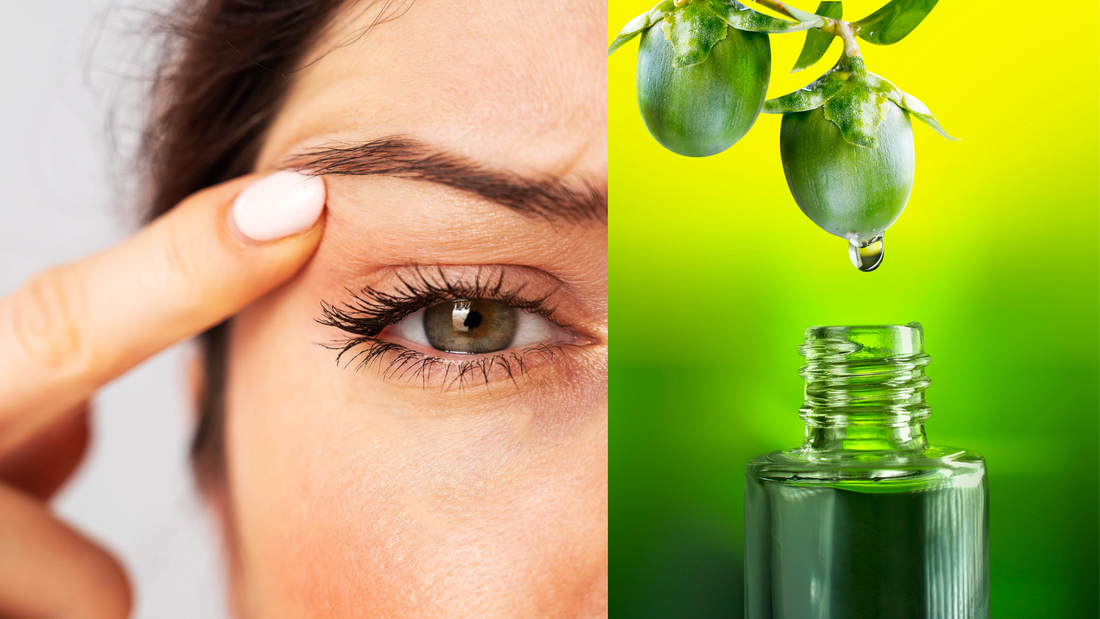
Jojoba Oil For Wrinkles: Unlock Youthful Skin Naturally
Many people think that the main cause of wrinkles is UV exposure. While this is true, it's not the only factor in play. If you look at people with virtually identical sun exposure habits, some will age faster than others.
This is because wrinkling has many factors other than UV light. Wrinkles are caused by a combination of genetics, environment and lifestyle choices like smoking, stress, and drinking alcohol frequently. All of these elements contribute to premature aging and accelerated wrinkle formation on our faces and hands.
It's not easy to reverse the effects of aging on your skin. However, there are simple steps you can take to slow down the process and prevent further wrinkle development as much as possible. The key is to start early and focus on prevention rather than cure!
Jojoba Oil for Wrinkles – What Is It?
Jojoba oil is extracted from the seeds of a plant called Simmondsia chinensis. It's a very close botanical relative of the sunflower and can be grown widely in warmer climates. This oil has been used for many years in commercial skin products because of its high oxidative stability, so it won't easily break down and lose its effectiveness. Because it's a non-comedogenic and non-irritating compound, it's suitable for use on all skin types and ages.

How Does Jojoba Oil Help Reduce Wrinkles?
Wrinkles form when the collagen and elastin fibers in the skin are broken down by natural enzymes called proteases. These break down proteins and are produced in the body at an accelerated rate as you age.
This results in the skin becoming less elastic and more fragile, leading to the familiar "creases" we associate with aging. Jojoba oil helps reduce the rate of this breakdown by slowing the production of these enzymes.
This has multiple benefits, including reducing the appearance of wrinkles and providing antioxidant protection against harmful toxins in the air. This is why we included jojoba oil in our line of blisanni Naturals vegan-friendly, cruelty-free anti-aging serums.

Jojoba Oil for Dry Skin
Jojoba oil is hydrating and nourishing, which makes it great for dry skin. It can also be helpful against eczema, psoriasis and other skin irritations. If you're looking for a natural, non-greasy moisturizer for dry skin, jojoba oil is a great choice. Just apply a few drops to your hands, face or entire body. If you have particularly dry skin, you may want to apply it more often, especially on your elbows, hands and knees where your skin takes the most abuse.
Conclusion
Jojoba oil is a great choice for all types of skin. It's rich in antioxidants and fatty acids, so it's particularly helpful for dry skin. It can help reduce the formation of wrinkles and prevent your skin from aging too quickly. If you're interested in fighting wrinkles and other signs of aging, jojoba oil is a great place to start.
We formulated our blissani Naturals Anti-Aging line with this in mind. Both Very Toney for Men and Gemma Crema for Women have a healthy dose of jojoba oil plus botanical extracts, retinol and hyaluronic acid. It's easy to apply, natural and safe for all skin types. With regular use, you can help prevent or slow down the aging process and look younger for longer!
Frequently Asked Questions
Common questions about this topic
Can jojoba oil actually reverse wrinkles I already have, or is it mainly for prevention?
According to the article, it's not easy to reverse the effects of aging on your skin. Jojoba oil is most effective when you start early and focus on prevention rather than trying to cure existing wrinkles, though it can help slow down the wrinkling process.
Why is jojoba oil better than other oils for anti-aging skincare?
Jojoba oil has high oxidative stability, which means it won't easily break down and lose its effectiveness over time. This makes it particularly reliable for long-term use in commercial skin products designed to fight wrinkles.
If I use jojoba oil, will it prevent wrinkles even if I have a family history of premature aging?
While jojoba oil can help slow wrinkle development, genetics is one of several factors that influence aging—along with environment, smoking, stress, and alcohol consumption. Using jojoba oil is one preventative step, but addressing these other lifestyle factors is equally important for best results.
Featured in This Article
blissani Clear Spot Solution
Vegan · Cruelty-Free · Made in USA
Formulated powered by clove oil — $16
Shop Now →Free shipping in the Continental USA · 30-day money-back guarantee
How to Add Jojoba Oil to Your Daily Skincare Routine
One of the things that makes jojoba oil so practical is how easily it fits into a routine you may already have. If you're using a serum or moisturizer in the morning and evening, jojoba oil works well both as a standalone step and as an ingredient already built into your products. As a standalone oil, a small amount — two or three drops — is enough for the entire face. Warm it between your fingertips before pressing it gently into your skin rather than rubbing, which can pull at delicate facial tissue over time.
For best results, apply jojoba oil after cleansing and toning but before heavier creams or SPF. This order allows the oil to absorb fully without being blocked by thicker products. If you prefer a more streamlined approach, look for a serum that already contains jojoba oil alongside complementary ingredients. The blissani Gemma Crema Anti-Aging Serum pairs jojoba oil with hyaluronic acid and retinol, so you're getting hydration, collagen support and antioxidant protection in a single step rather than layering multiple products.
Consistency matters more than quantity here. Using a small amount of jojoba oil every day will do more for your skin over time than applying a generous amount once or twice a week. Think of it like staying hydrated — one large glass of water doesn't compensate for days of not drinking enough.
Jojoba Oil vs. Other Popular Anti-Aging Oils
There are plenty of oils marketed for anti-aging, and it can be hard to know which ones are worth your attention. Rosehip oil is a popular choice because it's rich in vitamin A and vitamin C, which support collagen production. However, rosehip oil is more prone to oxidation than jojoba, meaning it can go rancid faster and may irritate sensitive skin if not stored correctly.
Argan oil is another widely used option. It's rich in vitamin E and oleic acid, and it works particularly well for people with very dry or mature skin. That said, argan oil has a heavier feel than jojoba and can leave a slight residue, which some people find uncomfortable during the day.
Jojoba oil sits in a useful middle ground. Technically a liquid wax rather than a true oil, it mimics the skin's own sebum more closely than most plant oils do. This means it absorbs quickly, doesn't leave a greasy film, and is less likely to trigger breakouts — which makes it a reliable daily option for people whose skin type doesn't fit neatly into "oily" or "dry." It also tends to be gentler on skin that reacts easily to new ingredients, so if you've had trouble introducing other oils into your routine, jojoba is often a sensible starting point.
What to Look for When Choosing a Jojoba-Based Product
Not all jojoba products are created equal. If you're buying pure jojoba oil, look for cold-pressed and unrefined versions. The cold-pressing process preserves more of the oil's natural antioxidants and nutrients compared to heat-extracted alternatives. Unrefined jojoba has a faint golden color and a very mild, slightly nutty scent — if a product is labeled pure jojoba but is completely colorless and odorless, it has likely been refined, which strips some of its beneficial properties.
When jojoba is an ingredient in a serum or moisturizer, check where it appears on the ingredient list. Ingredients are listed in descending order by concentration, so you want jojoba to appear in the first half of the list rather than at the very end where it would have a negligible effect. Also pay attention to what surrounds it — jojoba works particularly well alongside hyaluronic acid, vitamin C and retinol because these ingredients address different aspects of aging at the same time.
Finally, if cruelty-free and vegan formulations matter to you, verify that the brand has third-party certification or a clear, public commitment to those standards rather than relying on packaging claims alone. blissani products are formulated and made in the United States without animal testing or animal-derived ingredients, so you know exactly what you're getting.
Adding jojoba oil to your routine doesn't require an overhaul of what you're already doing — a single well-formulated serum that contains it can be enough. Start with a consistent daily application, give it at least four to six weeks to show results, and pay attention to how your skin responds rather than chasing dramatic overnight changes.