
Unlock Radiant Skin With Moisturizing Jojoba Oil Benefits
Finding Jo
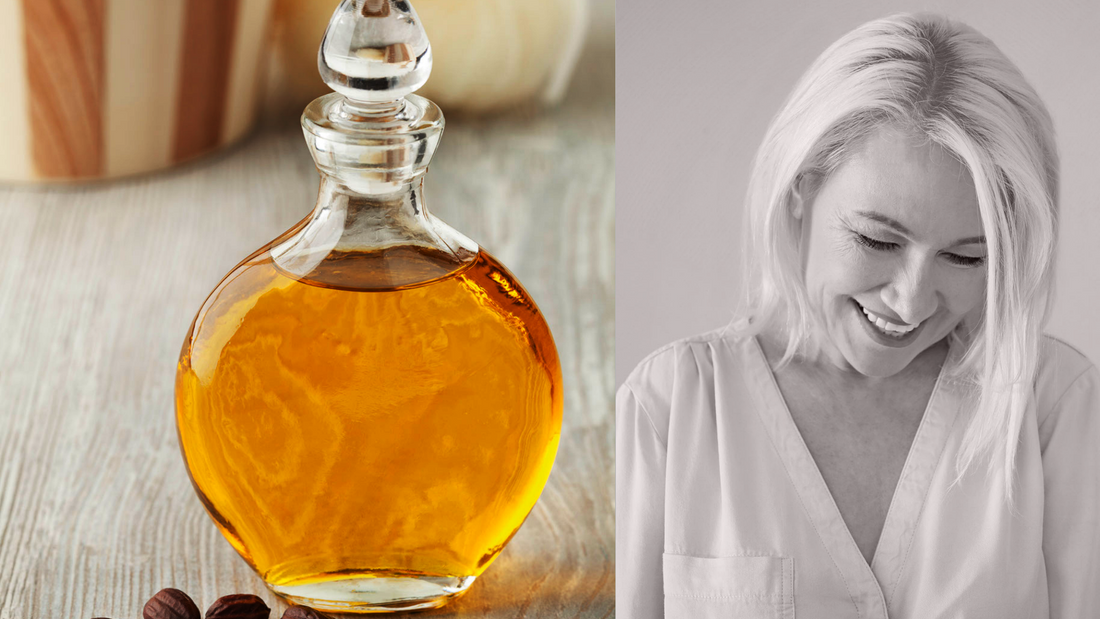
Deep within the harsh desert climates found in regions of the United States, we encounter the jojoba plant. It grows in a rough environment, and is therefore a hearty plant. It produces a nut which can be made into an oil, and that oil has been used for thousands of years on skin as treatment for all manner of ailments.
Jojoba oil's main uses in natural luxury products are to provide anti-inflammatory, anti-bacterial (healing), moisturizing and anti-acne benefits. This seems like a long list, but there is a good amount of study around these benefits and jojoba oil has science to back it up. We've included some links below if you'd like to read these studies (we do). If not, we'll summarize.
Benefits of Jojoba Oil
| Benefit/Use | Description |
|---|---|
| Anti-Inflammatory | Jojoba oil is known for its anti-inflammatory properties, which can help soothe and calm irritated skin. |
| Anti-Bacterial | The oil's healing properties make it effective in combating bacteria, contributing to improved skin health. |
| Moisturizing | Jojoba oil acts as a humectant, retaining moisture and forming a protective barrier to keep the skin hydrated. |
| Anti-Acne | Jojoba oil helps regulate sebum production, reducing the likelihood of excess oil production and preventing acne breakouts. |
| Non-Comedogenic | Its non-comedogenic nature allows jojoba oil to deliver nutrients deep into the skin without clogging pores, benefiting overall skin health. |
| Anti-Free-Radical | Rich in antioxidants, such as Vitamin E, jojoba oil fights free radicals caused by environmental toxins, preventing premature aging. |
| Wound Healing | Jojoba oil has medicinal uses, including promoting wound healing and aiding in the treatment of sunburn. |
| Botanical Extracts | Jojoba oil is used in products like Gemma Crema and Very Toney serums to transport botanical extracts, hyaluronic acid, and retinol into the skin. |
| Visible Results | The use of jojoba oil in skincare products can result in visible improvements in skin health and appearance. |
Anti-Free-Radical
Jojoba is easily absorbed by the skin and contains a hefty dose of Vitamin E which is a powerful antioxidant. These deeply penetrating antioxidants can fight off signs of aging caused by toxins and pollutants in the environment. Toxins cause oxidative stress which can make our skin look old before its time. Oxidative stress is caused when there is an imbalance between free radicals and antioxidants in your body. Raising the amount of antioxidants helps to restore the balance and prevent early signs of aging.

Jojoba's moisturizing effects are primarily due to it being a humectant. A humectant is an ingredient which retains and preserves moisture. Jojoba oil provides a protective barrier for your skin to keep out toxins. This barrier also acts as a seal to keep in moisture. If Jojoba Oil had a motto it would be "keep out the bad stuff and keep in the good stuff."
Jojoba and Acne
The anti-acne benefits of jojoba are two-fold. One: Jojoba oil keeps your skin moisturized which tells your body it doesn't need to produce more sebum(oil) to keep your skin hydrated. This means your body is less likely to produce excessive oil which can block your pores and cause acne. Two: Jojoba oil is non-comedogenic. Which means it can carry valuable nutrients deep into your skin without clogging pores.
Final Thoughts
Jojoba oil has other medicinal uses such as wound healing and the treatment of sunburn. This wonderful, healing plant can be found in our Gemma Crema and Very Toney anti-aging serums. We use it to fight free radicals and heal your skin while transporting our botanical extracts, hyaluronic acid and retinol deep into your pores. The results are visible. For further reading enjoy the links below. Stay safe and stay well.
Gemma Crema Vegan Anti-Aging with Jojoba Oil:

Further Reading on Natural Anti-Aging:

Further Reading on Jojoba Oil:
National Institute of Health: Transdermal Administration of Jojoba Oil
National Institute of Health: Jojoba in Dermatology
Frequently Asked Questions
Common questions about this topic
Will jojoba oil clog my pores if I have acne-prone skin?
No, jojoba oil is actually beneficial for acne-prone skin because it helps regulate sebum production rather than adding excess oil. Its non-comedogenic properties and anti-bacterial benefits make it less likely to clog pores compared to heavier oils.
How does jojoba oil work as a humectant to keep skin hydrated?
Jojoba oil acts as a humectant by retaining moisture in your skin and forming a protective barrier that prevents water loss. This barrier helps lock in hydration while also soothing irritated skin with its anti-inflammatory properties.
Can I use jojoba oil if I have sensitive or inflamed skin?
Yes, jojoba oil is excellent for sensitive skin because of its anti-inflammatory and anti-bacterial properties, which help soothe and calm irritated skin. These healing benefits make it a gentle option for those dealing with inflammation or sensitivity.
Featured in This Article
blissani Clear Spot Solution
Vegan · Cruelty-Free · Made in USA
Formulated powered by clove oil — $16
Shop Now →Free shipping in the Continental USA · 30-day money-back guarantee
Jojoba vs. Other Facial Oils: What Makes It Different
A reasonable question to ask is: why jojoba specifically? There are plenty of oils used in skincare — argan, rosehip, marula, coconut — and each has its defenders. The honest answer is that jojoba occupies a fairly unique position among them, and it comes down to chemistry.
Technically speaking, jojoba oil is not an oil at all. It is a liquid wax ester. That distinction matters because human sebum — the natural oil your skin already produces — is also largely composed of wax esters. This means jojoba is structurally more similar to your skin's own secretions than most other plant oils are. The practical result is that your skin recognizes it, absorbs it readily, and does not feel the need to push it away or react to it. This is a big part of why it sits well on sensitive skin and why it is less likely to cause the kind of congestion that heavier oils sometimes do.
Coconut oil, by comparison, is a popular choice but scores poorly on the comedogenic scale for many skin types — meaning it is more likely to clog pores. Argan oil is excellent and shares some of jojoba's lightweight feel, but it does not have the same wax ester structure that mimics sebum so closely. Rosehip oil is rich in fatty acids and great for brightening, but it oxidizes more quickly and has a shorter shelf life. Jojoba, because of its wax ester composition, is remarkably stable and does not go rancid the way most other plant oils do. That stability is one reason it works so well as a carrier oil in formulated skincare products — it holds the other ingredients together without degrading them.
For those with oily or combination skin who have avoided facial oils out of concern about breakouts, jojoba is often the one oil that works well precisely because it helps regulate sebum rather than add to it.
How to Get the Most Out of Jojoba Oil in Your Routine
Knowing that an ingredient is good for you and knowing how to actually use it are two different things. If you are incorporating jojoba oil into your routine — whether on its own or through a formulated serum — a few practical points are worth keeping in mind.
First, timing matters. Jojoba oil and products that contain it are best applied to slightly damp skin. When your skin still has a little moisture on it from cleansing or toning, a humectant like jojoba has something to work with and seal in. Applying it to completely dry skin is not harmful, but you get more from it when there is existing moisture to preserve.
Second, a little goes a long way. Because jojoba absorbs efficiently, you do not need a heavy application. A few drops of a serum or oil is typically enough to cover the face and neck. More is not necessarily better here — overloading the skin with any oil can leave it feeling heavy and may counteract the non-comedogenic benefits you are after.
Third, layering order matters in a multi-step routine. As a general rule, apply lighter, water-based products first (like a toner) and then follow with oil-based or heavier products. This allows the lighter products to absorb properly before the oil creates its protective barrier. In the case of a serum like Gemma Crema, which uses jojoba as a carrier for hyaluronic acid and retinol, the formulation does this work for you — the ingredients are already layered and balanced in a single step.
Finally, consistency is what produces visible results. Jojoba oil is not an overnight fix. Used regularly as part of a daily routine, most people begin to notice a difference in skin texture and tone within a few weeks. The anti-inflammatory and barrier-building effects accumulate over time.
What to Look for on a Label
If you are shopping for products that contain jojoba oil and want to make sure you are getting the real thing in a meaningful amount, the ingredient list is your guide. Ingredients in skincare are listed in descending order by concentration, so the closer jojoba appears to the top of the list, the more of it is actually in the product. If it appears near the very end, sandwiched between preservatives and fragrance, it is likely present in a token amount that will not produce the results described on the front of the packaging.
2 comments
Coat of jojob?
Where can I buy jojoba?