
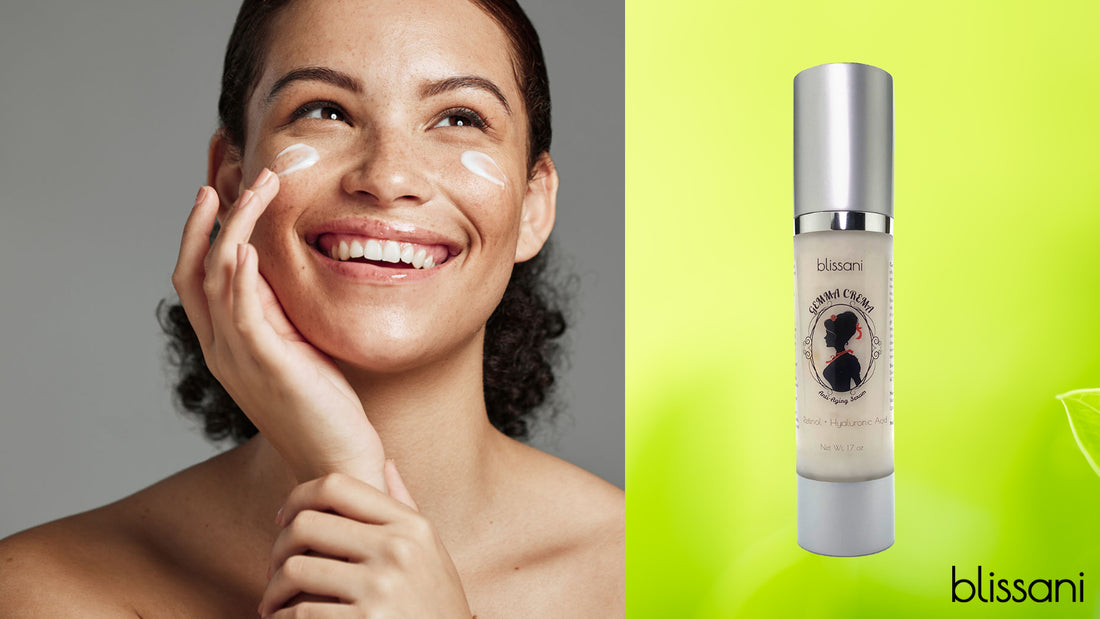
Discover the Power of Vegan Anti-Aging Serum for Youthful Skin
Share
What Makes a Vegan Anti-Aging Serum Actually Work?
Not all anti-aging serums are created equal, and the ingredient list tells you everything you need to know. A well-formulated vegan anti-aging serum skips the animal-derived components — no lanolin, no collagen sourced from animal tissue, no beeswax — and relies instead on plant-based and lab-synthesized actives that have real clinical backing. The good news is that many of the most effective anti-aging ingredients are already vegan by nature.
The key players to look for are retinol (a Vitamin A derivative that accelerates cell turnover and stimulates collagen synthesis), hyaluronic acid (a humectant that can hold up to 1,000 times its weight in water, visibly plumping fine lines), and antioxidants like Vitamin C and green tea extract, which neutralize free radicals before they can break down collagen. When these ingredients are combined thoughtfully, they address aging from multiple angles — texture, hydration, firmness, and tone — rather than just masking the appearance of skin.
Why Go Vegan and Cruelty-Free with Your Skincare?
The case for vegan skincare goes beyond ethics, though the ethical argument is straightforward: no animals are harmed in the formulation or testing process. From a skin health standpoint, vegan formulas tend to avoid common irritants. Many conventional serums rely on animal-derived ingredients that can clog pores or trigger sensitivities in people with reactive skin. Plant-based alternatives are often lighter, easier for the skin to absorb, and less likely to cause breakouts.
Cruelty-free certification means the brand does not test on animals at any stage of production — not the finished product, not the individual ingredients, not through third parties. For shoppers who want clean, ethical skincare without sacrificing performance, that distinction matters. blissani's entire product line is vegan and cruelty-free, and every product is made in the United States, so the supply chain is easier to verify than overseas alternatives.
What's Inside Gemma Crema and Why Does It Matter?
The Gemma Crema Vegan Anti-Aging Serum is built around a combination of ingredients chosen specifically for their ability to work at the cellular level. Retinol promotes faster skin cell renewal, which means fresher, smoother skin reaches the surface more quickly — this is why consistent retinol use leads to reduced wrinkle depth and improved skin tone over time. Hyaluronic acid layers on top of that process by drawing moisture into the skin, which is critical because dehydrated skin shows fine lines far more prominently.
Green tea extract adds a meaningful antioxidant layer. It contains polyphenols — particularly EGCG (epigallocatechin gallate) — that have been shown to reduce UV-induced skin damage and calm inflammation. Vitamin C complements this by brightening uneven pigmentation and supporting collagen production independently of retinol. Together, these actives don't just slow the visible signs of aging; they give the skin the building blocks it needs to repair itself.
Gemma Crema is priced at $29, which puts it in an accessible range for a serum with this ingredient profile. It fits naturally into any routine — applied after cleansing and toning, before moisturizer.
How Does Anti-Aging Serum Fit Into a Skincare Routine?
A serum is not a replacement for a cleanser, toner, or moisturizer — it's a targeted treatment step that goes deeper because of its smaller molecular structure. If you're building a full routine, the order matters. Start with a gentle face wash to remove debris and excess oil. Follow with a toner to balance pH and prep the skin. Then apply your serum while skin is still slightly damp to improve absorption. Moisturizer or SPF goes on last to seal everything in.
For anyone using retinol for the first time, start with every other night to let your skin adjust. Some initial dryness or mild sensitivity is normal as cell turnover increases. If you're pairing the serum with other actives like Vitamin C or exfoliating acids, pay attention to how your skin responds — layering too many potent ingredients at once can overwhelm the skin barrier, especially for sensitive skin types.
Is Vegan Anti-Aging Serum Effective for All Skin Types?
Generally, yes — but the formulation details matter more than the vegan label itself. A serum that avoids heavy occlusive animal fats and synthetic fragrances is less likely to cause congestion or irritation, making it a reasonable option for oily, combination, sensitive, and dry skin types. The hydration from hyaluronic acid benefits dry skin; the lightweight texture typical of plant-based serums suits oilier skin without adding unnecessary heaviness.
People with acne-prone skin often find that vegan formulas are easier to tolerate, particularly when the serum is also free of parabens and sulfates. Retinol can cause initial purging in acne-prone individuals as it clears blocked follicles, but this typically resolves within a few weeks of consistent use. If sensitivity is a concern, applying the serum over a thin layer of moisturizer can buffer the retinol while your skin builds tolerance.
What Should You Realistically Expect from an Anti-Aging Serum?
Anti-aging serums work — but they work gradually. Hyaluronic acid can visibly plump fine lines within days because it acts on surface hydration immediately. Retinol typically takes four to twelve weeks of consistent use before measurable changes in skin texture and wrinkle depth become apparent. Antioxidants like Vitamin C work cumulatively, with brightnening effects usually noticeable after six to eight weeks.
The realistic expectation is steady, visible improvement — not an overnight fix. Skin that looks more hydrated, smoother in texture, and more even in tone after a couple of months of consistent use is exactly what a well-formulated serum should deliver. Consistency and patience matter far more than switching products every few weeks chasing faster results.
The short version: If you want a vegan anti-aging serum that works without unnecessary fillers or animal-derived ingredients, focus on the actives — retinol, hyaluronic acid, and antioxidants. Use it consistently, give it time, and pair it with a simple routine that supports your skin barrier. The Gemma Crema Vegan Anti-Aging Serum checks those boxes at a price point that doesn't require a second thought.
Frequently Asked Questions
Common questions about this topic
If vegan serums don't contain collagen from animals, can they still boost my own collagen production?
Yes, absolutely. Vegan anti-aging serums work by stimulating your skin's natural collagen production rather than adding external collagen. Ingredients like retinol and Vitamin C trigger your fibroblasts to synthesize more collagen from within, which is actually more effective than topical collagen since it creates lasting structural improvements.
Are lab-synthesized actives in vegan serums as effective as their animal-derived counterparts?
Lab-synthesized actives are often equally or more effective than animal-derived versions because they're produced with consistent purity and potency. For example, synthetic retinol and hyaluronic acid perform identically to any other source, and they skip the potential contamination risks that can come with animal-derived ingredients.
How long does it typically take to see anti-aging results from a vegan serum with retinol and Vitamin C?
Most people notice improvements in skin texture and brightness within 4-6 weeks of consistent use, though visible plumping from hyaluronic acid can appear more immediately. For deeper anti-aging benefits like firmer skin and reduced fine lines, it typically takes 8-12 weeks as collagen remodeling is a gradual process.