
The Benefits of Using A Plant-Based Face Wash
Share
The Benefits of Using a Plant-Based Face Wash
Most people don't think twice about what's in their face wash — until their skin starts reacting to it. Redness, dryness, breakouts that won't quit: these are often signs that your cleanser is working against you, not for you. Plant-based face washes take a different approach, using ingredients sourced from plants rather than petroleum or synthetic chemistry labs. Here's what that actually means for your skin.
What Makes a Face Wash "Plant-Based"?
A plant-based face wash replaces synthetic and petroleum-derived ingredients with ones that come from plants. That means no petrolatum, no mineral oil, no parabens, no sulfates like sodium lauryl sulfate (SLS), and no synthetic fragrances or dyes.
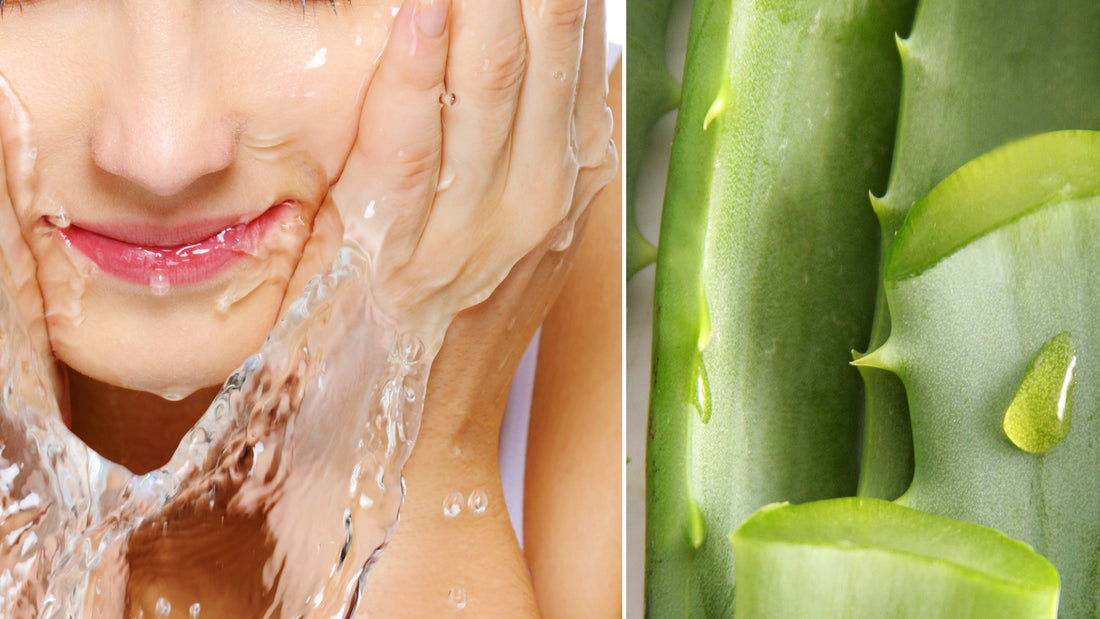
Instead, you'll find ingredients like aloe vera leaf juice, which carries natural polysaccharides that help retain moisture in the skin. Or rosemary extract, which contains rosmarinic acid — a compound with known antioxidant and anti-inflammatory properties. Jojoba oil is another common addition; its molecular structure closely mirrors the skin's own sebum, which is why it absorbs so cleanly without clogging pores.
At blissani, the Clear Face Wash is built on exactly this kind of ingredient list — vegan, cruelty-free, and made in the US without the synthetic fillers that show up in most drugstore cleansers.
Why Synthetic Ingredients Can Be a Problem
Conventional face washes often rely on SLS to create that foamy lather people associate with "clean." The problem is SLS is a surfactant strong enough to degrease engine parts. On facial skin — which has a natural acid mantle sitting around pH 4.5 to 5.5 — an aggressive surfactant disrupts that barrier, strips away protective oils, and can trigger your sebaceous glands to overproduce oil in response. That cycle often leads to more breakouts, not fewer.
Synthetic fragrances are another common irritant. A single "fragrance" listing on an ingredient label can represent a blend of dozens of undisclosed chemicals. For people with sensitive or acne-prone skin, these are frequent triggers for contact dermatitis and inflammation.
Plant-based formulas sidestep most of these issues by using milder, naturally-derived cleansing agents and skipping artificial scent compounds entirely.
Specific Benefits for Acne-Prone and Sensitive Skin
If you deal with breakouts regularly, the cleanser you use twice a day matters more than most people realize. A face wash that strips the skin's oil barrier will cause reactive sebum overproduction — a documented contributor to comedone formation and acne flares.
Plant-based cleansers with ingredients like tea tree oil (which contains terpinen-4-ol, shown in studies to have antimicrobial activity against Cutibacterium acnes) or witch hazel (a natural astringent containing tannins) can help address breakouts without nuking your skin's moisture barrier in the process.
For sensitive skin specifically, the absence of parabens and synthetic fragrance is significant. Parabens — preservatives like methylparaben and propylparaben — have been linked to skin sensitization in some individuals, and synthetic fragrances are among the most common causes of allergic contact dermatitis reported in dermatology literature.
How Plant-Based Cleansing Supports Your Skin Barrier
Your skin barrier is made up of lipids, proteins, and naturally occurring moisture factors. When you wash your face, you want to remove dirt, excess sebum, and environmental pollutants — not the components your skin needs to stay healthy and resilient.
Ingredients like avocado oil are rich in oleic acid and vitamin E (tocopherol), which help replenish lipids in the skin rather than stripping them away. Aloe vera's acemannan content supports wound healing and hydration at the cellular level. These aren't marketing claims — they're documented properties backed by peer-reviewed research.
The result is a face wash that cleans effectively but leaves your skin feeling balanced afterward, not tight and squeaky (which, despite the cultural association, is actually a sign of over-cleansing).
Environmental and Ethical Considerations Worth Knowing
Beyond your skin, there are real-world reasons people choose plant-based skincare. Synthetic ingredients like microplastics (used in some scrubs) and certain preservatives have documented negative effects on aquatic ecosystems once they enter the water supply.
Plant-derived ingredients are generally biodegradable and carry a lighter environmental footprint. Choosing a product that's cruelty-free also means no animal testing at any point in the supply chain — a standard that the blissani line holds across all five of its products.
US manufacturing adds another layer of accountability. Supply chains are shorter, working conditions are subject to domestic labor law, and there's more visibility into how products are made from raw ingredient sourcing through to bottling.
How to Get the Most Out of a Plant-Based Face Wash
Using the right product only gets you partway there — technique matters too. A few practical notes:
Water temperature: Lukewarm water, not hot. Hot water accelerates moisture loss from the skin surface and can worsen redness in people prone to rosacea or sensitivity.
Frequency: Twice daily is standard — morning and evening. Over-washing, even with a gentle formula, can still disrupt your barrier over time.
Follow with a toner: A well-formulated toner after cleansing helps restore your skin's pH and preps it to absorb whatever you apply next. If you're building out a routine, pairing a plant-based face wash with a complementary toner gives you a more complete cleanse without added irritation.
Patch test new products: Even natural ingredients can cause reactions in some people. Apply a small amount to your jawline or inner wrist for a few days before committing to full-face use.
Switching to a plant-based face wash isn't about following a trend — it's about using a formula that works with your skin's biology rather than against it. If your current cleanser leaves your face feeling tight, dry, or irritated, that's a reasonable signal to look at what's in it. Cleaner ingredients, a gentler surfactant system, and no synthetic fragrance are a solid starting point. The blissani Clear Face Wash checks those boxes at $18 — a straightforward option if you want a plant-based cleanser made in the US without the filler ingredients.
Frequently Asked Questions
Common questions about this topic
Will a plant-based face wash still remove makeup and oil effectively without sulfates?
Yes — plant-based formulas can cleanse effectively without sulfates like SLS. Ingredients like jojoba oil help dissolve sebum and makeup because its molecular structure mirrors your skin's natural oils, allowing it to penetrate and lift impurities without stripping your skin or causing irritation.
If I've been using a face wash with parabens and sulfates, will my skin have a reaction when I switch to plant-based?
You may experience a brief adjustment period as your skin recalibrates, but this is different from a negative reaction. If you've been experiencing redness, dryness, or breakouts from your current cleanser, switching to plant-based often resolves these issues within 1-2 weeks as your skin barrier repairs itself.
Are plant-based face washes suitable for oily or acne-prone skin, or are they only for dry, sensitive skin?
Plant-based washes work for all skin types, including oily and acne-prone skin. Ingredients like rosemary extract have anti-inflammatory and antioxidant properties that can actually benefit acne-prone skin, while jojoba oil won't clog pores since it absorbs cleanly into the skin.