
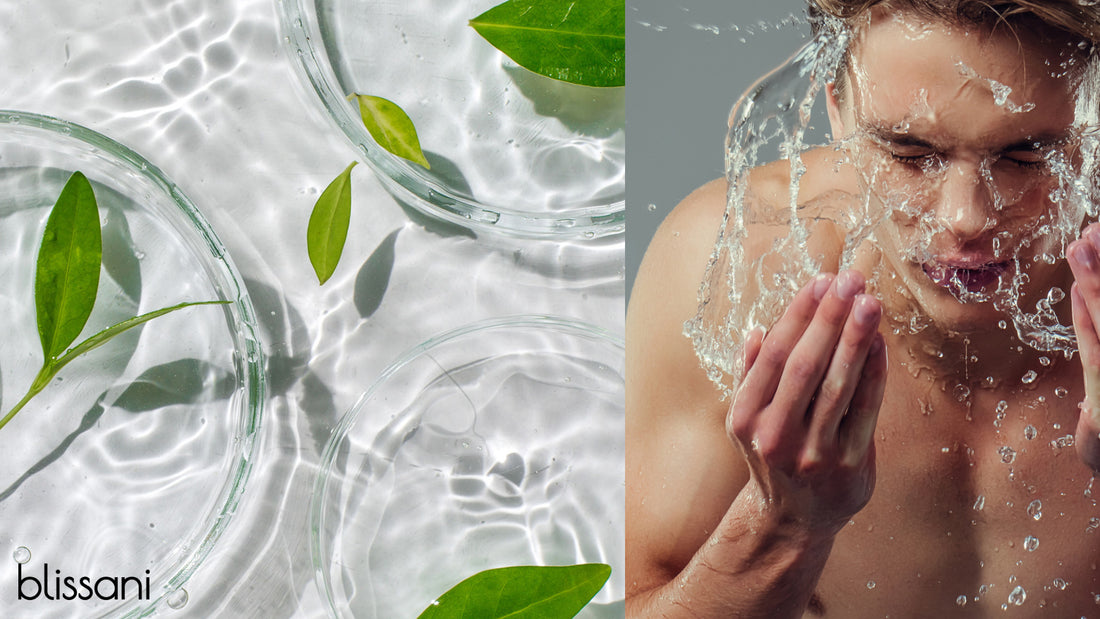
Discover Eco-Friendly Skincare Products For Glowing Skin
Share
Eco-Friendly Skincare Products That Actually Deliver Glowing Skin
More people are paying attention to what goes into their skincare — not just what it does for their face, but what it does to the planet. That shift isn't just marketing noise. It reflects a real change in how consumers think about ingredients, manufacturing, and the long-term cost of convenience. If you're weighing whether natural, eco-friendly skincare can genuinely compete with conventional products, the short answer is yes — but only if you know what to look for.
What Makes a Skincare Product Truly Eco-Friendly?
The term "eco-friendly" gets thrown around loosely, so it's worth being specific. A genuinely eco-friendly skincare product typically checks several boxes: plant-based or naturally derived ingredients, no animal testing, no synthetic fragrances or parabens, and responsible sourcing. Manufacturing location also matters — products made in the US are subject to stricter labor and environmental regulations than those produced overseas with minimal oversight.
Vegan formulas go a step further by excluding all animal-derived ingredients. That means no lanolin (from wool), no carmine (from insects), and no collagen sourced from animal tissue. Plant-based alternatives — like squalane derived from sugarcane or hyaluronic acid derived from fermentation — perform just as well, often without the ethical baggage or the risk of allergic reactions.
Can Plant-Based Ingredients Really Fight Acne and Aging?
This is the question most skeptics ask, and it's a fair one. The answer comes down to the specific ingredients and their concentrations — not the "natural" label itself.
For acne, salicylic acid (a beta-hydroxy acid originally derived from willow bark) remains one of the most clinically supported ingredients available. It penetrates oil-filled pores, exfoliates dead skin cells, and reduces inflammation. Tea tree oil, at concentrations around 5%, has been shown in clinical studies to reduce acne lesions comparably to 5% benzoyl peroxide — with less dryness and irritation. Niacinamide (vitamin B3) helps regulate sebum production and visibly reduces redness over consistent use.
For aging, vitamin C (as ascorbic acid or a stabilized derivative) stimulates collagen synthesis and neutralizes free radicals. Retinol increases cell turnover, though plant-based serums increasingly use bakuchiol — a compound from the Psoralea corylifolia plant — which research suggests delivers comparable anti-aging results with significantly less irritation. Green tea extract, rich in EGCG (epigallocatechin gallate), protects against UV-induced oxidative stress and helps preserve skin elasticity.
These aren't vague "nature is good" claims. They're mechanisms backed by peer-reviewed research. The key is finding products that use these ingredients at effective concentrations — not just as label decoration.
What to Look for in an Eco-Friendly Face Wash and Toner
A face wash is the foundation of any skincare routine, and it's also where a lot of conventional products do quiet damage. Sodium lauryl sulfate (SLS), a common foaming agent, strips the skin's natural lipid barrier, which can trigger excess oil production and worsen acne over time. Natural alternatives like coco-glucoside or decyl glucoside — both derived from coconut or corn — clean effectively without disrupting the skin barrier.
A good toner does more than remove leftover cleanser residue. It can deliver active ingredients directly to the skin while balancing pH levels after cleansing. Look for toners with witch hazel (a natural astringent), glycerin (a humectant that draws moisture into the skin), or low concentrations of AHAs like lactic acid to smooth texture gradually.
If you want a straightforward place to start, blissani's full product lineup includes a Clear Face Wash and Clear Face Toner formulated with exactly this approach — vegan, cruelty-free, and made in the US without the synthetic additives that tend to cause more problems than they solve.
Men's Skin Has Specific Needs — Here's Why That Matters
Men's skin tends to be about 25% thicker than women's and produces significantly more sebum due to higher testosterone levels. That means men are generally more prone to enlarged pores, oiliness, and acne — while simultaneously being less likely to have an established skincare routine. Shaving also creates micro-abrasions that increase sensitivity and the risk of ingrown hairs and post-shave irritation.
A men's anti-aging serum needs to address these specific conditions: controlling excess oil, supporting the skin barrier after shaving, and delivering antioxidants that slow visible aging. Lightweight, fast-absorbing formulas work best here — heavy creams tend to clog pores on sebum-heavy skin. blissani's Very Toney men's anti-aging serum ($29) is built with these differences in mind, using a vegan formula that works with men's skin rather than against it.
How to Build a Simple Eco-Friendly Skincare Routine
You don't need a 12-step routine to get results. In fact, overcomplicating things often backfires — layering too many actives can irritate the skin barrier and cause the problems you're trying to fix.
A functional, eco-friendly routine for most people looks like this:
Morning: Gentle cleanser → toner (optional but useful for acne-prone skin) → moisturizer with SPF. If you're using a vitamin C serum, apply it before moisturizer.
Evening: Cleanser → treatment (spot solution for active breakouts, or an anti-aging serum like blissani's Gemma Crema for anti-aging focus) → moisturizer.
Consistency over time is what drives results — not the number of products in your cabinet. Most active ingredients need four to twelve weeks of regular use before significant changes are visible. Patience is genuinely part of the formula.
Why US-Made and Cruelty-Free Still Matters in 2024
Animal testing for cosmetics has been banned in the EU since 2013, but the US has no federal ban. That means "cruelty-free" still requires intentional commitment from a brand. Third-party certifications (like Leaping Bunny or PETA's Beauty Without Bunnies program) provide verification, but manufacturing location and supply chain transparency are equally important indicators of a brand's actual practices.
US-made products are also subject to FDA oversight for ingredient safety and manufacturing standards — a layer of accountability that doesn't apply uniformly to imported goods. For consumers who care about both what's in their products and how they're made, domestic manufacturing is a meaningful differentiator, not just a marketing point.
The practical takeaway: Eco-friendly skincare works when it's built on real ingredients at effective concentrations — not just clean-sounding labels. Start with a simple two- or three-product routine, give it at least six weeks, and pay attention to how your skin responds. You can browse a focused, no-fuss starting point at blissani.com. Five products, clear purposes, nothing superfluous.
Frequently Asked Questions
Common questions about this topic
How can I tell if a skincare product is actually eco-friendly or just using "greenwashing" marketing?
Look for products that check multiple boxes: plant-based ingredients, no animal testing, no synthetic fragrances or parabens, and responsible sourcing practices. Also check where it's manufactured—products made in the US follow stricter environmental and labor regulations than those produced overseas with minimal oversight.
Will eco-friendly skincare products actually give me the same glowing results as conventional brands?
Yes, eco-friendly products can genuinely compete with conventional skincare, but you need to know what to look for in terms of effective ingredients and formulation quality. The results depend more on choosing the right product for your skin type than whether it's conventional or natural.
What's the difference between eco-friendly and vegan skincare products?
Vegan formulas go beyond eco-friendly by excluding all animal-derived ingredients like lanolin (from wool), carmine (from insects), and collagen. While all vegan products are eco-conscious, not all eco-friendly products are vegan—they may still contain some animal-derived ingredients.