
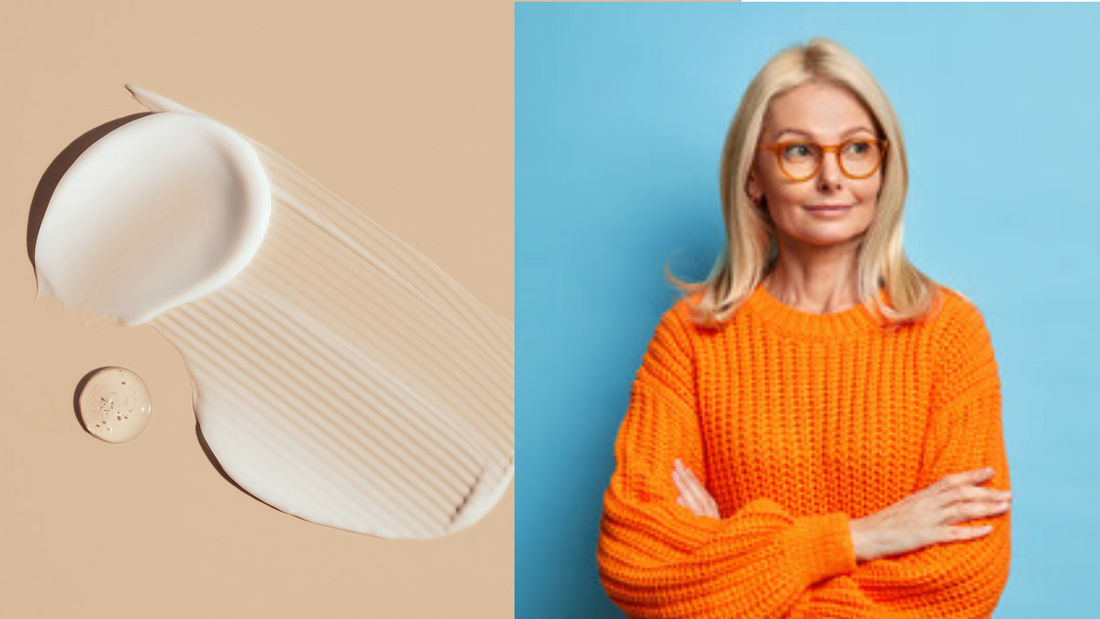
What is Retinol? How It Works for Wrinkles, Acne & Skin Health
Retinol has been clinically studied for over 50 years, and it remains the gold standard for a reason — no other over-the-counter ingredient has the same volume of evidence behind it for reducing fine lines, clearing acne, and improving overall skin texture. It works by speeding up cell turnover and stimulating collagen production, two processes that naturally slow down as you age.
blissani uses this ingredient.
Looking for a vegan retinol product? Gemma Crema Anti-Aging Serum uses plant-derived retinol alongside hyaluronic acid and 25 botanical extracts. No synthetic ingredients.
Shop Gemma Crema Serum $29 → See Full RoutineThat said, retinol gets misused constantly. People start too strong, skip the moisturizer, and quit after a week of irritation. This guide covers exactly how retinol works, what results are realistic, and how to actually use it without wrecking your skin barrier.
What Is Retinol?
Retinol is a form of vitamin A — a fat-soluble nutrient that the body uses for cell growth, immune function, and tissue repair. In skincare, retinol refers specifically to a topical compound that, once applied to skin, is converted into retinoic acid, the biologically active form that drives its visible effects. It belongs to a broader family of compounds called retinoids, all of which are derivatives of vitamin A.
The history of retinol in dermatology stretches back to the 1970s, when researchers first began documenting its effects on skin aging and acne. It has since become so well-established that retinol and related retinoids appear on the World Health Organization's List of Essential Medicines, a recognition of their clinical importance and safety profile. Today, retinol is available in a wide spectrum of over-the-counter and prescription formulations, making it accessible to most people seeking to improve their skin over time.
To understand how retinol differs from stronger prescription options, see our guide on the difference between retinol and retinoids.
How Retinol Works on Skin
When you apply retinol topically, it penetrates through the outer layer of the skin — the epidermis — and reaches the deeper dermis, where most of the structural activity takes place. There, enzymes in the skin convert retinol into retinaldehyde and then into retinoic acid, which binds to specific receptors inside skin cells and triggers a cascade of biological responses.
Collagen and Elastin Production
One of retinol's most important functions is signaling the skin to produce more collagen and elastin — the proteins responsible for skin's firmness and elasticity. Collagen is what gives skin its structure and volume, while elastin allows it to spring back into shape. As we age, natural production of both proteins slows considerably, contributing to sagging, fine lines, and a loss of plumpness. Retinol helps counteract this process by encouraging fibroblasts, the cells that manufacture collagen, to become more active.
Accelerating Cell Turnover
Retinol also speeds up the rate at which skin cells are generated and shed, a process known as cellular turnover. In younger skin, this cycle happens roughly every 28 days. With age, the process slows, leading to a buildup of dull, dead cells on the skin's surface. By accelerating turnover, retinol helps reveal fresher, newer skin more quickly — improving tone, smoothing texture, and giving skin a more even, radiant appearance over time.
Regulating Melanin Production
Beyond collagen and cell turnover, retinol also plays a role in normalizing melanin production, which is why it's frequently recommended for hyperpigmentation and uneven skin tone. By interfering with the pathway that leads to excess pigment, regular retinol use can gradually fade dark spots and post-inflammatory marks left behind by breakouts or sun exposure.

Retinol for Wrinkles and Anti-Aging
Retinol for wrinkles is arguably the most documented use of the ingredient. Fine lines around the eyes, forehead creases, and deeper folds along the nasolabial area all respond to retinol over time, thanks to the collagen-stimulating and cell-renewal effects described above. Reputable sources including Harvard Health Publishing and the National Institutes of Health have noted retinol's role in reducing the visible signs of photoaging — the cumulative skin damage caused by sun exposure over a lifetime.
It's important to set realistic expectations. Retinol is not an overnight fix. Most users begin to see noticeable improvements in skin texture within 8 to 12 weeks of consistent use, while more significant changes in wrinkle depth and skin tone may take six months or longer. The key word is consistency — retinol rewards patience and regular application more than it rewards high concentrations used sporadically.
What to Expect in the First Few Weeks
During the initial weeks of use, some people experience what's often called the "retinol purge" — a temporary period of dryness, flaking, or mild irritation as the skin adjusts to the accelerated cell turnover. This is a normal part of the process and typically subsides as the skin acclimates. Starting with a lower concentration and gradually increasing frequency is the most reliable way to minimize this adjustment period.
Retinol for Acne
While anti-aging is the headline benefit, retinol for acne is equally well-supported. WebMD and dermatologists widely recommend retinol as part of an acne management routine because of the multiple mechanisms through which it addresses breakouts. Retinol helps unclog pores by speeding up cell turnover, which prevents dead skin cells and sebum from becoming trapped and forming comedones — the starting point of most acne lesions.
Collagen, Skin Integrity, and Bacteria
There's another, less commonly discussed reason retinol benefits acne-prone skin: the relationship between plump, collagen-rich skin and bacterial activity. When the skin's structure is firm and well-supported, pores are tighter and less likely to create the deep, oxygen-deprived environment that acne-causing bacteria — specifically Cutibacterium acnes — thrive in. By promoting collagen production and maintaining healthier skin architecture, retinol helps create conditions that are less hospitable to the bacteria that contribute to inflammatory acne.
Retinol also helps reduce the appearance of post-acne marks by speeding up the skin's natural healing and pigmentation-normalizing processes. Over time, consistent use can lead to fewer active breakouts and a cleaner, more even complexion even in skin that has historically been difficult to manage.

Vegan Retinol: What Makes It Different
Traditional retinol has historically been derived from animal sources — most commonly fish liver oil or other animal-based extracts of vitamin A. For consumers who follow a vegan lifestyle or prefer cruelty-free products, this presents a significant concern. The good news is that vegan retinol, derived entirely from plant-based sources, is now widely available and delivers the same core benefits as its conventional counterpart.
blissani Vegan Anti-Aging Serums
Vegan retinol · cruelty-free · made in USA
Free shipping in Continental USA · 30-day money-back guarantee
Plant-Derived Sources of Vitamin A
Vegan retinol is typically synthesized from plant-derived carotenoids — pigments found naturally in fruits, vegetables, and algae that the body can convert into vitamin A. Rosehip oil, sea buckthorn, and certain algae extracts are among the most common plant-based sources used in vegan retinol formulations. Because these sources are botanically derived, they carry no animal welfare concerns and are fully compatible with vegan and cruelty-free standards.
Why It Matters Beyond Ethics
Choosing vegan retinol isn't only an ethical decision — it's also increasingly a quality one. Plant-derived formulations are often paired with complementary botanical actives that support skin health, reduce the likelihood of irritation, and bring additional antioxidant benefits. At blissani, every product is made in the United States using plant-derived, cruelty-free ingredients, with no compromises on efficacy.
If you're looking for a vegan retinol formula designed specifically for anti-aging, blissani's Very Toney Anti-Aging Serum was developed for men's skin, while the Gemma Crema Anti-Aging Serum is formulated for women — both use plant-derived vegan retinol as a core active ingredient.
How to Start Using Retinol
Introducing retinol into your skincare routine successfully is largely a matter of starting slowly and being consistent. Jumping in with daily, high-concentration applications is one of the most common mistakes new users make, and it often leads to unnecessary irritation that causes people to abandon the ingredient before seeing its benefits.
Begin with Low Frequency
Most dermatologists recommend starting retinol use two to three times per week, then gradually increasing to nightly application as the skin builds tolerance. This slow introduction allows the skin's enzyme systems and barrier function to adapt without becoming overwhelmed. If irritation occurs, stepping back to once or twice a week — rather than stopping entirely — is usually the right approach.
Use It at Night
Retinol is best applied at night for two reasons. First, it can be broken down by exposure to UV light, which reduces its efficacy when used during the day. Second, the skin's natural repair processes are most active during sleep, which means retinol has an opportunity to work in alignment with the body's own regenerative rhythms. Apply retinol after cleansing and before heavier moisturizers for best absorption.
Always Use SPF During the Day
Using retinol makes the skin more sensitive to UV radiation — a fact consistently emphasized by dermatologists and sources including Harvard Health. This is not a reason to avoid retinol; it's simply a reason to wear broad-spectrum SPF 30 or higher every morning without exception. Think of daytime sun protection as the essential complement to your nighttime retinol routine — one enables the other to work safely and effectively.
For a complete breakdown of timing and frequency, see our detailed guide on how often to use retinol.
Frequently Asked Questions About Retinol
Is retinol safe for sensitive skin?
Retinol can be used by people with sensitive skin, but it requires a more cautious approach. Starting with a very low concentration — such as 0.025% — and applying it only once or twice a week gives sensitive skin the time it needs to build tolerance. Using a fragrance-free, gentle formulation and applying a moisturizer either before or after retinol (the "sandwich" method) can significantly reduce the risk of irritation. If persistent redness or peeling occurs, consulting a dermatologist is the recommended next step.
Can retinol be used around the eyes?
The skin around the eyes is significantly thinner and more delicate than the rest of the face, which makes it both more reactive to retinol and more in need of its collagen-boosting benefits. Many dermatologists suggest applying a small amount of retinol to the orbital area using only the ring finger, which naturally applies less pressure, and pairing it with a rich eye moisturizer. Some people prefer to use a dedicated eye-area retinol product with a lower concentration to further minimize the risk of irritation.
What is the difference between retinol and retinoids?
Retinol and retinoids are related but not identical. Retinoids is the umbrella term for all vitamin A derivatives, including prescription-strength options like tretinoin and adapalene, as well as over-the-counter retinol. Retinol is generally considered milder because it must be converted by the skin into retinoic acid before it becomes active, whereas prescription retinoids deliver retinoic acid directly. The tradeoff is that retinol is typically better tolerated with less initial irritation, making it the preferred starting point for most people. For a deeper comparison, see our article on the difference between retinol and retinoids.
Is vegan retinol as effective as conventional retinol?
Yes — vegan retinol delivers the same fundamental benefits as conventional retinol because the active molecule and its mechanism of action are the same regardless of how it is sourced. The difference lies in the origin of the raw materials, not in the ingredient's performance on skin. Plant-derived retinol formulations from reputable brands are produced to the same quality standards as conventional alternatives, and many vegan formulas include additional botanical ingredients that further support skin health and reduce irritation.
Vegan Retinol vs. Synthetic Retinoids
Synthetic Retinoids (tretinoin, etc.)
Retinization period: 4–12 weeks of redness, peeling, and flaking
Requires prescription for highest-efficacy forms
Not vegan — derived from animal sources or tested on animals
Sun sensitivity requires strict SPF discipline
Vegan Retinol (blissani's approach)
Plant-derived retinol — no animal sources or testing
Lower irritation profile than synthetic retinoids
Paired with hyaluronic acid and 25 botanicals to support skin barrier
No prescription required
Frequently Asked Questions
Common questions about this topic
How long does it take to see results from retinol, and when should I expect to notice improvements in wrinkles and acne?
Results vary by individual, but most people notice improvements in skin texture within 2-4 weeks of consistent use. However, visible reduction in fine lines and significant acne clearing typically takes 8-12 weeks because retinol works by gradually speeding up cell turnover and stimulating collagen production — processes that compound over time.
Why do people experience irritation when starting retinol, and is it normal to quit after a week?
Irritation occurs because retinol is potent and your skin barrier needs time to adapt, especially if you start with too high a concentration or skip moisturizer. Quitting after a week is a common mistake — the article emphasizes that proper retinol use requires patience and the right supporting routine to avoid damaging your skin barrier.
What's the difference between retinol and retinoic acid, and do I need the prescription-strength version to see results?
Retinol is converted into retinoic acid once applied to your skin, meaning over-the-counter retinol eventually becomes the biologically active form your skin needs. While prescription retinoic acid works faster, retinol has over 50 years of clinical evidence proving it's effective for reducing wrinkles, clearing acne, and improving texture without requiring a prescription.
Ready to Try It?
Gemma Crema Serum
Vegan · Cruelty-Free · Made in USA · $29
Part of the complete vegan anti-aging serum collection
Shop Now → See Full RoutineFree shipping in the Continental USA · 30-day money-back guarantee
1 comment
I think l need to try the product and see how it works.