
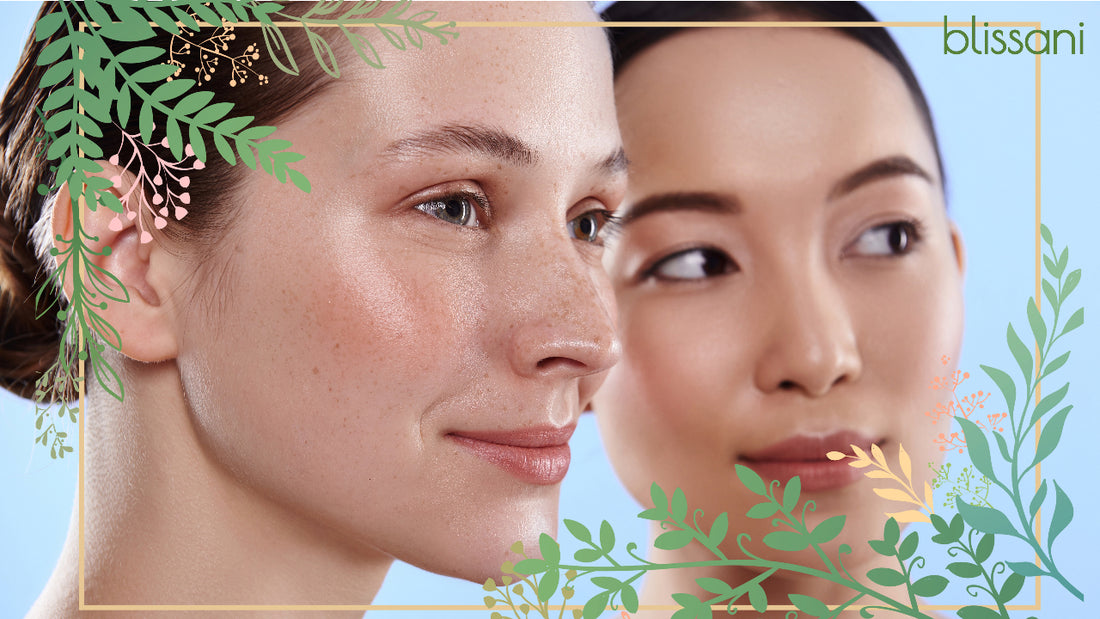
Discover Vegan Anti-Aging Skincare For Radiant, Youthful Skin
Share
Why Vegan Anti-Aging Skincare Actually Works
Vegan anti-aging skincare has moved well past the "feel-good" phase. The formulas have caught up with the ethics, and for a lot of people, plant-based products are now outperforming their conventional counterparts. The reason comes down to ingredients. Many synthetic anti-aging products rely on petroleum-derived compounds or animal byproducts that sit on top of the skin rather than working with it. Plant-based alternatives — think vitamin C from rosehip, retinol alternatives derived from bakuchiol, and peptides from fermented botanicals — interact more compatibly with skin's natural biology.
Aging skin loses collagen at roughly 1% per year after age 20, and by the time most people start thinking seriously about skincare, that cumulative loss is already visible. The good news is that specific natural ingredients have solid research behind them showing they can slow that process, stimulate collagen synthesis, and improve skin elasticity — without hormone disruption or irritation that some synthetic actives cause.
The Ingredients Doing the Real Work
Not all plant-based ingredients are created equal. If you're evaluating a vegan anti-aging serum or moisturizer, these are the ones worth looking for:
Vitamin C (ascorbic acid or sodium ascorbyl phosphate): A well-documented antioxidant that neutralizes free radicals, inhibits melanin production to reduce dark spots, and directly supports collagen synthesis. Studies have shown that topical vitamin C can increase collagen production by stimulating fibroblast activity.
Hyaluronic acid: Technically vegan when synthetically produced (many brands use fermented bacterial sources), hyaluronic acid can hold up to 1,000 times its weight in water. It plumps fine lines temporarily and supports the skin barrier long-term with consistent use.
Bakuchiol: Derived from the seeds of the Psoralea corylifolia plant, bakuchiol has shown in clinical studies to produce similar improvements in fine lines, pigmentation, and skin elasticity as retinol — without the dryness, peeling, or photosensitivity that often comes with retinoic acid.
Green tea extract (EGCG): Epigallocatechin gallate is one of the most potent antioxidants in topical skincare. It helps reduce UV-induced oxidative stress and has anti-inflammatory properties that can calm redness and uneven texture.
Jojoba oil: Technically a wax ester that closely mimics the skin's natural sebum. It absorbs without clogging pores and delivers vitamin E directly to the skin, supporting barrier repair and moisture retention.
What to Look for in a Vegan Anti-Aging Serum
Serums are the delivery workhorses of any skincare routine. Because they're formulated with smaller molecules than creams, they penetrate deeper into the epidermis and dermis layers, which is where the collagen-building action happens. When you're choosing a vegan anti-aging serum, the concentration and formulation of actives matters more than the length of the ingredient list.
A product worth using will lead with its actives rather than burying them at the bottom of the label. It should also be free of synthetic fragrance — a common sensitizer in anti-aging products that can undermine the very results you're trying to get.
blissani's Gemma Crema Anti-Aging Serum checks those boxes. It's formulated with botanical actives, completely vegan, cruelty-free, and made in the US. At $29, it's priced well below most clean beauty serums carrying similar credentials. The formula focuses on delivering meaningful anti-aging benefits without synthetic fillers or animal-derived ingredients — which means you're getting more of what your skin actually needs.
Building a Routine That Targets Aging Without Overcomplicating Things
One of the most common mistakes people make with anti-aging skincare is stacking too many actives at once. Layering multiple exfoliants or high-concentration vitamins in the same routine can compromise the skin barrier, leading to inflammation — which actually accelerates visible aging rather than slowing it down.
A practical, effective routine looks something like this:
Morning: Gentle cleanser → antioxidant serum (vitamin C or green tea-based) → moisturizer with SPF. Sun protection is non-negotiable. UV exposure is responsible for an estimated 80% of visible facial aging.
Evening: Cleanser → anti-aging serum (bakuchiol, peptides, or hyaluronic acid-based) → a slightly richer moisturizer to support overnight repair processes.
You don't need ten products. You need the right ones, used consistently. Most clinical studies showing meaningful improvements in fine lines and skin texture require at least 8–12 weeks of consistent use — so patience is part of the routine.
Does Vegan Skincare Work for Men Too?
Men's skin is structurally different from women's — it's typically about 25% thicker and produces more sebum due to higher androgen levels. That doesn't mean anti-aging is less relevant; it just means the texture and delivery format of the product matters. Lightweight, fast-absorbing serums tend to work better for men than heavy creams.
blissani's Very Toney Men's Anti-Aging Serum ($29) is formulated specifically with that in mind — same commitment to vegan, cruelty-free, US-made standards, but designed for the specific characteristics of men's skin.
Why Cruelty-Free Certification Matters Beyond the Label
Cruelty-free and vegan aren't interchangeable terms, and both matter if you're trying to make a genuinely ethical purchase. A product can be vegan (no animal ingredients) but still be tested on animals. Look for brands that are transparent about their full supply chain — including their ingredient suppliers — not just their finished product testing.
blissani maintains both standards across all five of its products, and everything is manufactured in the United States, which adds another layer of quality control and supply chain transparency that's harder to guarantee with overseas manufacturing.
The short version: if you want anti-aging results from vegan skincare, focus on evidence-backed ingredients like bakuchiol, vitamin C, and hyaluronic acid, keep your routine simple and consistent, and give it at least two to three months before judging results. The products are only as effective as the habits behind them.
Frequently Asked Questions
Common questions about this topic
How does bakuchiol compare to retinol for reducing wrinkles, and why is it better tolerated by sensitive skin?
Bakuchiol is a plant-derived retinol alternative that delivers similar anti-aging results—stimulating collagen and reducing fine lines—without the irritation, redness, or sun sensitivity that traditional retinol causes. Because it works with your skin's natural biology rather than forcing cellular turnover, it's gentler for sensitive or reactive skin types while still being effective.
If vegan products are plant-based, why do they work better than synthetic anti-aging formulas that have been tested for decades?
Plant-based ingredients like rosehip vitamin C and fermented botanical peptides are more biocompatible with your skin's natural chemistry, meaning they absorb and interact more effectively than petroleum-derived compounds that tend to sit on the surface. Additionally, many synthetic actives come with side effects like hormone disruption or irritation, whereas these natural alternatives deliver results without those drawbacks.
At what age should I start using vegan anti-aging products if collagen loss begins at age 20?
Since collagen declines by roughly 1% annually after age 20, starting preventative vegan anti-aging skincare in your mid-to-late twenties can help slow visible loss before it becomes pronounced. However, if you're already seeing signs of aging, plant-based ingredients like bakuchiol and fermented peptides can still stimulate collagen synthesis and improve elasticity at any age.