
Discover Marigold Extract Benefits For Clearer Skin Naturally
Share
Marigold Extract Benefits For Clearer Skin Naturally
Acne affects roughly 85% of people at some point in their lives, and the search for effective, gentle treatments is ongoing. Marigold extract — derived from Calendula officinalis — has earned serious attention in dermatology circles for good reason. It's not a trendy buzzword ingredient; it has centuries of documented use in traditional medicine and a growing body of modern research behind it. Here's what it actually does for acne-prone skin, and why it's worth considering.
What Is Marigold Extract, Exactly?
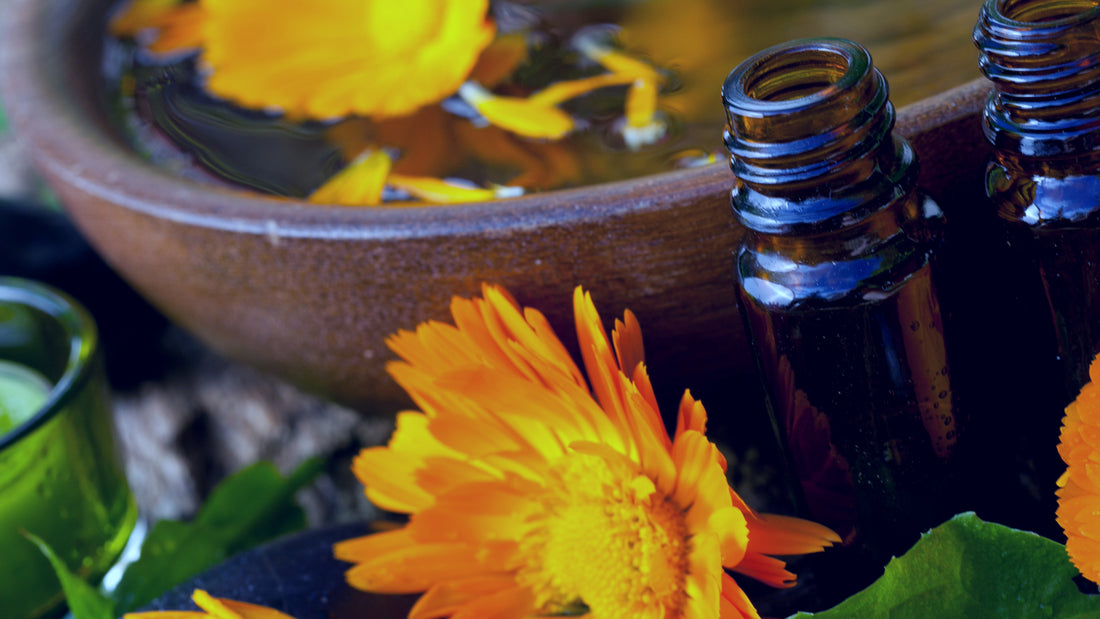
Marigold extract comes from the petals of Calendula officinalis, a flowering plant native to the Mediterranean. The extract is rich in three key classes of bioactive compounds: flavonoids (particularly isorhamnetin and quercetin), triterpenoids (including oleanolic acid and ursolic acid), and carotenoids (like lutein and beta-carotene). Each of these plays a distinct role in skin health.
Flavonoids are well-documented antioxidants that neutralize free radicals — unstable molecules that damage skin cells and worsen inflammation. Triterpenoids have demonstrated wound-healing and anti-inflammatory activity in multiple studies. Carotenoids support skin cell turnover and give calendula its characteristic golden color. Together, these compounds make marigold extract a multi-action ingredient rather than a one-trick botanical.
How Does Marigold Extract Actually Fight Acne?
Acne forms when excess sebum, dead skin cells, and bacteria combine inside a pore. The most common culprit is Cutibacterium acnes (formerly called Propionibacterium acnes), a bacteria that triggers an immune response — the redness, swelling, and tenderness you see in active breakouts.
Marigold extract works against this process in two specific ways. First, its triterpenoids and flavonoids inhibit pro-inflammatory enzymes, particularly COX-2 and lipoxygenase — the same pathways targeted by many over-the-counter anti-inflammatory medications. This helps reduce the redness and swelling of existing breakouts without stripping the skin. Second, marigold extract has demonstrated antimicrobial activity against C. acnes in laboratory studies, meaning it can help reduce the bacterial load on skin before it triggers inflammation in the first place.
This dual mechanism — calming inflammation while reducing the bacteria that cause it — is what makes marigold extract particularly useful for acne-prone skin, especially for people who find conventional acne treatments like benzoyl peroxide too harsh or drying.
Is Marigold Extract Gentle Enough for Sensitive or Reactive Skin?
One of the more common frustrations with acne treatment is that strong active ingredients — salicylic acid at high concentrations, retinoids, benzoyl peroxide — can cause dryness, peeling, and irritation that make sensitive skin worse before it gets better. Marigold extract doesn't carry those risks for most people.
Its anti-inflammatory properties actually make it soothing during a breakout rather than aggravating. The carotenoids in the extract also support skin barrier function by promoting healthy cell turnover, which matters because a compromised skin barrier is one of the factors that makes acne-prone skin more reactive overall. For people dealing with both acne and sensitivity — a frustrating combination — marigold extract offers a way to address breakouts without adding more irritation to the equation.
That said, true calendula allergies do exist, particularly in people sensitive to other plants in the Asteraceae family (like ragweed or chamomile). If that applies to you, patch testing is worth doing before committing to any calendula-based product.
How Marigold Extract Fits Into a Practical Skincare Routine
Marigold extract works best as part of a consistent routine rather than a spot fix. Because it addresses inflammation and bacterial buildup at the source, regular use in a cleanser or toner is more effective than occasional application. A face wash is an ideal delivery format because it allows the active compounds to contact the skin during cleansing, when pores are most accessible, without requiring extended leave-on time.
The blissani Clear Face Wash combines marigold extract with rosehip oil — a pairing that makes practical sense. Rosehip oil is high in linoleic acid, a fatty acid that research links to reduced sebum viscosity (thinner sebum is less likely to clog pores) and improved skin barrier repair. Together, the two ingredients address both the inflammatory and barrier-function sides of acne-prone skin. The formula is vegan, cruelty-free, and made in the US, which matters if those factors are part of how you choose skincare.
For a more complete routine targeting breakouts, pairing a marigold-based cleanser with a toner (to balance skin pH after cleansing) and a targeted spot treatment can address acne at multiple stages — prevention, active treatment, and skin recovery.
What Results Should You Realistically Expect?
Marigold extract is not an overnight fix, and it won't replace medical treatment for severe cystic acne. What it does well is reduce the frequency and severity of breakouts over time, calm active inflammation faster, and support healthier skin texture with consistent use. Most people who incorporate it into a daily routine report noticeable improvement within four to six weeks — which aligns with the typical skin cell turnover cycle of about 28 days.
It's also worth noting that marigold extract doesn't cause the purging period that retinoids and some acids can trigger. For people who've struggled with that adjustment phase in the past, that's a meaningful practical advantage.
The Bottom Line
Marigold extract earns its reputation through specific, documented mechanisms: anti-inflammatory enzyme inhibition, antimicrobial activity against acne-causing bacteria, antioxidant protection, and support for the skin barrier. It's a genuinely functional ingredient — not just a label claim — and it's well-suited to people who want effective acne control without the irritation that comes with harsher conventional treatments. Use it consistently, pair it with complementary ingredients like rosehip oil, and give it a full month before judging the results.
Frequently Asked Questions
Common questions about this topic
Is marigold extract the same as calendula, and can I use any marigold plant for skincare?
Yes, marigold extract comes from Calendula officinalis specifically, which is native to the Mediterranean — this is the species with documented dermatological benefits. Not all marigold varieties contain the same bioactive compounds, so using the wrong species won't deliver the same anti-inflammatory and antioxidant results for acne.
How do the flavonoids and triterpenoids in marigold extract actually prevent acne breakouts?
Flavonoids work by neutralizing free radicals that damage skin cells and trigger inflammation, while triterpenoids actively reduce inflammation and promote wound healing — both factors that contribute to clearer skin. Together, they address acne at multiple levels rather than just treating surface symptoms.
Can I just grow marigolds in my garden and make my own extract for skincare?
While you can grow Calendula officinalis, creating an effective skincare extract requires proper extraction methods to concentrate the bioactive compounds like flavonoids, triterpenoids, and carotenoids. Home extraction typically won't yield the same potency as professionally formulated products studied in dermatological research.