
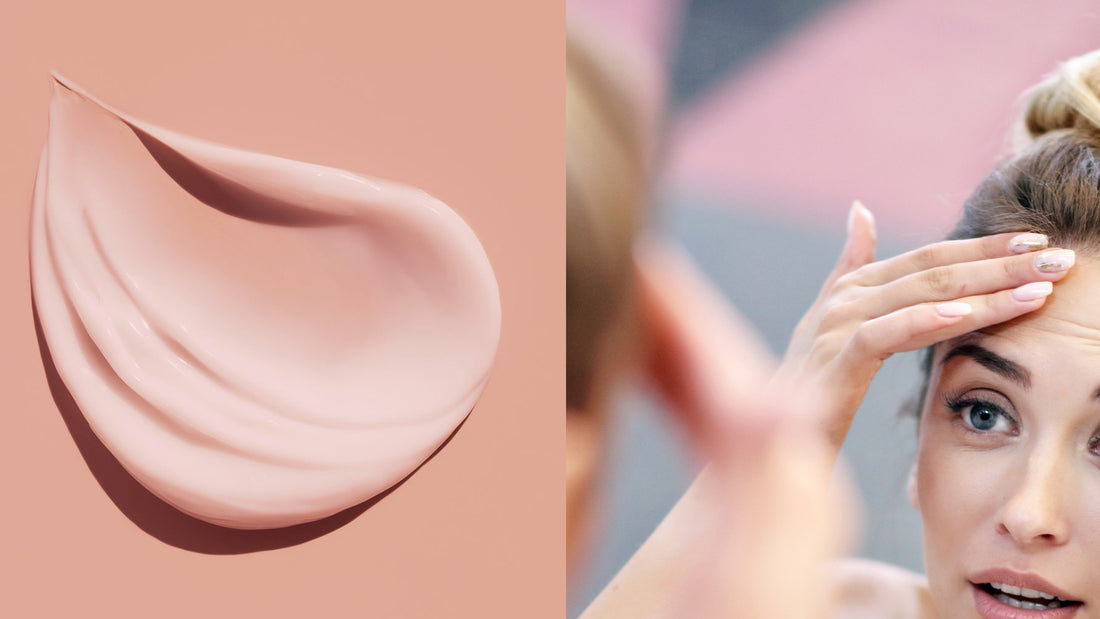
Effective Wrinkle Serum Ingredients
Most wrinkle serums fail not because of bad marketing, but because of bad ingredient choices. The difference between a serum that visibly reduces fine lines and one that just sits on your skin comes down to what's actually in the formula — and whether those ingredients are present in concentrations that do anything meaningful.
Three ingredients consistently outperform the rest in clinical research and real-world results: Hyaluronic Acid, Jojoba Oil, and Green Tea Extract. Each works differently, and knowing what each one actually does helps you stop wasting money on products that can't deliver.
Hyaluronic Acid: The Ultimate Skin Hydrator
Hyaluronic Acid (HA) is a naturally occurring substance in our skin that retains moisture and helps maintain skin elasticity. As we age, the natural production of HA decreases, leading to a loss of hydration and the appearance of fine lines and wrinkles. Incorporating a wrinkle serum with Hyaluronic Acid can provide intense hydration, plumping the skin and diminishing the appearance of wrinkles. Additionally, HA works well with other skincare ingredients, making it a versatile and popular choice for anti-aging serums (1).

Jojoba Oil: The Skin-Softening Elixir
Jojoba Oil is a natural oil derived from the seeds of the jojoba plant, native to the southwestern United States and northern Mexico. Its chemical composition closely resembles that of human sebum, making it an effective and gentle moisturizer for all skin types. When used in wrinkle serums, Jojoba Oil nourishes and softens the skin, reducing the appearance of fine lines and wrinkles. It also offers antioxidant properties that help protect the skin from environmental damage, which can accelerate the aging process (2).
Green Tea Extract: The Age-Defying Antioxidant
Green Tea Extract, derived from the leaves of the Camellia sinensis plant, is a potent antioxidant known for its anti-inflammatory and anti-aging properties. Rich in polyphenols, Green Tea Extract helps neutralize free radicals that can cause oxidative stress and damage to the skin. By incorporating Green Tea Extract in wrinkle serums, it can help reduce inflammation, protect the skin from environmental stressors, and promote a more youthful appearance (3).
Conclusion
The combination of Hyaluronic Acid, Jojoba Oil, and Green Tea Extract in a wrinkle serum can provide a powerful and effective solution for combating signs of aging. A prime example of a product that harnesses the power of these ingredients is blissani's Gemma Crema Anti-Aging Serum. This natural, cruelty-free, and paraben-free formula not only incorporates these three key ingredients but also ensures optimal skin health without compromising the environment. As a result, Gemma Crema has emerged as one of the most effective natural wrinkle serums on the market.

References
- Papakonstantinou, E., Roth, M., & Karakiulakis, G. (2012). Hyaluronic acid: A key molecule in skin aging. Dermato-Endocrinology, 4(3), 253-258. https://doi.org/10.4161/derm.21923
- Pazyar, N., Yaghoobi, R., Ghassemi, M. R., Kazerouni, A., Rafeie, E., & Jamshydian, N. (2013). Jojoba in dermatology: a succinct review. G Ital Dermatol Venereol, 148(6), 687-691. https://pubmed.ncbi.nlm.nih.gov/24442052/
- Chiu, A. E., Chan, J. L., Kern, D. G., Kohler, S., Rehmus
Frequently Asked Questions
Common questions about this topic
If Hyaluronic Acid is in my serum, how do I know it's actually in an effective concentration?
The article emphasizes that concentration matters—just having an ingredient listed isn't enough. Look for products that list Hyaluronic Acid in the top ingredients and check third-party reviews or clinical studies showing visible results, since many serums contain HA at levels too low to meaningfully reduce wrinkles.
Can I use all three ingredients (Hyaluronic Acid, Jojoba Oil, and Green Tea Extract) together in one serum, or should I alternate them?
According to the article, Hyaluronic Acid specifically works well with other skincare ingredients, suggesting compatibility. However, the article doesn't address whether all three should be combined in one formula or layered separately—you may need to test what works best for your skin or consult with a dermatologist for personalized advice.
Why does my current wrinkle serum with these ingredients not seem to be working, even though the label lists them?
The article explains that most wrinkle serums fail because of "bad ingredient choices" and insufficient concentrations, not marketing. Your serum may list these ingredients but contain them in amounts too low to deliver visible results—this is why checking concentration levels and looking for clinical evidence of efficacy is crucial before purchasing.
Featured in This Article
blissani Clear Face Toner
Vegan · Cruelty-Free · Made in USA
Formulated with green tea extract — $15
Shop Now →Free shipping in the Continental USA · 30-day money-back guarantee
How to Apply a Wrinkle Serum for Best Results
Knowing which ingredients to look for is only part of the equation — how and when you apply a wrinkle serum matters just as much. Serums are formulated with smaller molecules than moisturizers, which means they are designed to penetrate deeper into the skin. To get the most out of that delivery system, apply your serum to clean, slightly damp skin. The dampness helps Hyaluronic Acid in particular draw moisture into the skin rather than pulling it from the deeper layers.
In terms of timing, most dermatologists recommend applying an anti-aging serum twice daily — once in the morning and once at night. The morning application helps protect the skin from environmental stressors throughout the day, while the nighttime application supports the skin's natural repair cycle that occurs during sleep. If you are using a serum with Green Tea Extract, morning use is especially beneficial given its antioxidant protection against UV-related oxidative stress.
Apply a small amount — typically three to five drops — to your fingertips and press the serum gently into the skin rather than rubbing it in. This pressing motion minimizes friction and encourages better absorption. Follow with a moisturizer to seal in the active ingredients and add an additional layer of hydration. If you are using the blissani Gemma Crema Anti-Aging Serum, this layering approach allows the Jojoba Oil and Hyaluronic Acid to work together more effectively, giving you the full benefit of each ingredient.
What to Look for on an Ingredient Label
Reading a skincare ingredient label can feel overwhelming at first, but a few straightforward guidelines can help you evaluate whether a wrinkle serum is worth trying. Ingredients are listed in descending order by concentration, so the first five or six ingredients make up the bulk of the formula. If Hyaluronic Acid, a plant-based oil like Jojoba, or an antioxidant extract appears near the bottom of a long list, its concentration may be too low to have a meaningful effect on the skin.
Beyond concentration, look for what is absent from the formula. Parabens, synthetic fragrances, sulfates, and phthalates are common additives in conventional skincare that can irritate the skin and, over time, compromise the skin barrier. For people with sensitive or reactive skin, these additives can offset any benefit from the active ingredients. Choosing a serum that is paraben-free and fragrance-free gives the active ingredients a cleaner environment in which to do their work.
It is also worth considering whether a product is vegan and cruelty-free. Animal-derived ingredients such as collagen, lanolin, and carmine are common in anti-aging products, but plant-based alternatives perform just as well — and in some cases better — without the ethical concerns. A serum formulated with Hyaluronic Acid derived from plant fermentation, for example, is functionally equivalent to animal-sourced HA while being suitable for a vegan lifestyle.
Finally, country of manufacture matters more than many consumers realize. Skincare products made in the United States are subject to FDA oversight and Good Manufacturing Practice (GMP) standards, which provide a baseline of quality control that is not guaranteed in products manufactured overseas.
How These Ingredients Compare to Synthetic Alternatives
Retinol and peptides are two of the most frequently marketed ingredients in the anti-aging category, and they are worth understanding in the context of natural alternatives like Hyaluronic Acid, Jojoba Oil, and Green Tea Extract.
Retinol, a derivative of Vitamin A, is widely studied and does show measurable results in reducing the appearance of fine lines. However, it can also cause significant irritation — redness, peeling, and increased sun sensitivity — particularly during the first several weeks of use. People with sensitive skin, rosacea, or eczema often find that retinol does more harm than good. Green Tea Extract, by contrast, provides antioxidant and anti-inflammatory benefits without the associated irritation risk, making it a viable option for a broader range of skin types.
Synthetic peptides are another popular category. These chains of amino acids are designed to signal the skin to produce more collagen. While some peptides have strong research behind them, many are included in formulas at concentrations too low to have a measurable effect. Jojoba Oil, on the other hand, works through a well-understood mechanism — mimicking sebum, softening the skin's surface, and delivering antioxidants directly to the skin — and has a long track record of tolerability across skin types.
None of this is to say that synthetic ingredients are inherently inferior. But for people who prefer a natural approach or who have experienced irritation with conventional anti-aging products, the combination of Hyaluronic Acid, Jojoba Oil, and Green Tea Extract offers a genuinely effective and gentler path to more youthful-looking skin. Reading labels carefully and choosing a serum that is transparent about its formulation — like blissani's Gemma Crema — is the most reliable way to know exactly what you are putting on your skin.
Start by incorporating a serum with these three ingredients into your morning and evening routine, apply it to damp skin before moisturizer, and give it at least four to six weeks to show results — most ingredient-driven changes in skin texture and tone take time to become visible. Paying attention to the full ingredient list, not just the headline actives, will help you choose a product that genuinely supports your skin rather than simply marketing to it.