
Vegan Anti-Aging Serum: What to Look For and Why It Works
Share
The anti-aging skincare aisle looks very different than it did a decade ago. Where animal-derived ingredients once dominated high-end serums, plant-based formulas have moved from niche to mainstream — and for good reason. A well-formulated vegan anti-aging serum can deliver serious results without relying on animal byproducts, synthetic fillers, or ethically questionable sourcing. The question is knowing what to look for, what to avoid, and why any of it actually works.
This guide breaks it all down — honestly, and without the usual marketing fluff.
Why Veganism Changed Anti-Aging Skincare
For decades, many of the most celebrated anti-aging ingredients were animal-derived. Collagen was typically extracted from bovine or marine sources. Squalane came from shark liver oil. Retinol was often synthesized using animal-based precursors. Even widely used emollients like lanolin are sourced from sheep's wool.
As consumer awareness around animal welfare, sustainability, and ingredient transparency grew, the skincare industry had to respond. Formulators began investing in plant-based alternatives — not just to satisfy an ethical demand, but because the science was catching up. Botanical extracts, plant-derived peptides, and fermented plant compounds turned out to be genuinely effective, often offering antioxidant and anti-inflammatory benefits that animal-derived counterparts couldn't match.
The result is a new generation of vegan anti-aging serums that don't ask you to compromise. You get the results. The animals are left out of it entirely.
The Key Ingredients in an Effective Vegan Anti-Aging Serum
Not all vegan serums are created equal. The best formulas combine multiple active ingredients that work on different levels of the skin simultaneously. Here's what to look for:
- Vegan Retinol (Bakuchiol or plant-derived vitamin A): The gold standard of anti-aging. Retinol accelerates cell turnover, stimulates collagen production, and visibly reduces fine lines and wrinkles. Plant-based retinol alternatives — particularly bakuchiol, derived from the babchi plant — have been shown in clinical studies to deliver comparable results with less irritation.
- Hyaluronic Acid: A humectant that draws moisture into the skin and holds it there. Hyaluronic acid can hold up to 1,000 times its weight in water, which means immediate plumping and long-term improvement in skin elasticity. Vegan versions are produced through fermentation rather than animal tissue extraction.
- Vitamin C: A potent antioxidant that brightens uneven skin tone, neutralizes free radical damage, and supports collagen synthesis. Look for stable forms like ascorbic acid or sodium ascorbyl phosphate.
- Botanical Extracts: Green tea, turmeric, rosehip, sea buckthorn, and dozens of other plant extracts offer concentrated doses of antioxidants, vitamins, and skin-calming compounds. When a formula includes a broad range of botanical extracts, they create a layered defense against environmental aging.
- Carrot Root Extract: Rich in beta-carotene and vitamin A, carrot root supports skin tone, texture, and brightness — a natural complement to vegan retinol activity.
- Shea Butter: A plant-derived emollient loaded with fatty acids and vitamins E and F. It nourishes the skin barrier, reduces inflammation, and helps active ingredients absorb more effectively.
Vegan Retinol vs Synthetic Retinol: Is There a Real Difference?
Here's the honest answer: it depends on what you mean by "difference."
Traditional synthetic retinol is highly effective — that part isn't in dispute. But it can also cause irritation, peeling, and photosensitivity, especially at higher concentrations. It also requires careful formulation to remain stable.
Vegan retinol — most commonly bakuchiol — has been studied as a functional alternative. A 2019 double-blind study published in the British Journal of Dermatology found that bakuchiol performed comparably to retinol in reducing fine lines and improving pigmentation, with significantly less irritation. It's also naturally more stable and doesn't require the same UV precautions.
The trade-off? Synthetic retinol has a longer research track record. If you have very specific concerns like deep wrinkles or significant sun damage, a dermatologist may still recommend a prescription-strength retinoid. But for daily anti-aging maintenance — especially for sensitive skin or anyone new to retinol — a plant-based retinol serum is a genuinely solid choice, not just a compromise.
What Ingredients to Avoid in Anti-Aging Serums
Reading an ingredient label matters as much as knowing what to look for. Watch out for:
- Parabens: Common preservatives (methylparaben, propylparaben) linked to endocrine disruption in some studies. Many clean beauty brands have moved away from them entirely.
- Animal-Derived Collagen: Topical collagen from animal sources cannot penetrate the dermis — the molecules are too large. It sits on the surface and does little. Vegan serums that stimulate your skin's own collagen production through retinol and vitamin C are more effective.
- Synthetic Fragrance: Listed as "fragrance" or "parfum" on labels, synthetic fragrance is one of the most common causes of skin irritation and allergic reaction. It adds nothing to efficacy.
- Mineral Oil and Petrolatum: Petroleum-derived occlusive agents that can clog pores and block absorption of active ingredients.
- Sodium Lauryl Sulfate (SLS): A harsh surfactant that strips the skin's natural moisture barrier — counterproductive in any anti-aging product.
Anti-Aging for Women vs Men: Why Formulas Differ
Skin isn't one-size-fits-all, and gender-based biological differences are real and relevant to how anti-aging serums should be formulated.
Men's skin is typically 20–25% thicker than women's, produces significantly more sebum, and ages differently due to higher testosterone levels. Men also tend to shave regularly, which creates a unique barrier disruption dynamic. That means men generally need formulas with more robust emollients and ingredients that address oiliness and post-shave sensitivity.
Women's skin, particularly post-menopause, experiences a sharp decline in estrogen that accelerates collagen loss and moisture retention. Formulas for women benefit from a broader cocktail of hydrating and collagen-supporting ingredients, plus antioxidants that address hormonal hyperpigmentation.
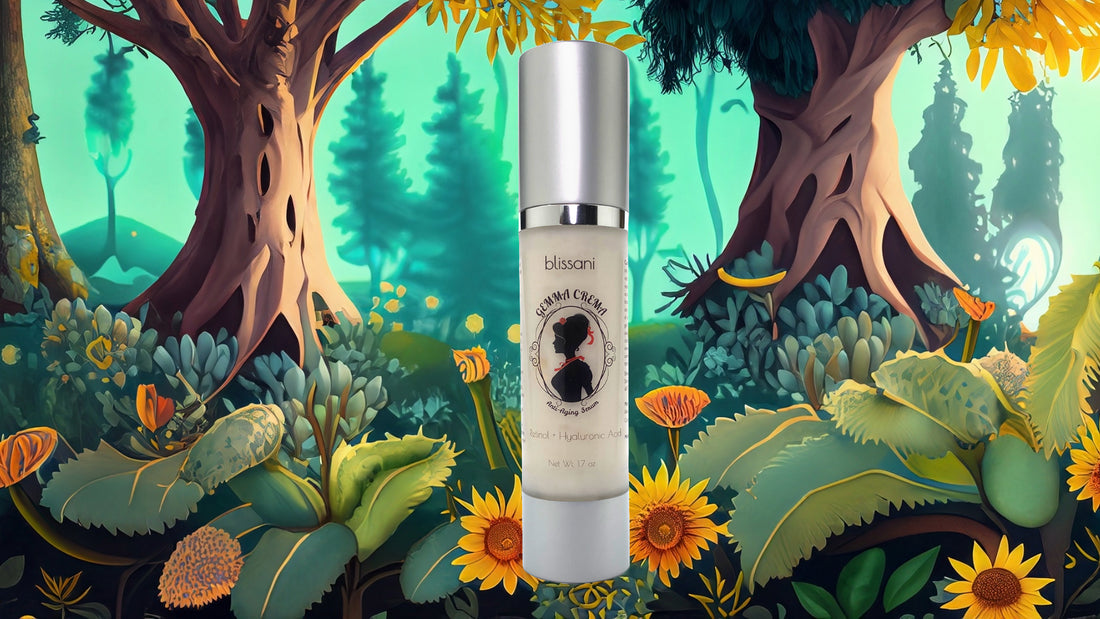
This is exactly the thinking behind blissani's two flagship serums. Gemma Crema Vegan Anti-Aging Serum is formulated for women with 25 botanical extracts, vegan retinol, and hyaluronic acid — a comprehensive, layered approach to hydration, brightness, and collagen support. Very Toney Vegan Anti-Aging Serum for Men pairs vegan retinol with carrot root extract and shea butter for a formula that penetrates thicker skin, controls oil, and delivers results without a heavy or greasy finish. Both are $29, vegan, cruelty-free, and made in the US.
How to Build an Anti-Aging Routine Around a Vegan Serum
A serum is only as effective as the routine it sits in. Here's a simple, practical framework:
Morning Routine:
- Gentle cleanser (non-stripping)
- Toner or essence (optional, hydrating)
- Vegan anti-aging serum — apply to damp skin for better absorption
- Moisturizer to seal in actives
- SPF 30+ sunscreen — non-negotiable if you're using any retinol-based product
Evening Routine:
- Double cleanse if you've worn sunscreen or makeup
- Serum — evening is when your skin repairs itself, making this the most important application window
- Heavier moisturizer or face oil to support overnight recovery
Layering tips: Don't mix vitamin C with retinol in the same step — apply vitamin C in the morning and retinol-based products at night for maximum efficacy and minimum irritation. Always patch test a new serum before full-face use.
FAQ
Can a vegan anti-aging serum really replace a retinol product?
For most people doing daily anti-aging maintenance, yes. Plant-based retinol alternatives like bakuchiol have demonstrated comparable results to traditional retinol in clinical settings, with better tolerance. If you're addressing severe photoaging or under dermatological care, discuss prescription retinoids with your provider — but for the majority of users, a high-quality vegan serum is a fully effective option.
How long does it take to see results from a vegan anti-aging serum?
Realistic expectations matter here. Hydration and plumping effects from hyaluronic acid can be visible within days. Meaningful improvements in fine lines, texture, and tone typically take 6–12 weeks of consistent use. Skin cell turnover cycles run about 28 days, so give any serum at least two full cycles before evaluating results.
Is vegan skincare better for sensitive skin?
Generally, yes — though it's not a blanket guarantee. Vegan formulas that avoid synthetic fragrance, parabens, and harsh surfactants tend to be gentler on reactive skin. Plant-based retinol alternatives are also significantly less irritating than synthetic retinol for most users. That said, even natural ingredients can cause reactions, so always check the full ingredient list and patch test before committing.
Frequently Asked Questions
Common questions about this topic
If vegan serums don't use collagen or squalane from animals, what ingredients do they use instead to get similar anti-aging benefits?
Vegan serums typically use plant-derived alternatives like vegan collagen boosters (peptides from plant sources), plant-based squalane (derived from olives or sugarcane), and botanical extracts that stimulate collagen production naturally. These alternatives have been scientifically formulated to deliver comparable hydration and firming results without the animal byproducts.
Are vegan anti-aging serums actually as effective as traditional serums that contain animal-derived ingredients?
Yes, when properly formulated, vegan anti-aging serums can be just as effective—the article emphasizes that the science has caught up to match animal-derived options. The key is choosing a well-formulated product with proven botanical actives rather than assuming vegan automatically means less potent.
How do I know if a vegan serum is actually effective or just marketing hype without the "fluff"?
Look for serums that clearly list active ingredients like plant peptides, retinol alternatives, or specific botanical extracts with demonstrated anti-aging research. Avoid products that are vegan but loaded with synthetic fillers or lack transparency about their key ingredients—the article stresses knowing what to look for rather than relying on marketing claims alone.