
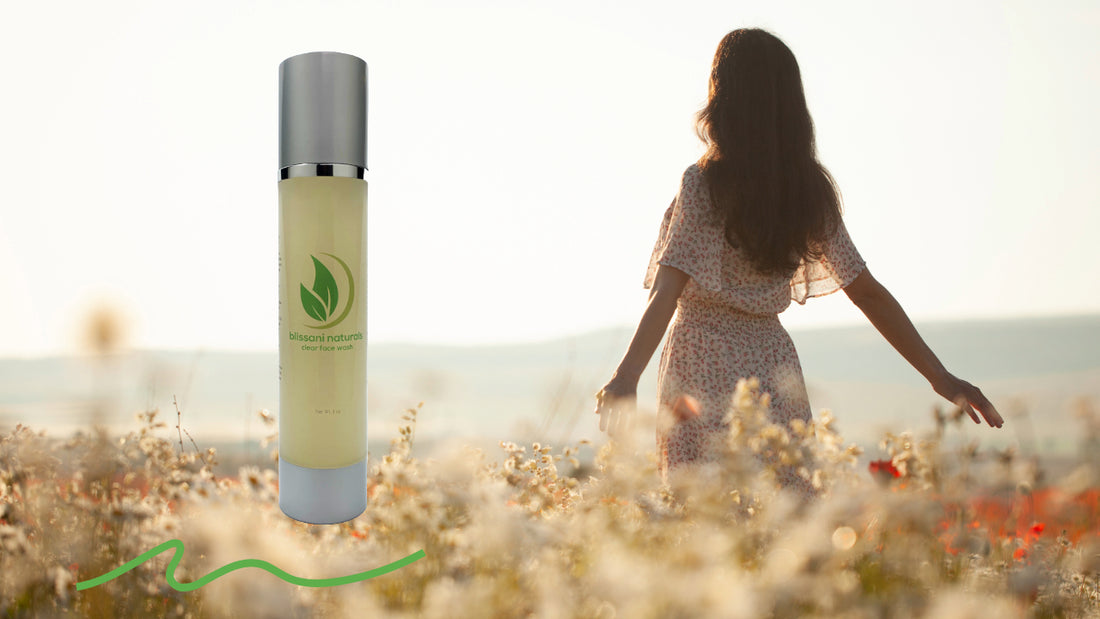
Discover Natural Anti-Aging Ingredients For Smooth Acne-Free Skin
Share
Why Natural Anti-Aging Ingredients Actually Work
There's a common assumption that "natural" skincare means weaker skincare. That's not true — it just means the active compounds come from plants, minerals, and botanicals rather than synthetic labs. Many of these ingredients have decades of clinical research behind them, and some outperform their synthetic counterparts without the irritation, hormonal disruption, or environmental damage that harsh chemicals can cause. Here's what the science actually says about the natural ingredients that matter most for aging and acne-prone skin.
Aloe Vera: More Than Just a Sunburn Remedy
Aloe vera contains over 75 active compounds, including vitamins C and E, beta-carotene, and polysaccharides. When applied topically, the polysaccharides help lock moisture into the skin by forming a breathable barrier that prevents transepidermal water loss. This is especially useful for acne-prone skin, which is often dehydrated despite producing excess oil.
Aloe also contains aloin and acemannan, compounds with documented anti-inflammatory properties. For anyone dealing with red, irritated breakouts, this means less swelling and faster recovery time — without the drying effect of benzoyl peroxide or salicylic acid at high concentrations. Studies have shown that aloe vera gel can reduce the appearance of post-acne hyperpigmentation over time, making it a solid multitasker for both active acne and lingering dark spots.
Green Tea Extract: A Serious Antioxidant With Anti-Aging Credentials
Green tea extract is rich in catechins, particularly epigallocatechin gallate (EGCG). EGCG is one of the most studied antioxidants in dermatology. Free radicals — unstable molecules generated by UV exposure, pollution, and stress — break down collagen and elastin, which are the structural proteins that keep skin firm and smooth. EGCG neutralizes free radicals before they can trigger that breakdown.
Beyond antioxidant activity, EGCG has been shown to inhibit matrix metalloproteinases (MMPs), enzymes that degrade collagen. Some research suggests topical green tea extract can reduce the depth of fine lines and improve skin elasticity with consistent use. For acne-prone skin, green tea extract also has antibacterial properties against Cutibacterium acnes (formerly known as P. acnes), the bacteria most responsible for inflamed breakouts.
Witch Hazel: Not Just a Toner Filler
Witch hazel gets dismissed sometimes as an old-fashioned, overly drying ingredient. That reputation mostly comes from alcohol-heavy formulations that use witch hazel as a base but strip the skin in the process. When used correctly — distilled from the bark and leaves of Hamamelis virginiana without high alcohol content — witch hazel is a legitimate astringent with real benefits for oily and acne-prone skin.
Its active compounds, tannins and flavonoids, tighten pores temporarily and reduce excess sebum on the skin's surface. Witch hazel also has mild antimicrobial properties and can reduce redness associated with inflammatory acne. The blissani Clear Face Toner uses witch hazel as a core ingredient precisely because it calms irritation while managing oil — without the harsh stripping effect of alcohol-based alternatives.
What Anti-Aging Really Means for Skin — and Which Ingredients Deliver
The term "anti-aging" gets applied to everything, but it really comes down to a few specific biological processes: collagen production slows after your mid-20s at roughly 1% per year, cell turnover decreases, and the skin's ability to retain moisture drops. Effective anti-aging skincare addresses at least one of these mechanisms directly.
Vitamin C (ascorbic acid) stimulates collagen synthesis and inhibits melanin production, which helps with both firmness and uneven skin tone. Retinol accelerates cell turnover and has the most robust clinical evidence of any topical anti-aging ingredient, though it requires a slow introduction to avoid irritation. Hyaluronic acid, a molecule that can hold up to 1,000 times its weight in water, plumps the skin by drawing moisture from the environment into the dermis. Niacinamide (vitamin B3) at concentrations of 4–5% has been shown in studies to reduce fine lines, improve elasticity, and even out hyperpigmentation.
The blissani Gemma Crema anti-aging serum is formulated with a combination of these kinds of active natural ingredients. It's vegan, cruelty-free, and made in the USA — designed for people who want real results without questionable additives like parabens, sulfates, or synthetic fragrances.
Can One Routine Address Both Acne and Aging at the Same Time?
Yes — and this is actually where natural skincare formulations tend to shine. Many acne treatments built around strong synthetic actives are too aggressive for mature or combination skin. Ingredients like high-percentage benzoyl peroxide or alcohol-heavy products can damage the skin barrier over time, which paradoxically accelerates visible aging.
A routine built around gentler, plant-derived ingredients can manage breakouts while also supporting collagen, hydration, and barrier function simultaneously. The key is pairing a non-stripping cleanser with a well-formulated toner, then layering a targeted spot treatment only where needed — rather than applying harsh actives all over the face. A hydrating, antioxidant-rich serum handles the anti-aging side of things without competing with or undoing the acne-focused steps.
For acne-prone skin that's also starting to show fine lines or loss of firmness, this kind of layered approach is more effective than using a single aggressive product. Think of it as covering multiple bases with ingredients that work together rather than fighting each other.
A Practical Takeaway
If you're building or refining a natural skincare routine, start with the ingredients that have the most evidence behind them: aloe vera for hydration and inflammation, green tea extract for antioxidant protection, witch hazel for pore management, and a serum with vitamin C, hyaluronic acid, or niacinamide for daily anti-aging support. Look at ingredient lists, not marketing language. A product that lists witch hazel or EGCG high on the label is giving you a meaningful dose — one that lists it near the bottom probably isn't. Keep the routine consistent, give new products at least four to six weeks before judging results, and prioritize SPF during the day, since UV exposure is the single biggest driver of premature skin aging.
Frequently Asked Questions
Common questions about this topic
If aloe vera is so effective for acne, why do so many acne-prone skincare routines skip it?
Many people assume aloe is only for sunburns, so they never consider it for regular acne treatment. Additionally, some commercial aloe products are heavily diluted or filled with additives that reduce the potency of those 75+ active compounds mentioned in the article. Using pure aloe vera or high-concentration formulations makes a significant difference in seeing anti-inflammatory and hydrating results.
Can I use natural anti-aging ingredients like aloe vera if I'm actively breaking out, or should I wait until my skin clears?
You can and should use them while actively breaking out — in fact, that's when they're most beneficial. Aloe's anti-inflammatory properties help reduce swelling and redness during active breakouts, while its hydrating polysaccharides prevent the dehydration that often triggers excess oil production and more acne.
Does the article explain why natural ingredients don't cause the hormonal disruption that harsh chemicals do?
The article mentions that natural ingredients avoid hormonal disruption compared to synthetic chemicals, but doesn't go into the specific mechanisms. Generally, plant-based compounds work with your skin's natural biology rather than disrupting endocrine function, though the full explanation of how different natural ingredients achieve this would require additional research beyond this excerpt.