
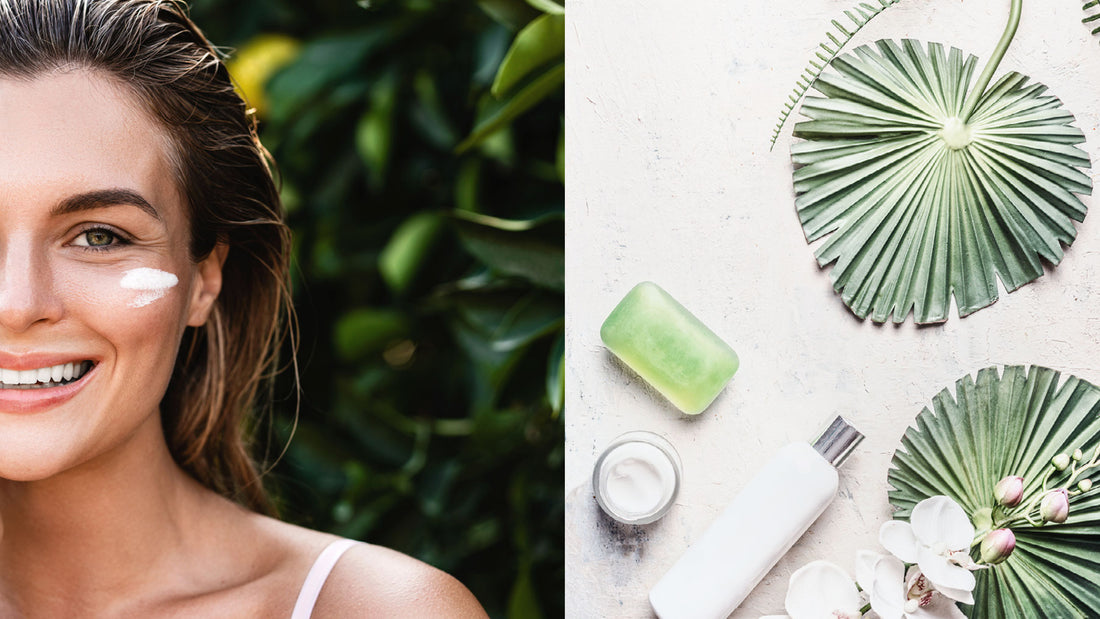
Natural Acne Spot Treatments That Really Work
Share
What Actually Causes a Pimple — and Why It Matters for Treatment
Acne forms when a hair follicle gets blocked by a mix of sebum (your skin's natural oil) and dead skin cells. That clogged pore creates an oxygen-poor environment where Cutibacterium acnes bacteria thrive, triggering inflammation, redness, and the raised bump you're trying to get rid of. Spot treatments work by targeting one or more of those factors — bacteria, excess oil, or inflammation — directly at the source rather than treating the whole face.
Understanding that mechanism matters because it tells you what to look for in a spot treatment ingredient list. Not everything marketed as "natural" actually addresses those root causes. A few plant-derived compounds, though, have solid research behind them.
Natural Ingredients With Real Evidence Behind Them
Tea Tree Oil (Melaleuca alternifolia): This is probably the most studied natural acne ingredient. Its active compounds — primarily terpinen-4-ol — disrupt bacterial cell membranes, which effectively kills C. acnes. A well-cited clinical study found that a 5% tea tree oil gel performed comparably to 5% benzoyl peroxide for mild-to-moderate acne, with fewer side effects like dryness and peeling. On its own, tea tree oil is potent and should always be diluted before applying to skin — typically 1–2 drops in a carrier oil like jojoba.
Salicylic Acid (from Willow Bark): Technically a beta-hydroxy acid, salicylic acid is oil-soluble, which means it can penetrate into a pore rather than just sitting on the surface. It breaks down the bonds between dead skin cells, clears the blockage, and has mild anti-inflammatory properties. Willow bark extract is the natural source, though synthetic versions are chemically identical. Over-the-counter concentrations of 0.5–2% are effective for most people.
Witch Hazel: Witch hazel is a botanical astringent derived from Hamamelis virginiana bark and leaves. Its tannins help tighten pores and reduce surface oil, making it useful for oily or acne-prone skin. It also has mild anti-inflammatory properties. Look for alcohol-free versions — witch hazel with high alcohol content can strip the skin barrier and make breakouts worse over time.
Niacinamide (Vitamin B3): Not strictly a "spot treatment" ingredient, but worth knowing about. At concentrations of 4–5%, niacinamide reduces sebum production, calms inflammation, and helps fade post-acne hyperpigmentation. It's exceptionally well-tolerated, even on sensitive skin.
What to Look for in a Natural Spot Treatment Product
A good natural spot treatment should combine an antibacterial agent with something that controls oil or inflammation — ideally without a long list of synthetic fillers or irritating alcohols. The format matters too. Gels and serums absorb quickly and don't leave residue that clogs the very pore you're trying to clear. Thick, occlusive formulas can trap bacteria if applied to an active breakout.
If you want a ready-made option, the blissani Clear Spot Solution is worth looking at. It's vegan, cruelty-free, and made in the US with natural active ingredients — no parabens, no sulfates. At $16, it's straightforward and affordable, and it fits neatly into a broader skincare routine without competing with other actives you might already be using.
How to Apply a Spot Treatment Correctly
Application technique affects how well any spot treatment works, natural or otherwise. Here's a simple sequence that gets results:
Cleanse first. A gentle, non-stripping face wash removes surface oil and debris so the active ingredients in your spot treatment can actually reach the pore. Applying a spot treatment over sunscreen, makeup, or built-up oil significantly reduces its effectiveness.
Apply to dry skin. Pat your face dry after cleansing and wait a minute or two. Wet skin dilutes the active ingredients and can cause uneven absorption.
Use a small, precise amount. Spot treatments aren't meant to be spread across the whole face. A small dot — just enough to cover the blemish — is all you need. Piling on more product doesn't speed up healing and can cause irritation around the surrounding skin.
Don't layer too many actives at once. If you're using a toner with salicylic acid, for example, don't stack a separate spot treatment with the same ingredient on top. Redundancy leads to irritation, not faster results.
Common Mistakes That Make Breakouts Worse
Picking or squeezing a blemish pushes bacteria deeper into the follicle and almost guarantees a longer healing time and a higher chance of scarring. It feels satisfying in the moment, but it's genuinely counterproductive.
Switching products too frequently is another problem. Most spot treatments need consistent use over at least two to four weeks before you can fairly judge whether they're working. Jumping between products every few days makes it impossible to know what's actually helping.
Over-cleansing is also common with acne-prone skin. Washing your face three or four times a day strips the skin barrier, which triggers compensatory oil production — the opposite of what you want. Twice daily is enough for most people.
Building a Simple Routine Around Spot Treatments
Spot treatments work best as part of a consistent routine, not as a standalone fix. A basic acne-focused regimen doesn't need to be complicated: a gentle cleanser, a toner to balance skin pH and address lingering surface bacteria, and then a targeted spot treatment applied only where you need it. Finish with a lightweight, non-comedogenic moisturizer — skipping moisturizer because your skin is oily is a mistake that leaves the skin barrier compromised and more reactive over time.
For most people dealing with occasional breakouts, that four-step routine covers everything. Save the more aggressive treatments — prescription retinoids, oral antibiotics — for persistent or cystic acne that doesn't respond to a consistent topical approach.
The short version: choose a spot treatment with proven actives like tea tree oil, salicylic acid, or witch hazel, apply it to clean dry skin, and give it real time to work. Consistency and patience outperform any single miracle ingredient.
Frequently Asked Questions
Common questions about this topic
If tea tree oil works as well as benzoyl peroxide, why would anyone still use benzoyl peroxide?
While tea tree oil performed comparably to benzoyl peroxide in the study mentioned, benzoyl peroxide may work faster for some people and has decades more clinical research behind it across different acne severities. The choice depends on your skin sensitivity — tea tree oil had fewer side effects in the study, making it better for irritation-prone skin, but benzoyl peroxide might be more reliable for severe acne.
Can I just apply pure tea tree oil directly to my pimples, or do I need to buy a special product?
Pure, undiluted tea tree oil can be too irritating and is not recommended for direct application to skin. The clinical study used a 5% tea tree oil gel formulation, which is a much safer concentration — so look for properly formulated spot treatments rather than using essential oil straight from the bottle.
You mentioned spot treatments target bacteria, oil, or inflammation — does that mean different natural ingredients work better for different types of pimples?
Yes, exactly. A pimple caused primarily by excess oil might respond better to an ingredient that reduces sebum, while an inflamed cystic pimple would benefit more from an anti-inflammatory ingredient. Understanding what's driving your specific breakout helps you choose the most effective natural spot treatment for your situation.