
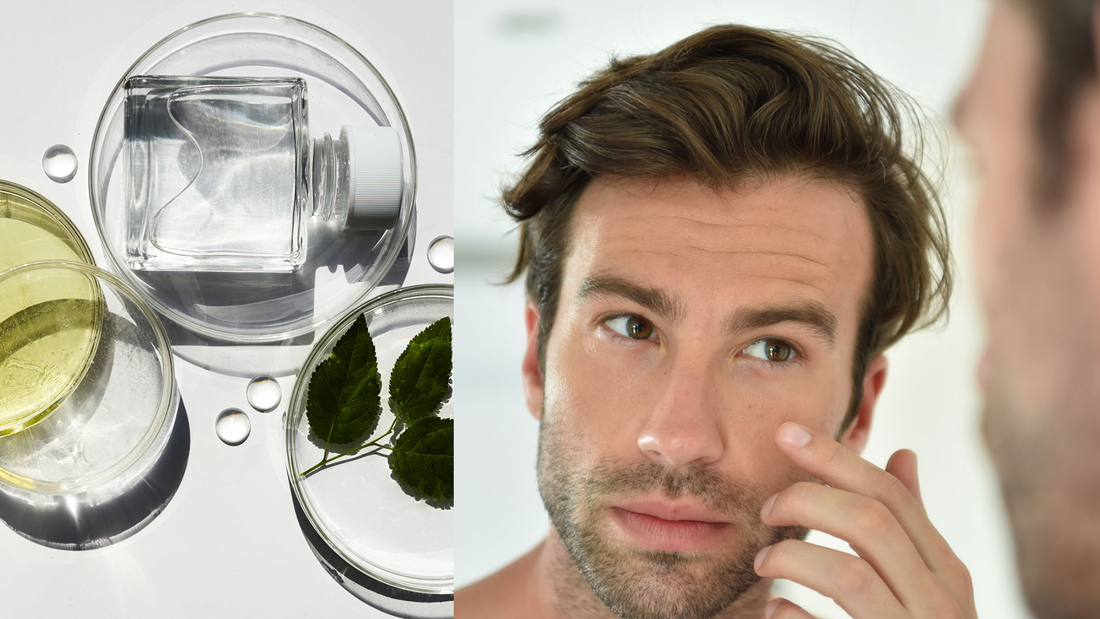
The Best Natural Acne Spot Treatments: How To Tackle Acne Effectively
Share
What Actually Causes Acne (And Why It Matters for Treatment)
Acne forms when a combination of excess sebum, dead skin cells, and bacteria clog your hair follicles. The bacteria most responsible is Cutibacterium acnes (formerly known as Propionibacterium acnes), which thrives in low-oxygen environments like blocked pores. When your immune system responds to this bacteria, you get the redness, swelling, and inflammation that shows up as a pimple.
Hormonal fluctuations — during puberty, menstruation, or periods of high stress — trigger increased sebum production, which is why breakouts tend to cluster around specific life events. Diet can play a role too: high-glycemic foods and dairy have been linked in multiple studies to increased acne severity. Knowing the root cause matters because it shapes which treatments actually work — and which ones just dry out your skin without fixing anything.
What Makes a Spot Treatment "Natural" — and Does It Actually Work?
A natural acne spot treatment uses plant-derived or naturally occurring active ingredients rather than synthetic compounds. That said, "natural" doesn't mean weak. Several natural ingredients have solid clinical backing for fighting acne at the source.
Tea tree oil (derived from Melaleuca alternifolia) has been shown in studies to reduce acne lesions by up to 43% with consistent use. It works by disrupting the cell membranes of acne-causing bacteria. Salicylic acid, derived from willow bark, is a beta-hydroxy acid (BHA) that penetrates oil-filled pores and exfoliates from the inside out — making it particularly effective for blackheads and whiteheads. Witch hazel acts as an astringent, tightening pores and reducing surface inflammation. Niacinamide (vitamin B3) regulates sebum production and has anti-inflammatory properties that calm existing breakouts without stripping the skin.
These aren't filler ingredients — each has a specific mechanism of action, which is why they show up repeatedly in effective formulas.
How to Use a Spot Treatment Correctly
Most people apply spot treatments wrong — either too much product or at the wrong point in their routine. Here's how to get the most out of them:
Apply your spot treatment after cleansing and toning but before moisturizer. Clean skin allows active ingredients to penetrate without competing with dirt, oil, or other products sitting on the surface. Use a small, targeted amount — about the size of a pinpoint — directly on the blemish. Applying more doesn't speed up healing; it usually just irritates the surrounding skin.
For best results, use the treatment consistently rather than sporadically. Many natural actives like tea tree oil and niacinamide need at least two to four weeks of regular use before you see meaningful reduction in breakout frequency. Spot treatments work best as part of a routine, not as a one-time fix.
If you're looking for a targeted option that uses clean, plant-based ingredients, the blissani Clear Spot Solution is formulated without harsh synthetics and is vegan, cruelty-free, and made in the US — worth keeping in your medicine cabinet for when a breakout hits.
Natural Ingredients to Look For (and One to Avoid)
When shopping for a natural spot treatment, these ingredients are worth seeking out:
Tea tree oil: Antibacterial and anti-inflammatory. Look for concentrations between 5% and 15% — effective without being overly irritating. Salicylic acid (willow bark extract): Exfoliates inside the pore, reducing clogs. Zinc: Reduces oil production and has documented antibacterial effects. Aloe vera: Soothes inflammation and speeds surface healing — best used alongside actives rather than alone. Niacinamide: Regulates sebum, fades post-acne marks, and strengthens the skin barrier simultaneously.
One ingredient to be cautious with: coconut oil. Despite its popularity in natural skincare circles, it rates a 4 out of 5 on the comedogenic scale, meaning it's likely to clog pores for many people — the opposite of what you want in an acne product.
Building a Simple Routine Around Spot Treatments
A spot treatment works better when the rest of your routine supports it. You don't need ten products — you need the right ones doing their jobs.
Start with a gentle, sulfate-free face wash that removes excess oil and debris without stripping your skin's moisture barrier. Stripping your skin actually backfires: it signals your sebaceous glands to produce more oil to compensate. Follow with a toner containing witch hazel or mild exfoliating acids to prep the skin and minimize pore appearance. Then apply your spot treatment. Finish with a lightweight, non-comedogenic moisturizer — yes, even if you have oily skin. Dehydrated skin overproduces sebum, which feeds the acne cycle.
Consistency over intensity is the principle that separates people who see results from people who don't. A simple four-step routine used daily will outperform an aggressive regimen used sporadically every time.
Realistic Expectations: How Fast Do Natural Treatments Work?
Natural treatments generally work more gradually than prescription options like benzoyl peroxide or retinoids. A single existing pimple may start to shrink within 24 to 48 hours of consistent spot treatment application. Broader improvements in breakout frequency typically take four to six weeks of regular use — which aligns with the skin's natural cell turnover cycle of roughly 28 days.
If you're dealing with severe cystic acne, a dermatologist visit is a smart move. Natural topical treatments are well-suited for mild to moderate breakouts, not deep, painful nodules that sit below the skin's surface.
The short version: pick a spot treatment with proven active ingredients, apply it correctly, and pair it with a consistent cleanse-tone-moisturize routine. Give it six weeks before you judge results. That's not a long time to commit for noticeably clearer skin.
Frequently Asked Questions
Common questions about this topic
If Cutibacterium acnes thrives in low-oxygen environments, can I use spot treatments that create an oxygen-rich barrier on my skin?
While oxygen-rich products may theoretically help, most effective acne spot treatments work by reducing inflammation, killing bacteria, or drying out the pimple—not by flooding the area with oxygen. The article emphasizes that natural ingredients are clinically proven to fight acne through multiple mechanisms, so focus on treatments with established anti-bacterial or anti-inflammatory properties rather than oxygen-based solutions.
Should I avoid dairy and high-glycemic foods completely if I'm using natural spot treatments, or will the topical treatment work regardless of my diet?
Natural spot treatments address acne at the surface level, but since the article mentions that diet is linked to increased acne severity, combining topical treatments with dietary changes will give you better results. Relying solely on spot treatments while consuming triggering foods means you're fighting acne on only one front—addressing root causes like diet amplifies your treatment's effectiveness.
If my breakouts are hormonal, will a natural spot treatment actually work, or do I need to address the hormonal fluctuation first?
Natural spot treatments can reduce the appearance and inflammation of hormonal breakouts once they form, but they won't prevent new breakouts from occurring if hormonal fluctuations continue triggering excess sebum production. For hormonal acne specifically, combining spot treatments with other strategies (like lifestyle changes or consulting a dermatologist) will be more effective than spot treatment alone.