
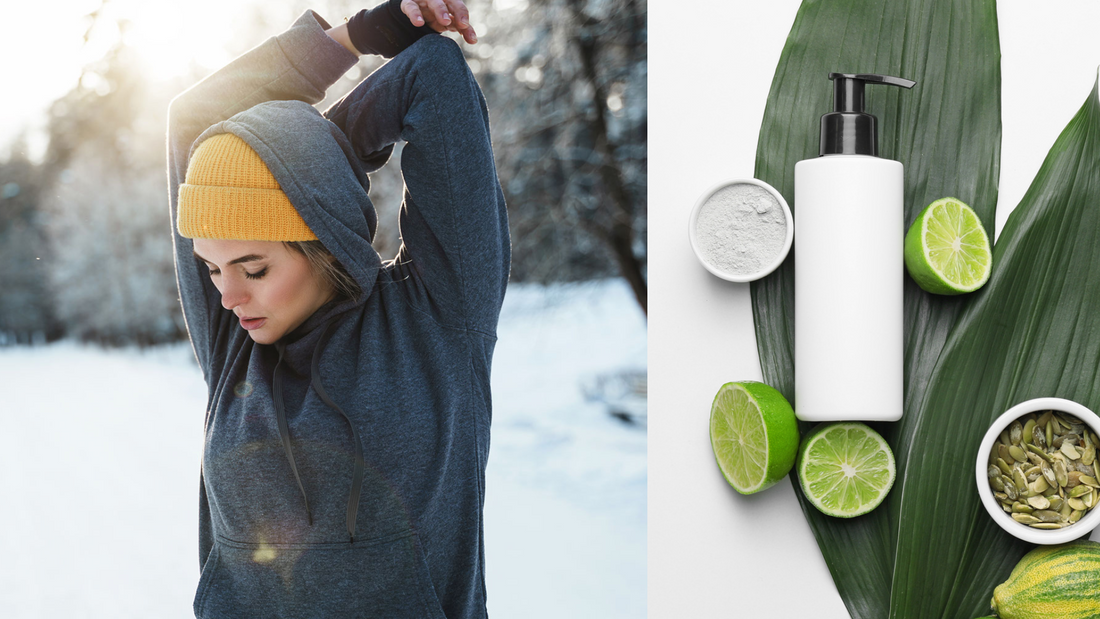
Top Natural Anti Aging Ingredients To Fight Winter Wrinkles
Share
Why Winter Is Especially Hard on Aging Skin
Cold temperatures cause blood vessels near the skin's surface to constrict, reducing the delivery of oxygen and nutrients to skin cells. At the same time, low-humidity air — both outdoors and inside heated buildings — pulls moisture out of the skin's outer layer, the stratum corneum. The result is a compromised skin barrier that loses water faster than it can retain it. When that barrier breaks down, fine lines look deeper, skin feels tight, and the inflammatory response that accelerates collagen breakdown kicks into higher gear. Winter doesn't create wrinkles out of nowhere, but it absolutely makes existing ones more visible and speeds up the conditions that form new ones.
Natural Oils That Actually Do Something for Wrinkles
Not all oils are equal, and slathering on coconut oil is not the answer for most people with aging concerns. Here's what the research actually supports:
Rosehip seed oil contains naturally occurring trans-retinoic acid (a form of vitamin A) along with linoleic and linolenic acids. Studies have shown it can reduce the appearance of fine lines and improve skin texture over 8–12 weeks of consistent use. It absorbs quickly and doesn't leave a heavy residue.
Squalane (typically derived from sugarcane or olive in vegan formulas) is structurally similar to your skin's own sebum. It's an excellent emollient that seals in moisture without clogging pores, making it useful for both dry and combination skin types during winter months.
Jojoba oil is technically a liquid wax ester, which means it mimics the skin's natural oils more closely than most plant oils. It's non-comedogenic and rich in vitamin E, which helps neutralize free radicals — one of the main drivers of collagen degradation.
Plant Extracts With Real Anti-Aging Mechanisms
Plant extracts can sound like marketing fluff, but some have legitimate clinical backing. The key is knowing which ones and why they work.
Green tea extract (EGCG) is one of the most studied antioxidants in skincare. Epigallocatechin gallate inhibits matrix metalloproteinases (MMPs) — enzymes that break down collagen and elastin. Topical application has been shown to reduce UV-induced skin damage and improve skin elasticity.
Vitamin C (L-ascorbic acid) at concentrations of 10–20% is a proven collagen synthesis booster. It also inhibits melanin production, which helps fade the kind of uneven pigmentation that makes skin look older. The catch: it oxidizes quickly, so formulation and packaging matter a lot.
Aloe vera contains aloesin and acemannan, compounds shown to stimulate fibroblast activity — fibroblasts are the cells responsible for producing collagen. It also has a solid track record as an anti-inflammatory, which is particularly useful when winter wind leaves skin red and reactive.
Niacinamide (vitamin B3) is technically a plant-derived compound (found in yeast and many vegetables) and one of the more versatile anti-aging ingredients available. At 4–5% concentrations, it visibly reduces pore size, improves skin texture, and strengthens the epidermal barrier — exactly what winter-damaged skin needs.
What to Look for in an Anti-Aging Serum for Winter
A good winter anti-aging serum needs to do two things at once: deliver active ingredients that address collagen loss and oxidative damage, and support the skin barrier so those ingredients can actually penetrate and work. That means looking for formulas that combine antioxidants with hydrating agents like hyaluronic acid or glycerin.
If you want a serum built around natural ingredients without synthetic fillers, the blissani Gemma Crema anti-aging serum is worth a look. It's vegan, cruelty-free, and made in the US, with a formula focused on plant-based actives that support skin hydration and reduce the visible signs of aging. At $29, it's a straightforward option that doesn't require sorting through a 30-ingredient label wondering what half the chemicals are.
When evaluating any serum, pay attention to ingredient order on the label — ingredients are listed from highest to lowest concentration. If the actives you care about (vitamin C, niacinamide, plant extracts) are buried near the bottom, there likely isn't enough of them to do much.
Building a Winter Skincare Routine That Holds Up
The best ingredients won't perform if the rest of your routine is working against them. A few practical adjustments make a real difference in winter:
Switch to a cream or oil-based cleanser. Foaming cleansers strip the skin's natural lipids, which is the last thing you want when cold air is already drying you out. A gentle, low-pH cleanser keeps the skin barrier intact.
Apply serums to damp skin. Hyaluronic acid and other humectants draw moisture from the environment into the skin — but if the air is very dry, they'll pull from deeper skin layers instead. Applying to slightly damp skin gives them something to work with.
Don't skip SPF. UV rays don't disappear in winter, and snow actually reflects up to 80% of UV radiation back at your face. Photoaging is year-round, and collagen breakdown from UV exposure doesn't take a seasonal break.
Use a humidifier indoors. Heated indoor air typically sits at 10–20% humidity — far below the 40–60% range your skin prefers. A humidifier in your bedroom can meaningfully reduce transepidermal water loss while you sleep.
The Short Version
Winter wrinkles are mostly a moisture and barrier problem compounded by oxidative stress. The ingredients that address this most effectively — rosehip oil, squalane, green tea extract, vitamin C, niacinamide, and aloe vera — are all well-documented and widely available in natural formulations. Focus on strengthening your skin barrier first, layer in antioxidant actives second, and keep your routine consistent. A two-week experiment tells you almost nothing; give any new regimen at least six to eight weeks before drawing conclusions.
Frequently Asked Questions
Common questions about this topic
Why do my wrinkles look more pronounced in winter even though I don't think they've gotten worse?
Cold temperatures constrict blood vessels near your skin's surface, reducing oxygen and nutrient delivery to skin cells. At the same time, low humidity pulls moisture from your skin's outer layer, compromising your skin barrier and making existing fine lines appear deeper and more visible.
Can I just use coconut oil instead of rosehip seed oil to save money during winter?
No—not all oils are equal when it comes to anti-aging benefits. While coconut oil is moisturizing, rosehip seed oil contains naturally occurring trans-retinoic acid (a form of vitamin A) and essential fatty acids that research has shown can actually reduce fine lines and improve skin texture over 8-12 weeks.
How long does it take to see results from using natural anti-aging oils in winter?
Studies on rosehip seed oil and other natural anti-aging ingredients show visible improvements in fine lines and skin texture typically take 8-12 weeks of consistent use to become noticeable.