
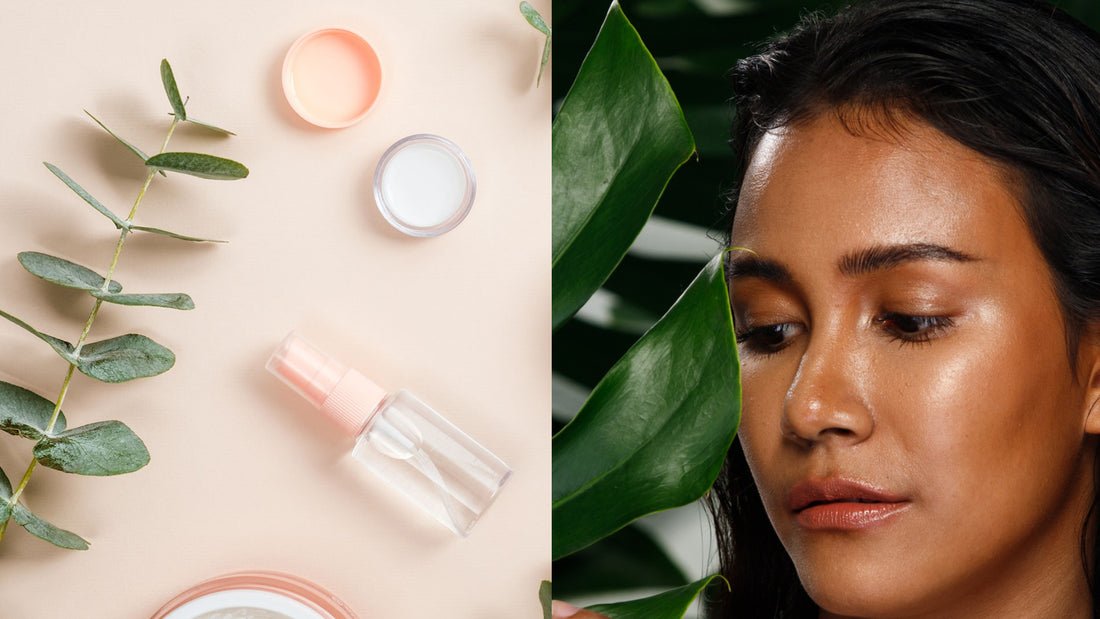
How to Tighten Skin and Reduce Wrinkles
Share
Why Skin Loses Firmness as You Age
Skin firmness depends on two structural proteins: collagen and elastin. Collagen provides the scaffolding that keeps skin plump and resilient, while elastin allows it to snap back after movement. Starting in your mid-20s, collagen production drops by roughly 1% per year. By your 40s, that cumulative loss is visible — skin starts to sag, fine lines deepen, and the overall texture changes. UV exposure, dehydration, and oxidative stress from free radicals accelerate this process significantly.
The good news is that skin is responsive tissue. With the right habits and ingredients, you can slow the breakdown of existing collagen, stimulate new production, and keep skin hydrated enough to look and feel firmer. None of this requires invasive procedures — consistent, targeted skincare does a lot of the heavy lifting.
How Hydration Directly Affects Skin Tightness
Dehydrated skin is thinner, less elastic, and far more prone to visible wrinkling. That's not just a cosmetic issue — it's structural. When skin cells lack adequate water, the extracellular matrix (the mesh of proteins surrounding your cells) becomes less flexible and more prone to creasing under repeated facial movement.
Drinking enough water matters, but topical hydration is equally important because the skin's outer layer, the stratum corneum, needs moisture from the outside too. Hyaluronic acid is the gold standard here. It's a naturally occurring glycosaminoglycan that can hold up to 1,000 times its weight in water. When applied topically, it draws moisture into the skin and keeps it there, creating a plumping effect that temporarily reduces the depth of fine lines.
Aloe vera works alongside hyaluronic acid well. It contains mucopolysaccharides that help bind moisture to skin cells, plus compounds like acemannan that support the skin's natural repair process. It's also one of the gentler hydrating ingredients available, making it suitable for sensitive or reactive skin types.
What Witch Hazel Actually Does for Skin Tone and Tightness
Witch hazel gets a lot of attention as an astringent, but its benefits go beyond pore-tightening. It's derived from the bark and leaves of Hamamelis virginiana and contains polyphenolic compounds called tannins. These tannins temporarily constrict skin tissue, which is why skin looks firmer and more toned immediately after application.
What's less discussed is witch hazel's role as a humectant. Its tannins attract and bind water molecules, creating a light barrier that slows transepidermal water loss — the process by which moisture evaporates from the skin's surface throughout the day. This makes witch hazel useful not just for oily or acne-prone skin, but for anyone trying to maintain hydration and skin tone over time.
It also has meaningful antioxidant activity, which is relevant for anti-aging. Free radical damage from UV exposure and pollution degrades collagen fibers, and antioxidant-rich ingredients help neutralize those free radicals before they cause structural damage.
The Ingredients Worth Looking for in an Anti-Aging Serum
Not all anti-aging serums are created equal. The most effective formulas combine humectants (to hydrate), antioxidants (to prevent damage), and actives that stimulate collagen production or improve cell turnover. When you're reading an ingredient label, a few names are worth knowing:
Vitamin C (L-ascorbic acid) is one of the most researched topical antioxidants. It inhibits melanin production to reduce dark spots and plays a direct role in collagen synthesis — it's a required cofactor for the enzymes that stabilize collagen fibers. Studies suggest concentrations between 10–20% are effective, though even lower concentrations provide antioxidant protection.
Retinol (a vitamin A derivative) increases cell turnover and stimulates fibroblasts, the cells responsible for producing collagen and elastin. It's one of the few topical ingredients with clinical evidence for actually reducing wrinkle depth over time, not just temporarily filling them.
Peptides are short chains of amino acids that signal the skin to produce more collagen. They're gentler than retinol and work well for people with sensitive skin who can't tolerate stronger actives.
If you're looking for a serum that combines effective anti-aging actives with clean, vegan ingredients, the blissani Gemma Crema anti-aging serum is formulated with skin-firming botanicals and made without animal-derived ingredients or synthetic fillers — a practical option for anyone building a cleaner skincare routine.
Lifestyle Factors That Accelerate Skin Aging (and How to Counter Them)
Skincare products do a lot, but they're working against you if daily habits are actively breaking down collagen. A few of the biggest offenders:
UV exposure is the single largest external cause of premature skin aging. UVA rays penetrate deep into the dermis and degrade collagen and elastin directly. Daily SPF — even on cloudy days — is non-negotiable if you're serious about maintaining skin firmness.
Smoking reduces blood flow to the skin and depletes vitamin C levels, both of which are critical for collagen production. The repetitive muscle movements from smoking also create deep lines around the mouth over time.
Poor sleep limits the skin's repair window. Most cellular regeneration happens during deep sleep, including collagen production. Consistently getting fewer than seven hours noticeably affects skin texture and elasticity over time.
High sugar intake triggers a process called glycation, where sugar molecules attach to collagen fibers and make them stiff and brittle — directly reducing skin elasticity.
Building a Simple Routine That Actually Works
You don't need ten products. A focused routine with the right ingredients at the right steps is more effective than a complicated one you won't stick to.
Morning: a gentle cleanser, a vitamin C serum or antioxidant-rich toner, moisturizer, and SPF. Evening: cleanser, a retinol or peptide serum, and a thicker moisturizer to support overnight repair. If you're using an active like retinol, introduce it slowly — two or three nights per week — to let your skin adjust without irritation.
Consistency matters more than any single product. Collagen remodeling is a slow process. Most clinical studies on topical anti-aging ingredients measure results at 12 weeks minimum. Give your routine time to work before swapping things out.
Start with what you can actually maintain: daily SPF, a solid hydrating serum, and one proven active. Build from there.
Frequently Asked Questions
Common questions about this topic
If collagen production drops by 1% per year starting in my mid-20s, is it too late to see results once I'm in my 40s?
No, it's not too late. While the cumulative loss becomes visible by your 40s, skin is responsive tissue that can still be improved with the right habits and ingredients. You can slow collagen breakdown, stimulate new production, and see visible firmness improvements without invasive procedures.
How much water do I actually need to drink daily to keep my skin hydrated and firm?
The article emphasizes that dehydrated skin is structurally thinner and more prone to wrinkles, but the specific daily water intake recommendation isn't detailed in this excerpt. General guidance suggests around 8 glasses daily, though individual needs vary based on climate, activity level, and skin type.
Besides drinking water, what skincare ingredients should I look for to stimulate collagen production and tighten skin?
While the article mentions that targeted skincare with the right ingredients can stimulate collagen production, the specific ingredient recommendations aren't covered in this excerpt. Common clinically-proven options include retinoids, vitamin C, peptides, and niacinamide, which work to boost collagen synthesis and improve skin firmness.